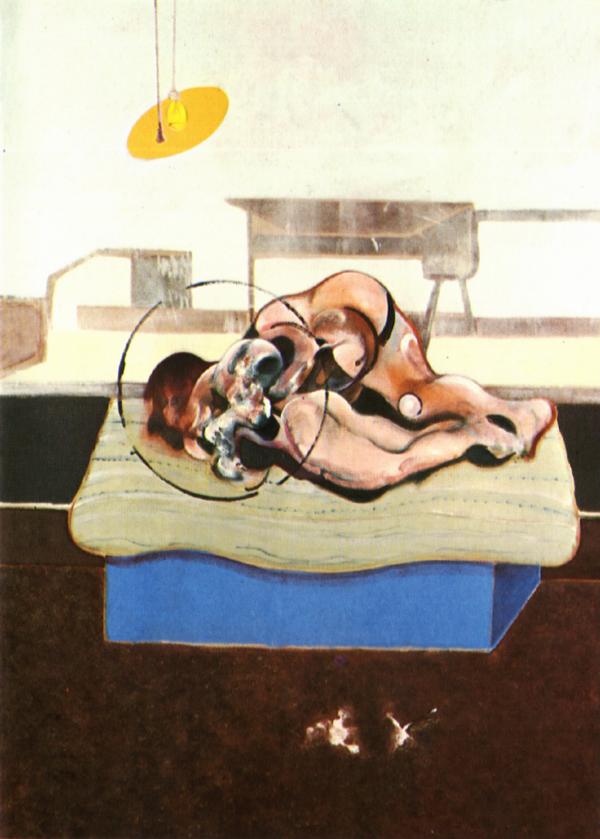
A Study in Discomfort: Examining Bacon’s ‘Three Studies of Figures on Beds’
Francis Bacon's 'Three Studies of Figures on Beds,' created in 1972, stands as a cornerstone of his oeuvre and embodies the artist’s signature preoccupation with psychological torment and visceral physicality. This monumental canvas—its dimensions currently unknown—immediately confronts the viewer with an unsettling tableau: three nude figures sprawled across beds, their bodies contorted into grotesque postures that defy anatomical accuracy. The deliberate distortion isn't merely stylistic; it serves as a conduit for conveying profound emotional distress – a reflection of Bacon’s own anxieties and fears about mortality.
- Style & Technique: Bacon’s style is undeniably Expressionist, prioritizing subjective experience over objective representation. He eschewed traditional painting methods, favoring encaustic—a technique combining beeswax resin with pigments—which lends the canvases a remarkable textural depth and luminosity. The application of paint is deliberately rough and impulsive, capturing the immediacy of feeling rather than striving for polished perfection.
- Historical Context: Produced in the aftermath of World War II, ‘Three Studies’ speaks to the pervasive anxieties of the era concerning existential dread and the fragility of human existence. Bacon's work aligns with broader artistic currents exploring themes of trauma and psychological disintegration—a reaction against the optimism of preceding decades.
- Symbolism & Imagery: The beds themselves are laden with symbolic significance, representing vulnerability and confinement – mirroring the artist’s own sense of displacement and isolation. The figures' distorted bodies symbolize the breakdown of rational thought and control, highlighting the inescapable influence of primal instincts. The umbrella, positioned prominently in the composition, adds another layer of complexity, potentially symbolizing protection against an overwhelming force or perhaps representing a futile attempt to shield oneself from despair.
Emotional Impact: Bacon’s intention wasn't to depict beauty but rather to provoke discomfort and elicit contemplation. The painting compels the viewer to confront uncomfortable truths about human suffering and decay—a visceral experience designed to unsettle and disturb. It captures a moment of profound psychological vulnerability, mirroring the artist’s own internal struggles.
Further Exploration: For those interested in experiencing Bacon's artistic vision firsthand, ArtsDot offers museum-quality reproductions of ‘Three Studies of Figures on Beds,’ allowing you to immerse yourself in the haunting atmosphere and textural richness of this iconic masterpiece. Explore the collection at
Francis Bacon's Masterpieces: Exploring 25 Iconic Paintings to discover more about Bacon’s artistic legacy and find the perfect piece for your home.