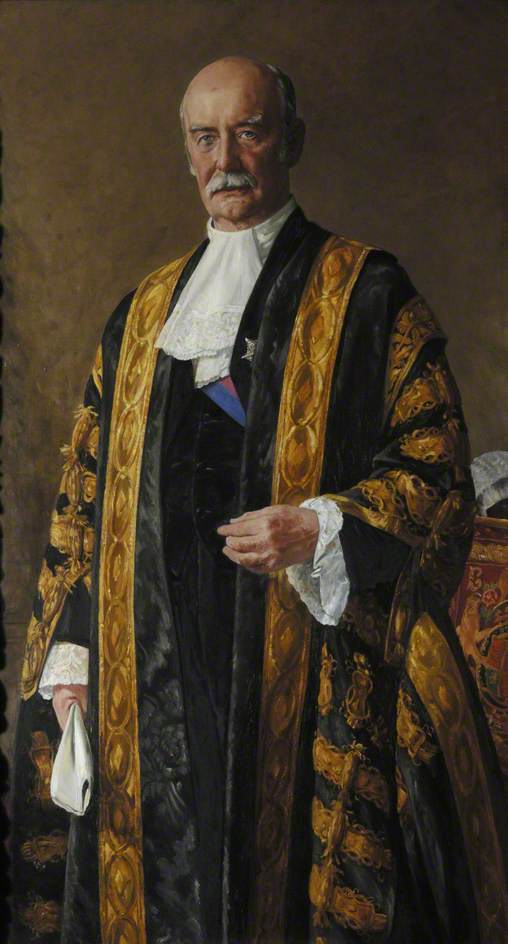
Admire Francis Dodd’s formal portrait of Rt Hon. George Viscount Cave. Oil on canvas captures a dignified statesman in elaborate robes – a stunning 19th-century masterpiece.
Explore the portraits & landscapes of Francis Dodd RA, a British artist known for WWI war art, Tate trustee, & evocative watercolor paintings from 1874-1949.
Discover St John's College, Oxford: a historic sanctuary of learning & art! Explore stunning architecture, from Gothic Revival to medieval craftsmanship, and masterpieces by Nicholson, Scholar & Heliker. Plan your visit today!
A Portrait of Dignity: Examining Francis Dodd’s Rt Hon. George Viscount Cave
This striking oil painting by Francis Dodd offers a glimpse into the grandeur of Victorian Britain, capturing the solemn presence of Rt Hon. George Viscount Cave – a figure embodying authority and tradition. Executed with meticulous realism, Dodd's work transcends mere representation; it strives to convey not just what Cave looked like but also the weight of his position within society.
Style and Technique: Academic Realism Embodied
Dodd’s approach aligns squarely with academic realism, a dominant artistic movement during his time (1874-1949). Unlike Impressionists who prioritized capturing fleeting moments of light and color, Dodd focused on achieving precise detail and accurately portraying textures. The artist skillfully employs oil paint on canvas, utilizing smooth brushstrokes to build up layers of pigment – a technique that lends depth and luminosity to the portrait. Careful shading creates dramatic contrasts between light and shadow, highlighting Cave’s facial features and emphasizing the folds of his opulent robes. Lines are primarily used to define contours, ensuring sharpness in details like the embroidered embellishments on the robe and the subtle wrinkles of Cave's skin.
Historical Context: Victorian Nobility and Symbolic Representation
Painted during the reign of Queen Victoria (1837-1901), this portrait reflects the values and aspirations of the British aristocracy. The robes themselves serve as potent symbols – representing power, prestige, and adherence to established ceremonial protocols. They speak volumes about Cave’s status as a Viscount and his involvement in governmental affairs. Dodd's decision to depict Cave against a dark, indistinct background underscores the importance of the subject himself, directing the viewer’s gaze towards his dignified countenance.
Emotional Impact: Gravitas and Quiet Reflection
Beyond its technical prowess, the painting possesses an undeniable emotional resonance. Dodd succeeds in conveying gravitas – a sense of seriousness and solemnity – capturing Cave's inner composure amidst the formality of his attire. The artist’s meticulous attention to detail suggests not merely outward appearance but also an attempt to portray the character of the sitter; Cave appears thoughtful, reflecting on his responsibilities and upholding the legacy of his noble lineage.
Further Exploration: Similar Artistic Expressions
Inspired by artists like Edward Francis Finden and George Goodin Barrett who excelled in Victorian engravings, Dodd’s work shares a commitment to capturing historical figures with precision and elegance. Similarly, George Francis Joseph's portraits demonstrate a refined aesthetic sensibility focused on portraying individuals within their social context. Examining these kindred artistic endeavors offers valuable insight into the broader trends of Victorian art and its enduring influence on contemporary visual culture.