Almanzor: A Baroque Masterpiece Reflecting Faith and Majesty
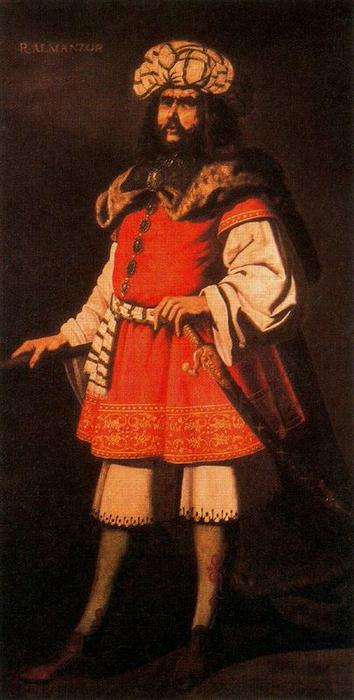
Francisco de Zurbarán’s “Almanzor” stands as an emblem of the Spanish Baroque, capturing not merely a portrait but a profound distillation of religious devotion and royal authority. Painted circa 1630-1632, this monumental oil on canvas resides within the Museo Nacional Prado in Madrid, Spain—a testament to its enduring artistic significance.
- Subject Matter: The painting depicts Almanzor ibn Tarif (c. 987 – 1040), a Berber emir who ruled Córdoba during the Umayyad Caliphate’s twilight years. Zurbarán skillfully portrays Almanzor seated in austere robes, illuminated by a single candle—a deliberate choice that underscores his spiritual contemplation amidst worldly power.
- Style: Zurbarán's signature style is characterized by tenebrism – dramatic chiaroscuro achieved through stark contrasts between light and dark. This technique wasn’t merely aesthetic; it served to heighten the emotional impact of the scene, conveying solemnity and reverence. It aligns perfectly with the Baroque preoccupation for portraying religious ecstasy and moral seriousness.
- Technique: Zurbarán employed meticulous detail and painstaking layering of pigments—a hallmark of his craft. He utilized glazing techniques to create luminous surfaces that seem to emanate an inner radiance, capturing the texture of fabric and skin with remarkable accuracy. The artist’s mastery is evident in every brushstroke.
- Historical Context: Córdoba under Almanzor represented a precarious balance between Islamic scholarship and military strength—a period marked by intellectual curiosity alongside defensive preparedness. Zurbarán's depiction reflects the broader artistic climate of Spain during Philip IV’s reign, when religious art flourished as a response to Protestant Reformation.
- Symbolism: The candle symbolizes divine illumination and spiritual enlightenment – guiding Almanzor’s gaze inward toward contemplation. The posture of Almanzor embodies humility and piety—a deliberate antithesis to the grandeur of his royal status. Zurbarán's artistic intention was to elevate Almanzor beyond mere political figure, transforming him into a symbol of faith and moral virtue.
“Almanzor” transcends its historical subject matter, becoming an enduring meditation on spirituality and majesty—a masterpiece that continues to inspire awe and admiration centuries after its creation. Its luminous stillness invites viewers to contemplate the profound beauty inherent in simplicity and devotion.