The Serene Contemplation of a Desert Saint
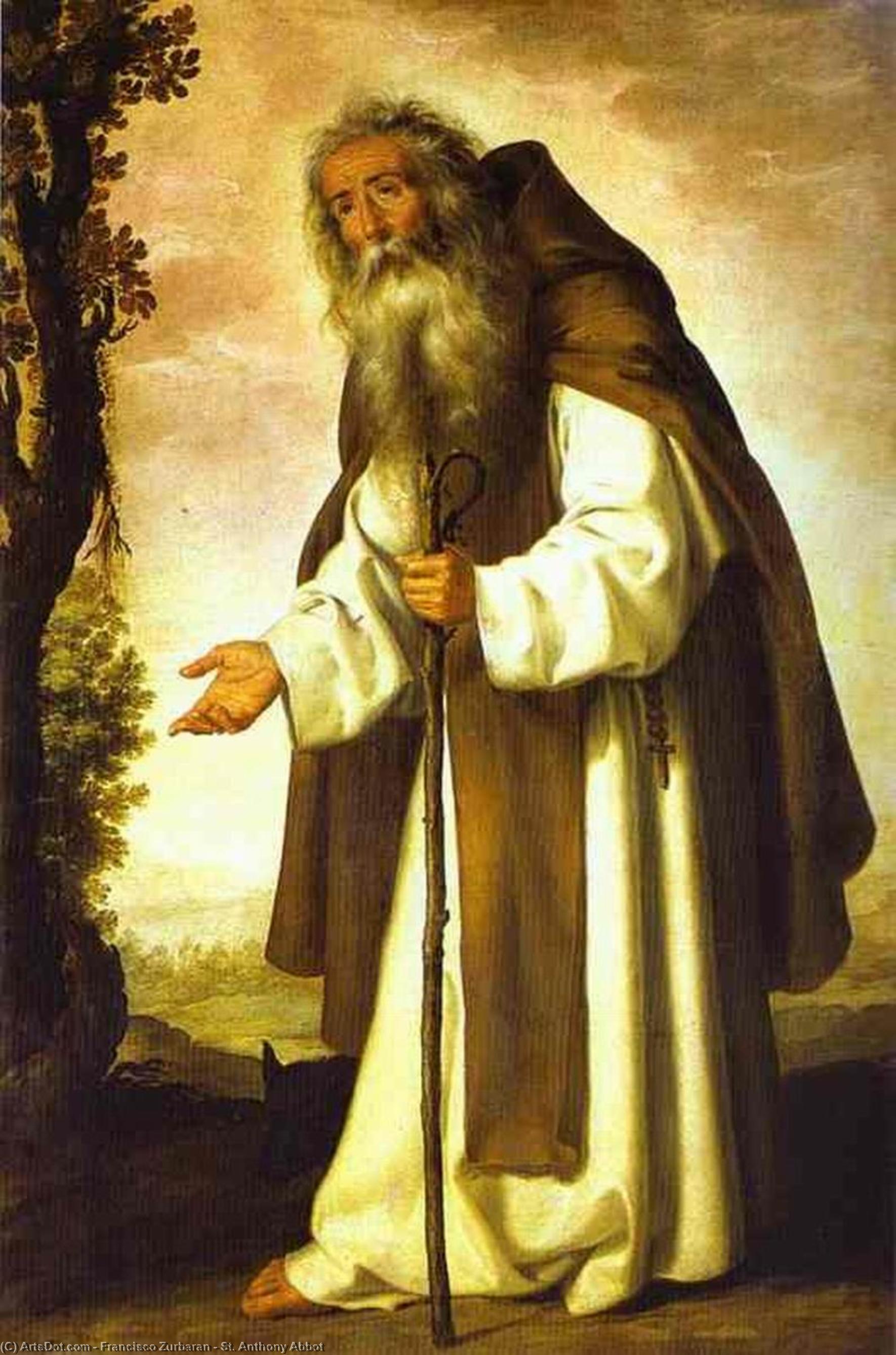
Francisco de Zurbarán’s “St. Anthony Abbot” is not merely a portrait; it's an immersion into the profound solitude and unwavering faith of one of Christianity’s most revered figures. Painted around 1640-1650, this work transcends its historical subject matter to become a timeless meditation on asceticism, devotion, and the power of inner reflection. Zurbarán, often dubbed the “Spanish Caravaggio” for his dramatic use of light and shadow – or *tenebrism* – masterfully employs this technique to draw the viewer into St. Anthony’s world, creating an atmosphere both austere and deeply moving.

(Image of St. Anthony Abbot by Francisco de Zurbarán)
A Masterclass in Baroque Realism and Dramatic Light
Zurbarán’s skill lies not just in his ability to depict a physical likeness, but in conveying the very essence of St. Anthony's character through meticulous detail and masterful manipulation of light. The painting is dominated by deep, enveloping darkness – a characteristic feature of Baroque art – which serves to isolate the saint within a space that feels both earthly and otherworldly. The stark contrast between the illuminated figure and the surrounding shadows creates an intense sense of drama, emphasizing Anthony’s age, his wisdom, and the weight of his spiritual journey. Notice how the light catches the wrinkles on his face and hands, not as signs of decay, but as emblems of a life lived in service to God – each line telling a silent story of hardship, prayer, and unwavering commitment.
The realism is remarkable; Zurbarán’s attention to detail extends beyond the saint's features. The folds of his habit are rendered with astonishing precision, suggesting both its coarse texture and the simplicity of monastic life. He avoids any overt embellishment, opting instead for a directness that speaks volumes about St. Anthony’s humility and rejection of worldly distractions.
Symbolism Woven into the Canvas
Beyond the immediate depiction of the saint, “St. Anthony Abbot” is rich in symbolic meaning. The book held in his left hand represents knowledge and divine wisdom – a testament to the intellectual foundation upon which his faith was built. The staff he carries symbolizes authority and power, not as dominion over others, but as a tool for navigating the spiritual wilderness of his life. Perhaps most powerfully, the dark background can be interpreted as a representation of the desolate desert where St. Anthony spent much of his time in contemplation and prayer – a space stripped bare of distractions, allowing him to connect directly with God. It’s also a potent metaphor for the “spiritual darkness” he overcame through faith and devotion.
A Legacy of Spiritual Intensity
“St. Anthony Abbot” stands as a pivotal work in Francisco de Zurbarán's oeuvre and a significant example of Baroque art. Influenced by Caravaggio’s dramatic lighting, yet forging his own distinctive style, Zurbarán created an image that continues to resonate with viewers centuries later. The painting’s enduring appeal lies in its ability to evoke a sense of quiet contemplation and spiritual yearning – qualities that transcend the specific subject matter and speak to the universal human desire for meaning and connection. Reproductions by ArtsDot.com offer a remarkable opportunity to experience this masterpiece firsthand, bringing its serene intensity into your home or office.