Francisco de Zurbarán (1598-1664): Spanish Baroque master of dramatic tenebrism & religious art. Explore paintings of monks, saints & still lifes – the 'Spanish Caravaggio'!
A Testament to Faith: Analyzing Francisco Zurbarán’s ‘The Crucifixion’
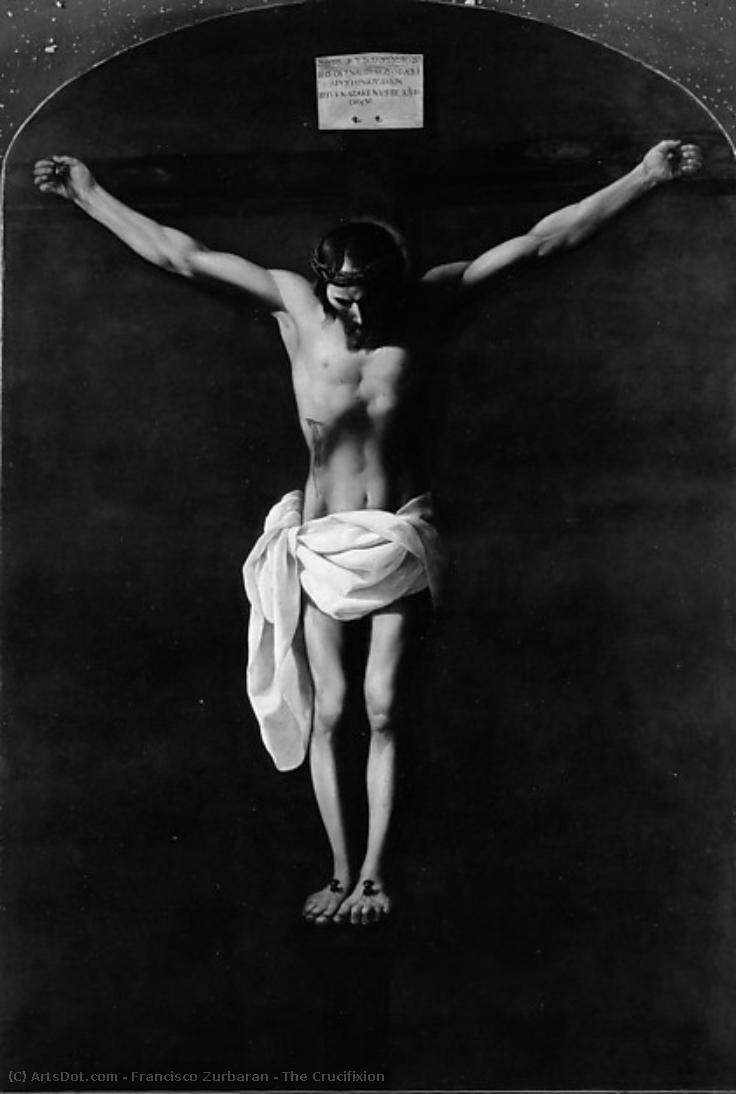
Francisco de Zurbarán's 'The Crucifixion,' completed sometime around 1630, stands as a cornerstone of Baroque art and an enduring emblem of Christian piety. More than just a depiction of suffering, it embodies Zurbaran’s profound commitment to realism combined with masterful manipulation of light—a technique known as tenebrism—that elevates the scene beyond mere representation into a realm of spiritual contemplation. This analysis delves into the artwork's multifaceted layers, illuminating its artistic innovations and resonating emotional power.
Composition and Technique: Mastering Light and Shadow
The painting’s central focus is undeniably Christ on the cross, occupying nearly half of the canvas—a deliberate choice that underscores his monumental importance within the composition. Zurbarán employs a strikingly simple arrangement, prioritizing verticality to emphasize Christ's stature and reinforcing the solemn gravity of the subject matter. The artist skillfully utilizes tenebrism – dramatic chiaroscuro – bathing the figure in pools of luminous light while plunging the surrounding space into impenetrable darkness. This technique isn’t merely stylistic; it serves as a powerful tool for conveying emotion, directing the viewer’s gaze toward Christ and amplifying his vulnerability against the backdrop of profound sorrow. The meticulous rendering of drapery—particularly the loincloth—demonstrates Zurbarán's dedication to anatomical accuracy and textural detail, achieved through painstaking layering of oil paint glazes.
Historical Context: Baroque Piety and Artistic Idealization
The painting emerged during a period marked by fervent religious fervor in Spain following the Counter-Reformation. The Catholic Church actively sought artistic expressions that reinforced faith and instilled moral virtue—a mandate that profoundly influenced Zurbarán’s creative endeavors. Unlike earlier Renaissance depictions of Christ, which often idealized him as divine and serene, Zurbarán presents a brutally honest portrayal of human suffering. However, this unflinching realism is tempered by an overarching sense of spiritual transcendence. The artist deliberately avoids embellishment, prioritizing clarity and emotional impact over decorative flourishes—a hallmark of Baroque aesthetics that prioritized conveying religious fervor above all else.
Symbolism: Sacrifice, Suffering, and Redemption
‘The Crucifixion’ overflows with symbolic significance. Christ's outstretched arms represent humility and acceptance of divine judgment, while his gaze directs inward toward God—a gesture indicative of spiritual contemplation and unwavering faith. The stark darkness surrounding Christ symbolizes death and despair, contrasting sharply with the radiant light illuminating his body—representing resurrection and eternal life. The crucifix itself serves as a potent reminder of sacrificial atonement, embodying the core tenets of Christian theology. Zurbarán’s masterful depiction transcends mere visual representation; it invites viewers to engage in an introspective dialogue about faith, suffering, and ultimately, redemption.
Emotional Impact: A Profound Expression of Sorrow
The artwork's enduring appeal lies in its ability to evoke a visceral response—a palpable sense of sorrow and compassion. Zurbarán’s masterful use of tenebrism doesn’t simply illuminate the figure; it compels us to confront the profound emotional weight of Christ’s sacrifice. The painting’s austere beauty underscores the solemn dignity of faith, prompting contemplation on themes of mortality and divine grace. It remains a testament to Zurbarán's artistic genius—a timeless masterpiece that continues to inspire awe and reverence centuries after its creation.