Introduction
Francisco de Goya, a prominent Spanish romanticist painter and printmaker, is renowned for his captivating artworks that showcase intense emotion and individualism. Among his masterpieces is "A Woman Reading a Letter," which exemplifies the artist's ability to evoke deep sentiment through simple yet powerful imagery.
Historical Context
Created during Goya's romantic period, "A Woman Reading a Letter" reflects the movement's emphasis on emotion and individualism. The painting was completed in 1820, when Spain was undergoing significant political change, transitioning from absolute monarchy to constitutional rule. This context may have influenced Goya's depiction of an intimate moment between two individuals, symbolizing a desire for personal connection amidst societal upheaval.
Artistic Analysis
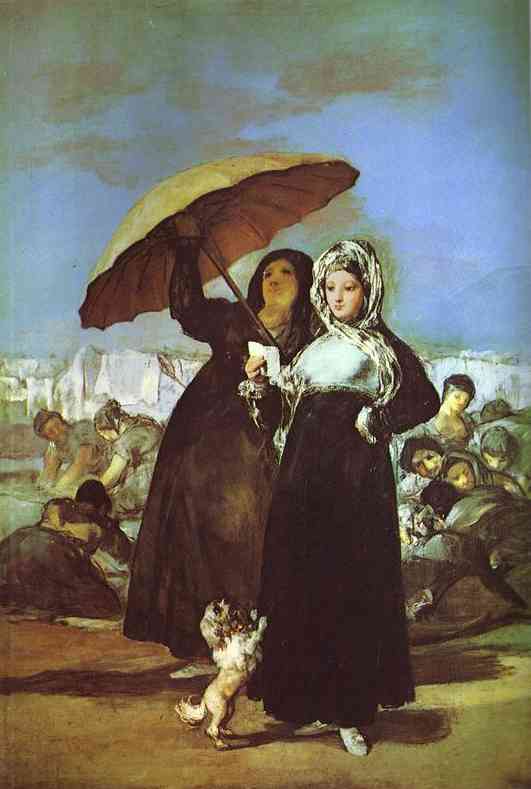
"A Woman Reading a Letter" features a woman engrossed in the contents of a letter, while her companion looks on with curiosity and concern. The painting's subdued color palette and chiaroscuro technique create an atmosphere of introspection and intimacy. Goya masterfully employs light to emphasize the woman's facial expression, capturing her deep emotions as she reads the letter.
Symbolism
Goya's use of symbolism in "A Woman Reading a Letter" adds depth to the painting's narrative. The letter itself represents communication and connection between individuals, while the woman's emotional response suggests the importance of the message she is receiving. Her companion's expression conveys empathy and support, further emphasizing the significance of personal relationships during times of change.
Acquiring a Reproduction
To acquire a high-quality handmade oil painting reproduction of "A Woman Reading a Letter" by Francisco de Goya, visit
ArtsDot.com. Our skilled artists meticulously recreate each detail, ensuring a stunning and long-lasting artwork that you can enjoy for years to come.
Conclusion
"A Woman Reading a Letter" by Francisco de Goya is a powerful testament to the artist's ability to capture emotion and individualism in his work. By exploring this masterpiece, we gain valuable insights into the historical context of romanticism and the enduring significance of personal relationships during times of change.
Francisco de Goya: A Woman Reading a Letter (Romanticism, Oil)
References: