It is Time: A Study in Romantic Anxiety
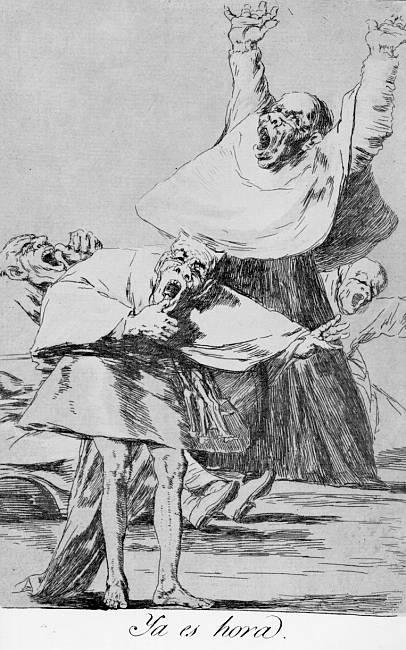
Francisco José de Goya y Lucientes’s “It Is Time,” created in 1799, stands as a cornerstone of Romantic art—a chilling distillation of fear, uncertainty, and impending doom rendered with masterful precision. This etching, part of his monumental series “Los Caprichos,” transcends mere visual representation; it plunges the viewer into the psychological landscape of its era.
- Composition & Movement: The artwork’s asymmetrical arrangement immediately commands attention, pulling the eye towards a central figure dramatically outstretched—a gesture laden with desperation and yearning for deliverance. Figures intertwine in a claustrophobic dance, mirroring the turbulent anxieties gripping Europe at the time of Napoleon’s ascent. Goya eschewed rigid formalism, favoring spontaneity to convey the urgency of his subject.
- Technique & Texture: Executed with painstaking detail using etching techniques—specifically burin, drypoint, and aquatint—the image achieves remarkable textural depth. Dense cross-hatched lines dominate the surface, sculpting shading and creating an illusion of volume that amplifies the scene’s dramatic impact. Fine lines delineate facial features and fabric folds, highlighting Goya's meticulous craftsmanship.
- Color Palette & Lighting: Stripped bare of color, “It Is Time” operates entirely within grayscale tones—ranging from stark whites to profound blacks—a deliberate choice that underscores the bleakness of its thematic concerns. Dramatic lighting casts harsh shadows across the figures’ faces and clothing, intensifying their expressions of anguish and emphasizing the pervasive sense of unease.
- Symbolism & Emotional Resonance: The raised arms of the central figure serve as a poignant emblem of vulnerability and supplication—a plea for solace amidst overwhelming dread. The distorted facial expressions convey terror, despair, and profound sorrow, mirroring the anxieties prevalent during the Napoleonic Wars. Books and a clock subtly reinforce themes of knowledge, mortality, and the relentless march of time.
- Historical Context: “Los Caprichos” emerged during a period marked by political upheaval and social unrest—a reaction to Napoleon’s invasion of Spain and Goya's unwavering critique of societal hypocrisy. The etching reflects the Romantic preoccupation with confronting uncomfortable truths and exploring the darker recesses of human psychology, cementing its place as an enduring testament to artistic innovation.
This artwork is more than just a depiction; it’s an experience—a visceral confrontation with existential dread that continues to resonate powerfully today. Its masterful technique and evocative symbolism solidify Goya's legacy as one of the most influential artists of his time, inspiring admiration for its artistic brilliance and prompting contemplation on timeless themes.