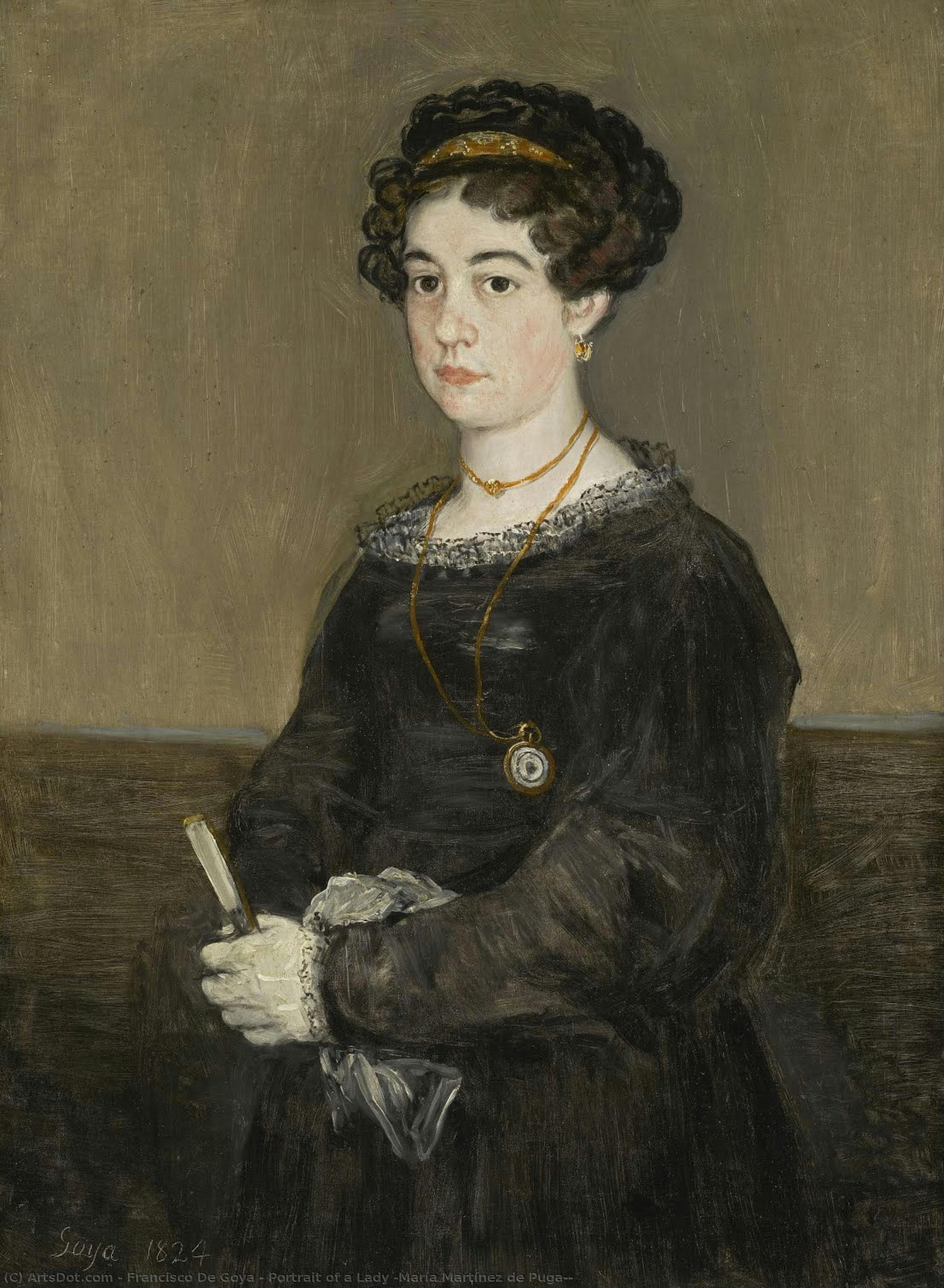
A haunting portrait by Goya depicting a woman with intense gaze and shadowed dress, reflecting Spain's turbulent Restoration era anxieties through masterful chiaroscuro technique and symbolic imagery.
Francisco Goya (1746-1828): Explore the life & work of Spain's Romantic master. Known for portraits, dark satire & 'Disasters of War'. A pivotal figure in art history.
The Frick Collection
(New York City, United States of America)
Discover art & architecture at The Frick Collection – a Gilded Age mansion showcasing masterpieces by Vermeer, Rembrandt & more. Explore European art in NYC's stunning setting.
A Portrait Steeped in Darkness and Dignity: Examining Goya’s “Portrait of a Lady”
The painting "Portrait of a Lady" by Francisco José de Goya y Lucientes, completed in 1824, stands as a poignant emblem of Romanticism's preoccupation with psychological depth and the exploration of human emotion amidst societal constraints. More than just a depiction of an individual’s likeness, it delves into the complexities of identity and offers a glimpse into the anxieties simmering beneath the surface of aristocratic life during Spain’s tumultuous Restoration period.
Style and Technique: The Shadowed Palette of Emotion
Goya's masterful technique distinguishes itself through his deliberate use of chiaroscuro – dramatic contrasts between light and dark – which dominates the composition. This stylistic choice isn’t merely aesthetic; it serves as a powerful tool for conveying mood and psychological state. The woman’s face is bathed in soft, diffused light, highlighting her gaze and creating an aura of contemplative seriousness. However, this illumination is juxtaposed with deep shadows that envelop her dress and torso, symbolizing hidden vulnerabilities and unspoken burdens. Goya employed oil paints on canvas, applying thick impasto – textured brushstrokes – to build up layers of pigment and achieve a palpable sense of physicality. This technique lends the portrait an immediacy and emotional resonance rarely found in earlier artistic traditions.
Historical Context: Spain Under Bourbon Rule
Painted during the reign of Ferdinand VII after Napoleon’s invasion, “Portrait of a Lady” reflects the anxieties of a nation grappling with political instability and social upheaval. The Bourbon monarchy sought to restore absolutist rule following decades of liberal reforms championed by Enlightenment thinkers. This conservative agenda permeated artistic circles, favoring idealized representations of noble virtue and restraint – qualities antithetical to Goya’s unflinching gaze at human suffering. Yet, within this framework of societal expectation, Goya subtly challenges convention through his portrayal of the woman's inner life. Her unwavering stare suggests defiance against societal pressures and an assertion of individual autonomy.
Symbolism: The Clock and the Weight of Time
A prominent clock positioned centrally in the painting adds another layer of symbolic significance. Traditionally associated with mortality and the relentless march of time, it underscores the inescapable reality of human existence and serves as a reminder that beauty and grace cannot shield us from inevitable decline. Furthermore, the woman’s posture—slightly turned away from the viewer—creates a sense of distance and introspection, inviting contemplation on themes of memory, loss, and the passage of years. The gold necklace around her neck symbolizes wealth and status but also hints at adornments that conceal inner turmoil.
Emotional Impact: A Window into Inner Consciousness
Ultimately, “Portrait of a Lady” transcends mere visual representation; it captures a profound emotional landscape. Goya’s masterful manipulation of light and shadow evokes feelings of melancholy and contemplation, prompting viewers to confront questions about identity, vulnerability, and the human condition. The painting's enduring appeal lies in its ability to resonate with audiences across generations—a testament to Goya’s unparalleled skill in translating psychological complexity onto canvas and cementing his place as one of Spain’s greatest artistic luminaries. It remains a captivating study of portraiture, demonstrating how art can illuminate the hidden depths of human experience.