A Haunting Portrait of Isolation: Unveiling the Enigma of Goya’s “The Dog”
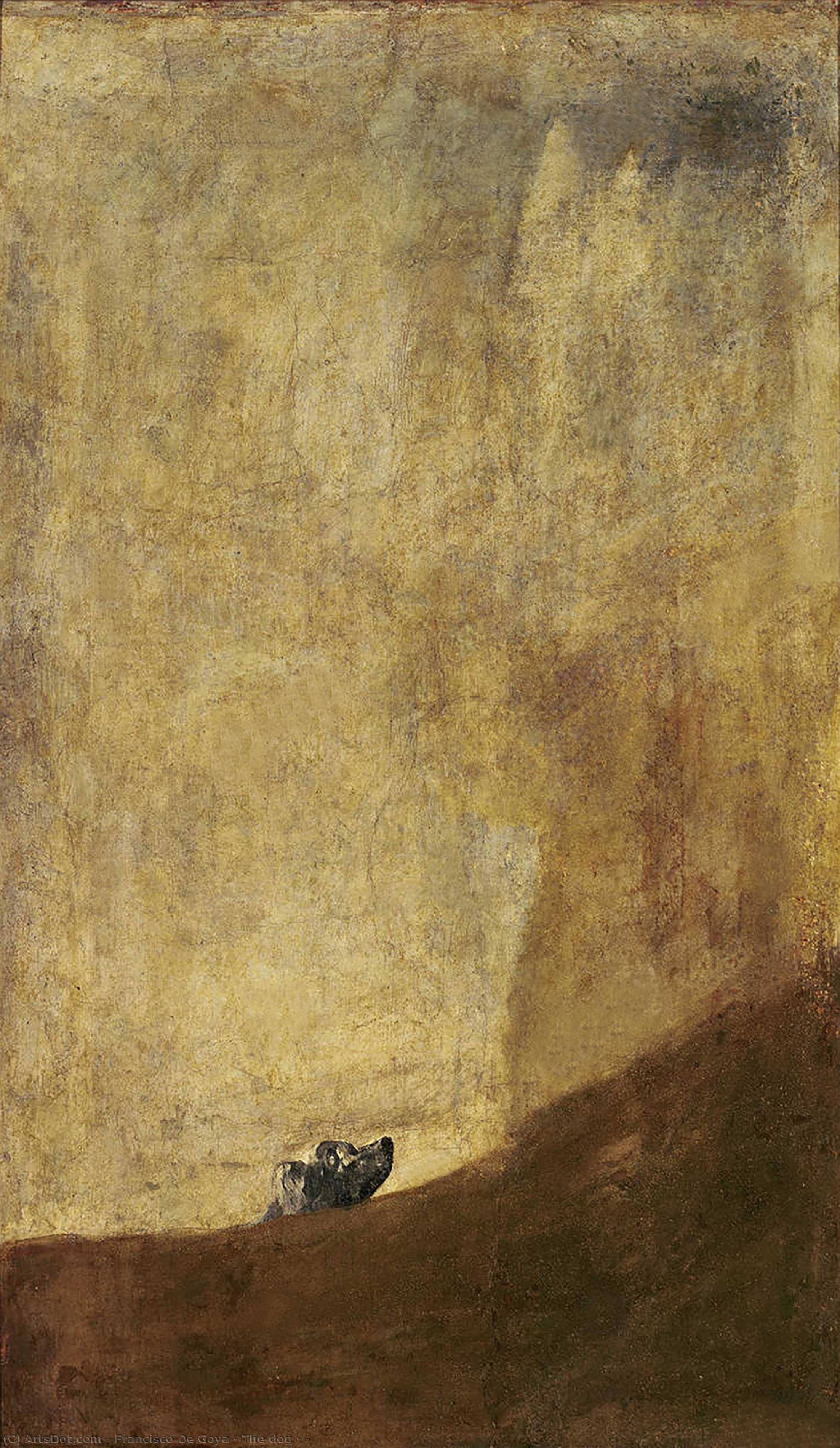
Francisco de Goya's "The Dog," painted between 1819 and 1823, is not merely a depiction of an animal; it’s a profound meditation on loneliness, mortality, and the unsettling anxieties that permeated the artist’s life during a turbulent period in Spanish history. This oil-on-canvas masterpiece, now housed within the Museo de Bellas Artes de Santander, immediately captivates with its stark simplicity – a solitary dog standing atop a desolate hill, its head bowed as if lost in contemplation. Yet, beneath this apparent minimalism lies a complex web of symbolism and emotional resonance that has fascinated art historians and viewers alike for centuries.
The painting’s genesis is inextricably linked to Goya's personal struggles following the Peninsular War and his subsequent descent into deafness. Living in self-imposed isolation at his Quinta del Sordo estate, he created a series of emotionally charged works known collectively as the “Black Paintings.” These were not intended for public display; instead, they served as a deeply private outlet for his anxieties, fears, and disillusionment with the political landscape of Spain. "The Dog" stands as one of the most potent and enigmatic expressions within this haunting collection.
Composition and Symbolism: Decoding the Visual Language
Goya’s masterful composition draws the viewer's eye immediately to the central figure – the dog itself. Its posture, with its head bowed low and seemingly gazing into an unseen distance, evokes a powerful sense of melancholy and introspection. The positioning on the hilltop suggests vulnerability and exposure, while the vast expanse of space surrounding it amplifies this feeling of isolation. Noticeably, two other dogs are present in the scene, one positioned near the left side of the image and another towards the right, adding to the overall atmosphere of quiet observation.
Beyond the dog, three figures can be discerned – a man standing on the hill alongside the primary canine, and two others further away. These human elements introduce an element of mystery, suggesting perhaps a connection or a lost relationship. However, their distance emphasizes the dog’s solitary state, reinforcing the painting's central theme of isolation. The muted color palette—primarily dark browns, grays, and blacks—contributes to the somber mood, creating a visual echo of Goya’s internal turmoil.
A Window into the Artist’s Psyche: Context and Interpretation
To fully appreciate “The Dog,” it's crucial to understand the historical context in which it was created. Spain during this period was grappling with political instability, social unrest, and the aftermath of Napoleon’s invasion. Goya, a court painter for much of his career, witnessed firsthand the horrors of war and the corruption within the royal court. This experience profoundly shaped his artistic vision, leading him to explore darker themes and challenge conventional notions of beauty and heroism.
Art historians have offered various interpretations of the painting’s symbolism. Some see the dog as representing humanity itself – vulnerable, lost, and searching for meaning in a chaotic world. Others suggest that it embodies Goya's own feelings of isolation and despair during his later years. The lack of clear narrative or identifiable subject matter further contributes to the painting’s enigmatic quality, inviting viewers to project their own emotions and experiences onto the scene.
Legacy and Reproduction: Bringing Goya’s Vision to Life
“The Dog” remains one of Goya's most celebrated works, admired for its raw emotional power and artistic innovation. Its influence can be seen in countless contemporary artists who continue to explore themes of isolation, mortality, and the human condition. ArtsDot offers meticulously crafted, hand-painted reproductions that faithfully capture the essence of this iconic painting, allowing you to experience Goya’s masterpiece in stunning detail.
View a high-resolution reproduction of “The Dog” at ArtsDot.com. For further insights, explore Goya’s broader body of work, including his poignant portraits and unsettling “Black Paintings,” available through ArtsDot's extensive collection. You can also delve deeper into the history of the Museo de Bellas Artes de Santander at ArtsDot.com.