A Moment Frozen in Tension: Analyzing Goya’s “They Are Hot”
Francisco José de Goya y Lucientes, a titan amongst Romantic artists, bequeathed to us not merely visual splendor but a profound meditation on human condition. His etching, “They Are Hot,” or Plate 13 from ‘Los Caprichos,’ transcends its formal execution—a masterful demonstration of chiaroscuro and meticulous hatching—to deliver a searing indictment of social hypocrisy and simmering discontent. Created in 1798 during the tumultuous reign of Charles IV, this artwork serves as a microcosm of Spain’s anxieties surrounding Enlightenment ideals colliding with entrenched traditions.
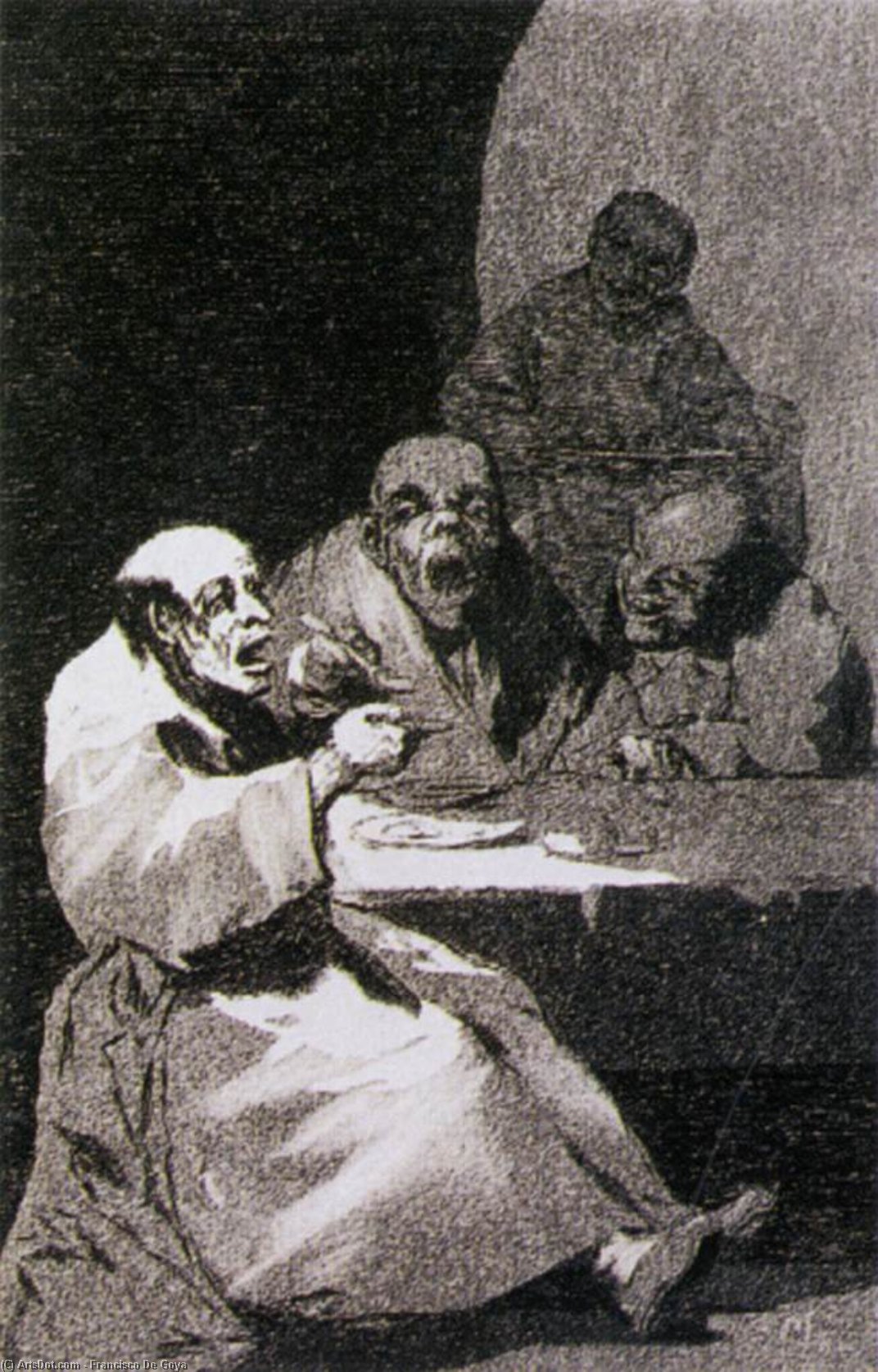
- Subject Matter & Narrative Context: The scene depicts a dining table occupied by several figures engaged in what appears to be an impassioned argument. While the precise narrative remains elusive—Goya deliberately eschewed explicit storytelling—the palpable tension radiating from the faces speaks volumes about the pressures of societal expectations and the unspoken frustrations beneath polite veneer.
- Style & Technique: Goya’s etching style embodies the Romantic spirit, prioritizing expressive emotion over idealized beauty. The technique itself is remarkable; employing finely spaced lines executed with hatching and cross-hatching—a hallmark of his oeuvre—he builds up tonal values with astonishing precision. This meticulous attention to detail isn't merely decorative; it underscores Goya’s commitment to conveying psychological depth through visual representation.
- Composition & Lighting: The composition centers around a dominant rectangular table, strategically positioned to maximize dramatic impact. Light originates from an unseen source above and slightly to the left, casting harsh shadows that sculpt the figures and heighten the sense of unease. This directional lighting is characteristic of Goya’s approach—he sought to illuminate not just form but also mood, mirroring the emotional intensity of the depicted scene.
- Symbolism & Emotional Resonance: The title “They Are Hot” functions as a potent symbol – it encapsulates the simmering anger and frustration felt by those involved in the confrontation. Goya’s masterful use of line and shadow isn't simply about recreating an image; it’s about channeling emotion onto the canvas, inviting viewers to contemplate themes of social critique and psychological vulnerability.
- Historical Significance: “Los Caprichos,” as a whole, represents Goya’s defiant rejection of Neoclassical conventions and his embrace of Romantic sensibilities. It reflects a broader cultural shift toward confronting uncomfortable truths about human behavior and societal ills—a legacy that continues to resonate powerfully today.
A reproduction of “They Are Hot” offers more than just aesthetic pleasure; it provides access to a seminal artwork that encapsulates the anxieties of its time and speaks directly to our own understanding of human psychology. Its enduring power lies in Goya’s ability to distill complex emotions into deceptively simple visual elements—a testament to his genius as both artist and humanist.