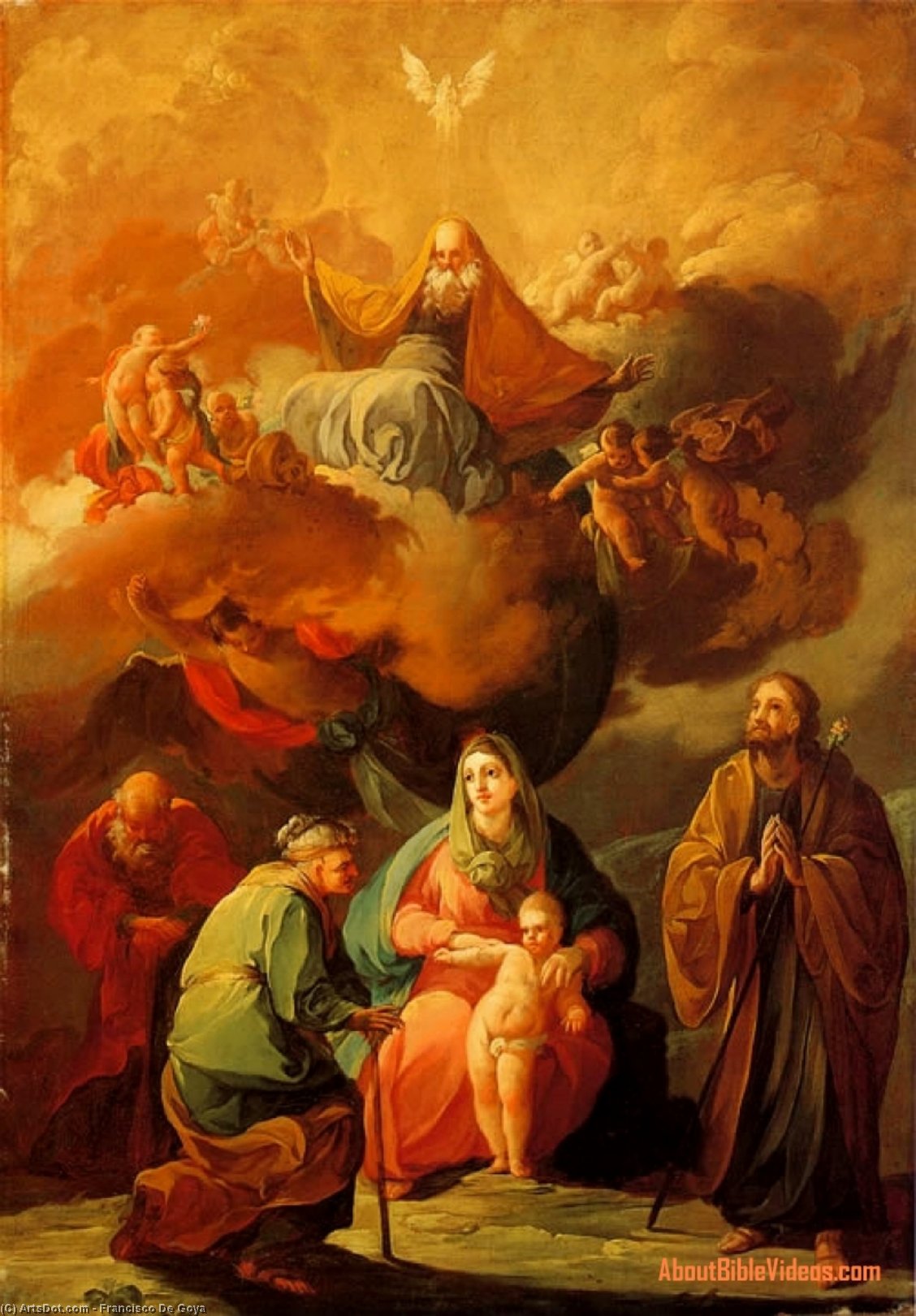
Experience Francisco Goya's 'Triple Generation' (1769). A poignant religious scene depicting three generations, showcasing the artist’s masterful Romantic style and emotional depth. Explore this iconic work today!
Francisco Goya (1746-1828): Explore the life & work of Spain's Romantic master. Known for portraits, dark satire & 'Disasters of War'. A pivotal figure in art history.
Triple Generation: A Window into Romantic Faith
Francisco José de Goya y Lucientes, arguably Spain’s most influential artist of the Romantic era, bequeathed to posterity a legacy defined by both profound sensitivity and unsettling realism. His magnum opus, ‘Triple Generation,’ painted in 1769, transcends mere depiction; it embodies the spirit of his time—a period grappling with religious fervor alongside burgeoning anxieties about societal change—and stands as an enduring testament to Goya’s unparalleled artistic vision.
### Contextualizing Faith: The Painting's Narrative Landscape
The scene unfolds within a meticulously crafted religious tableau, reflecting the dominant spiritual preoccupations of the Bourbon court in Madrid. Painted during a time of considerable political instability and papal influence, ‘Triple Generation’ portrays three successive generations of individuals—a woman cradling her infant son—surrounded by supporting figures including two men positioned on either side. This deliberate arrangement underscores the importance of familial lineage and divine grace within Catholic dogma. The backdrop is dominated by a turbulent sky, mirroring the emotional intensity of the depicted narrative and reinforcing the overarching theme of piety and solemn contemplation. Notably, three angelic beings ascend above the central woman, symbolizing God’s benevolent protection over the family unit.
### Artistic Expression: Goya's Romantic Style – Bold Strokes and Emotional Resonance
Goya’s distinctive artistic style—characterized by dramatic chiaroscuro (the interplay of light and shadow)—is immediately apparent throughout ‘Triple Generation.’ He eschewed the polished elegance favored by Neoclassical painters, opting instead for expressive brushstrokes that convey palpable emotion. The palette is rich with muted hues—primarily blues and browns—creating a sense of solemn grandeur and conveying the contemplative mood of the scene. Goya’s masterful technique captures not only visual accuracy but also psychological depth, inviting viewers to contemplate themes of faith, family, and mortality. This stylistic choice aligns perfectly with the Romantic movement's commitment to capturing subjective experience and exploring the darker recesses of human consciousness.
### Symbolism Beyond Representation: Layers of Meaning
Beyond its surface narrative, ‘Triple Generation’ is laden with symbolic significance. The woman represents motherhood and purity—values considered paramount in Christian morality—while the infant symbolizes innocence and divine grace. The men flanking her embody strength and guardianship, symbolizing God's provision for humanity. Furthermore, the angelic figures serve as reminders of God’s omnipresence and benevolent care. Goya skillfully employs visual cues to communicate complex theological ideas, demonstrating his profound understanding of artistic symbolism and its capacity to elevate art beyond mere representation.
### Legacy and Influence: A Masterpiece Enduring Through Time
‘Triple Generation’ cemented Goya's reputation as a visionary artist who anticipated the stylistic innovations of subsequent generations. Its influence can be discerned in countless works produced throughout Europe during the Romantic period, establishing Goya as a pivotal figure in art history. Today, reproductions of this iconic painting continue to inspire collectors and interior designers alike—a testament to its timeless beauty and enduring emotional power. The Museo de Bellas Artes de Santander proudly houses an original version of ‘Triple Generation,’ ensuring that future generations can appreciate the brilliance of Goya’s artistic genius.