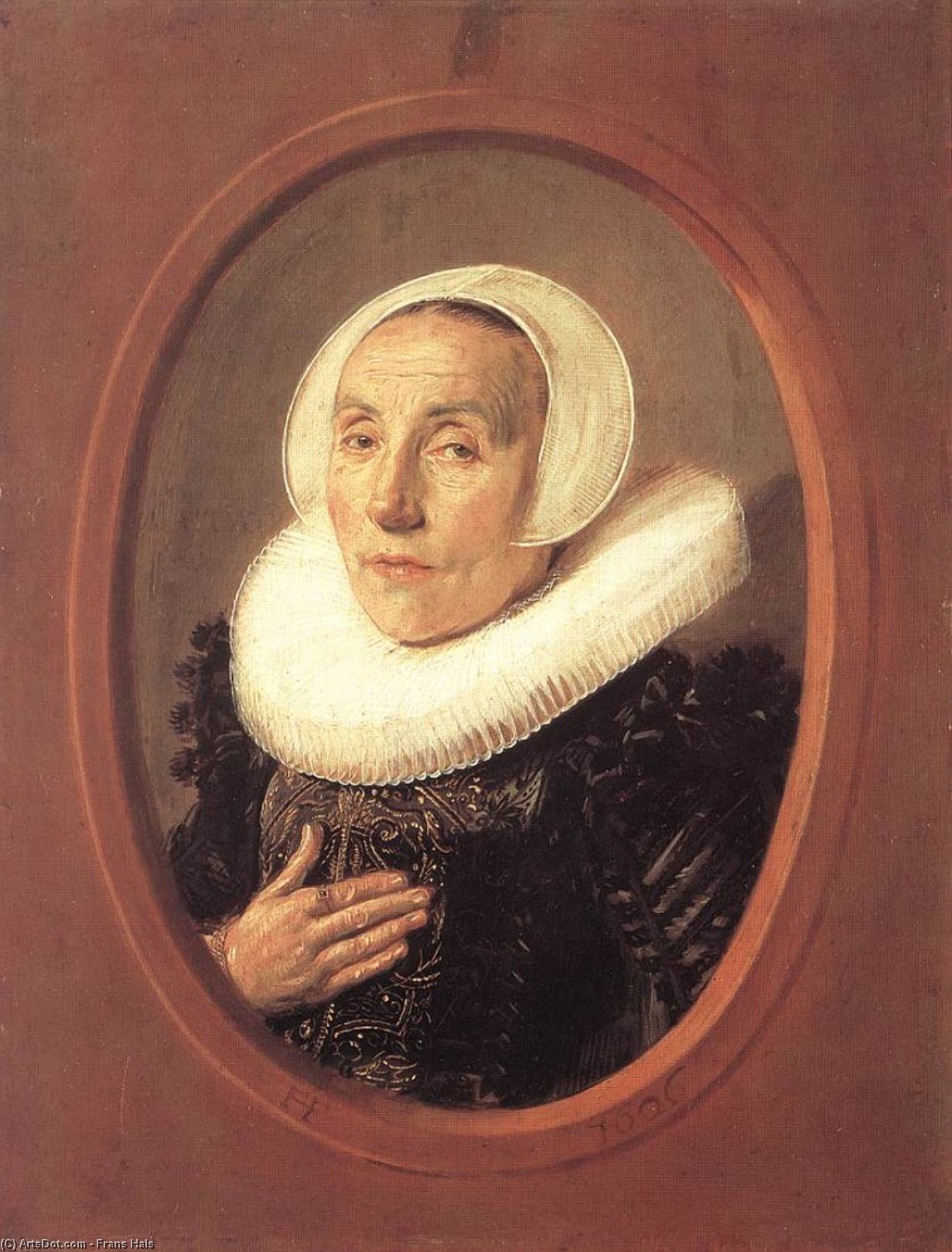
Anna van der Aar: A Portrait of Quiet Dignity
Frans Hals’s “Anna van der Aar,” completed in 1626, stands as a cornerstone of Dutch Baroque portraiture—a masterful distillation of observation and expressive brushwork that transcends mere likeness to convey profound psychological depth. This captivating painting resides within the Metropolitan Museum of Art’s collection, offering visitors an unparalleled opportunity to experience firsthand the brilliance of Hals’s artistic vision.
The subject herself is presented with remarkable composure—a woman adorned in a dark dress and ruffled collar, her gaze directed outwards towards the window. Hals eschewed meticulous detail typical of his contemporaries, prioritizing instead a technique characterized by loose, impasto strokes that capture the fleeting nuances of light and shadow. This deliberate disregard for conventional realism serves to heighten the painting’s emotional resonance.
- Style: Baroque – Hals's style embodies the spirit of the era, favoring dramatic lighting and dynamic compositions over idealized representations.
- Technique: Oil on Panel – Hals employed oil paints on wooden panels, a technique that allowed for layering colors and achieving textural richness—a hallmark of his distinctive aesthetic.
- Composition: Hals skillfully positioned Anna van der Aar before the window, creating an interplay between interior stillness and external observation. This compositional choice contributes to the painting’s contemplative mood.
Beyond its formal qualities, “Anna van der Aar” resonates with symbolic significance. The window serves as a visual metaphor for introspection—suggesting that Anna contemplates her surroundings while simultaneously engaging in an internal dialogue. Hals's masterful brushstrokes capture not just the physical appearance of his sitter but also her inner state, conveying a sense of quiet dignity and understated elegance.
Considered alongside works by Adam Frans van der Meulen and Vincent I Laurensz van der Vinne—artists who similarly explored themes of human emotion and psychological realism—Hals’s “Anna van der Aar” exemplifies the apex of Dutch Baroque painting. Its enduring appeal lies in its ability to evoke a powerful emotional response, inviting viewers to contemplate the complexities of human experience.
For those seeking inspiration or desiring to adorn their homes with a piece of art history, ArtsDot.com offers exceptional reproductions of Hals’s “Anna van der Aar,” meticulously crafted to preserve the original artwork's vibrancy and textural detail. Explore our collection today!