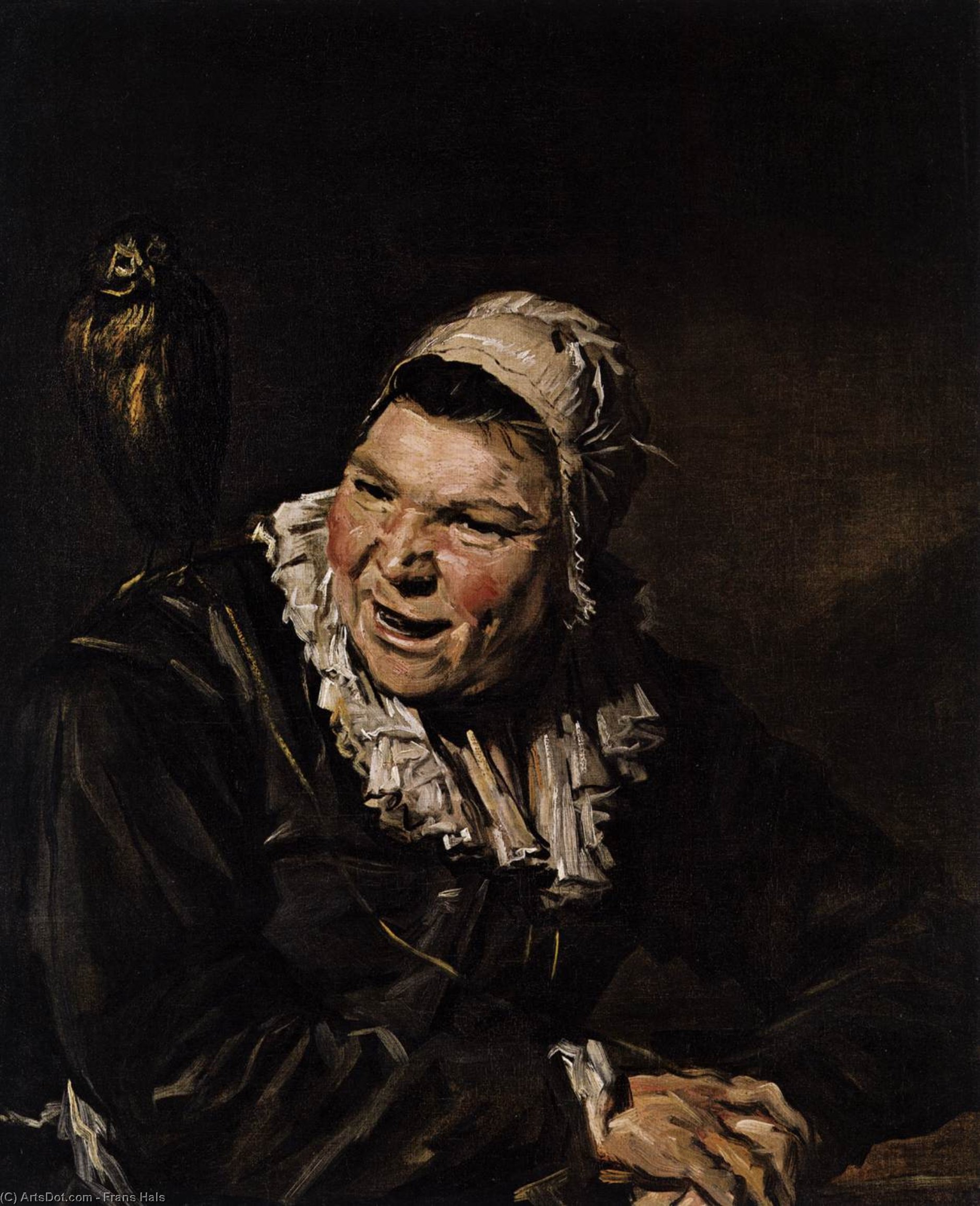
Discover Frans Hals' 1635 masterpiece 'Malle Babbe,' a captivating portrait showcasing expressive brushwork, realistic detail, and emotional depth. Perfect for art collectors and enthusiasts of Dutch Golden Age painting.
Explore Frans Hals I: Dutch Golden Age master of portraiture & genre scenes. Known for loose brushwork & capturing personality! #FransHals #DutchArt
Explore The Metropolitan Museum of Art: 5,000 years of art from around the world! Discover masterpieces, ancient artifacts & immersive exhibitions – a global art destination awaits.
Subject and Composition
This captivating portrait centers on a woman whose expressive face and poised posture draw viewers into a moment of quiet introspection. Likely representing a domestic worker or a figure from everyday life in 17th-century Holland, her gaze is direct yet contemplative, inviting viewers to ponder her story. The inclusion of her hands, resting gently or clasped, adds a layer of intimacy and narrative depth, emphasizing her personality and emotional state. The composition’s straightforward yet powerful arrangement ensures her presence commands attention, making it a compelling focal point for any space.
Artistic Style and Technique
Created during the Dutch Golden Age, this painting exemplifies the mastery of realism infused with expressive brushwork. The artist employs vigorous, textured strokes that bring vitality and immediacy to the portrait, capturing not only her physical features but also her inner life. The use of chiaroscuro—dramatic contrasts of light and shadow—enhances the three-dimensionality of her face and hands, creating a tactile sense of depth. The oil on canvas medium allows for rich layering of earthy, muted tones—browns, blacks, and flesh hues—highlighted subtly to emphasize textures of skin, fabric, and headscarf. This technique results in a vivid, lifelike portrayal that resonates with emotional authenticity.
Historical Context and Artistic Significance
Painted in 1635 by Frans Hals, a pioneering figure of Dutch portraiture, this work reflects the era’s focus on capturing individual character and social realism. Hals was renowned for his lively, spontaneous style, characterized by loose brushwork and a keen eye for personality. This portrait aligns with his reputation for creating intimate, candid depictions of ordinary people, elevating everyday subjects to the level of fine art. As a product of the Dutch Golden Age, it embodies the period’s cultural emphasis on realism, humanism, and the celebration of common life.
Symbolism and Emotional Impact
Beyond its technical brilliance, the painting exudes a profound emotional resonance. The woman’s direct gaze and subtle expression evoke resilience, dignity, and a sense of shared humanity. The subdued palette and textured brushwork evoke a raw, visceral connection, allowing viewers to sense her strength amid life's hardships. This portrait not only celebrates individual character but also serves as a testament to the dignity of ordinary people, making it a powerful piece for fostering empathy and reflection.
Interior Design and Collecting Inspiration
Perfectly suited for sophisticated interiors, this high-quality reproduction adds timeless elegance and emotional depth to any space. Whether displayed in a living room, office, or gallery, its rich textures and compelling subject matter create an inviting focal point. Art lovers and collectors will appreciate its historical significance and masterful execution, while interior designers can leverage its warm tones and intimate scale to enhance classic or contemporary decor. This artwork is more than a decorative piece; it is a window into the human soul, inspiring conversation and admiration for generations to come.