A Timeless Portrait: Frans Hals’ “Portrait of a Man (15)”
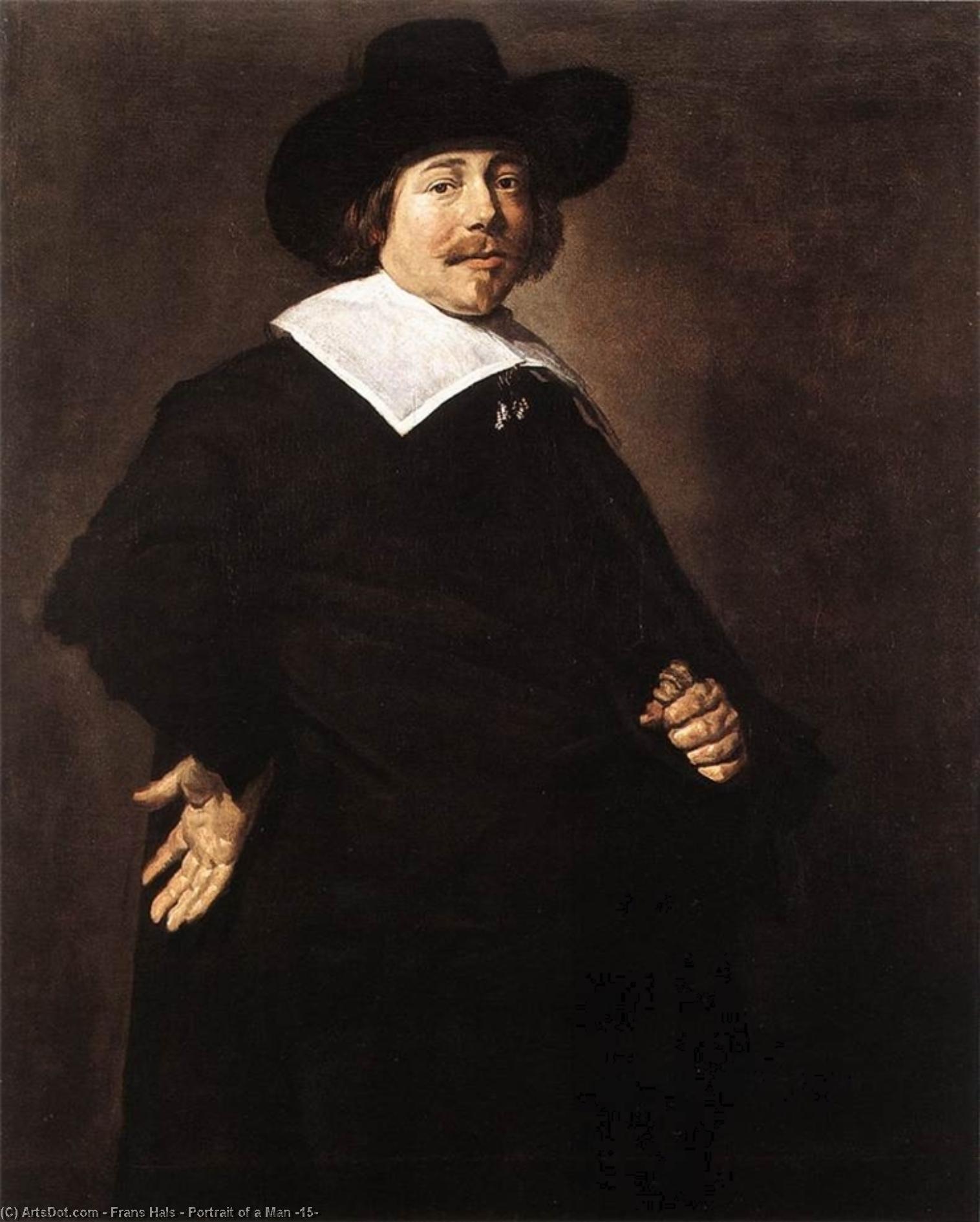
Frans Hals' "Portrait of a Man (15)," painted around 1640, isn’t merely a depiction of an individual; it’s a vibrant snapshot of Haarlem in the Dutch Golden Age – a moment captured with audacious immediacy and profound psychological insight. The painting immediately draws the eye to its subject: a gentleman of indeterminate age, radiating quiet confidence and a subtle air of worldly experience. He's not posed stiffly for the camera, but rather engaged in an almost casual conversation with the viewer, his gaze direct and engaging, hinting at a life lived fully.
Hals’ signature style is brilliantly on display here. Unlike many of his contemporaries who meticulously rendered every detail with painstaking precision, Hals employed a remarkably loose and expressive brushstroke. This technique isn't haphazard; it’s deliberate – designed to convey movement, light, and the very essence of the subject. Notice how the paint seems to shimmer and dance across the canvas, particularly in the folds of his dark velvet coat and the delicate ruffle of his white collar. The use of impasto—thickly applied paint—creates a tactile quality, inviting us to almost feel the texture of the fabric.
A Window into Haarlem’s Society
To understand “Portrait of a Man (15),” we must step back in time and consider the context of 17th-century Haarlem. The city was a thriving center for trade, art, and culture – a hub of artistic innovation fueled by wealthy merchants and civic pride. Hals’ portraits weren't simply commissions; they were social statements, reflecting the status and aspirations of his patrons. This gentleman likely represented a successful merchant or perhaps a respected member of the Haarlem Guilds, a powerful organization that governed many aspects of city life.
The inclusion of details like the elaborate clothing—a testament to wealth and taste—and the subtle signs of age – the beard and mustache – speak volumes about the values of the time. Hals masterfully captures not just physical appearance but also the character and social standing of his subject, offering a glimpse into the lives of Haarlem’s elite.
Symbolism and Psychological Depth
Beyond its surface beauty, “Portrait of a Man (15)” is rich in symbolic meaning. The man's direct gaze invites introspection, challenging us to consider our own relationship with portraiture and representation. The slightly averted glance suggests a quiet thoughtfulness, hinting at the complexities of his inner life. Some art historians have suggested that the dark background serves to further isolate the subject, emphasizing his individuality and drawing attention to his face – the focal point of the painting.
Furthermore, Hals’ masterful use of light and shadow creates a dramatic effect, highlighting key features and adding depth to the composition. The subtle illumination on the man's face draws our attention to his eyes, conveying an intensity that transcends mere likeness. It is this psychological realism—the ability to capture not just appearance but also mood and personality—that elevates Hals’ work to a truly exceptional level.
A Legacy of Innovation
Frans Hals stands as one of the most important figures in Dutch art history, renowned for his innovative approach to portraiture. “Portrait of a Man (15)” exemplifies his unique style – characterized by its spontaneity, dynamism, and psychological depth. His rejection of academic conventions and embrace of expressive brushwork paved the way for future generations of artists, influencing painters across Europe. Today, this captivating portrait continues to resonate with viewers, offering a timeless glimpse into the spirit of the Dutch Golden Age.