Explore Frida Kahlo's iconic art (1907-1954): self-portraits, surrealism & Mexican heritage. Discover themes of identity, pain, resilience & her feminist legacy.
Explore modern & contemporary art at MoMA! Discover iconic works by Van Gogh, Picasso, Warhol & more. Immerse yourself in groundbreaking exhibitions & design.
Fulang-Chang and I: A Portrait of Resilience Amidst Pain
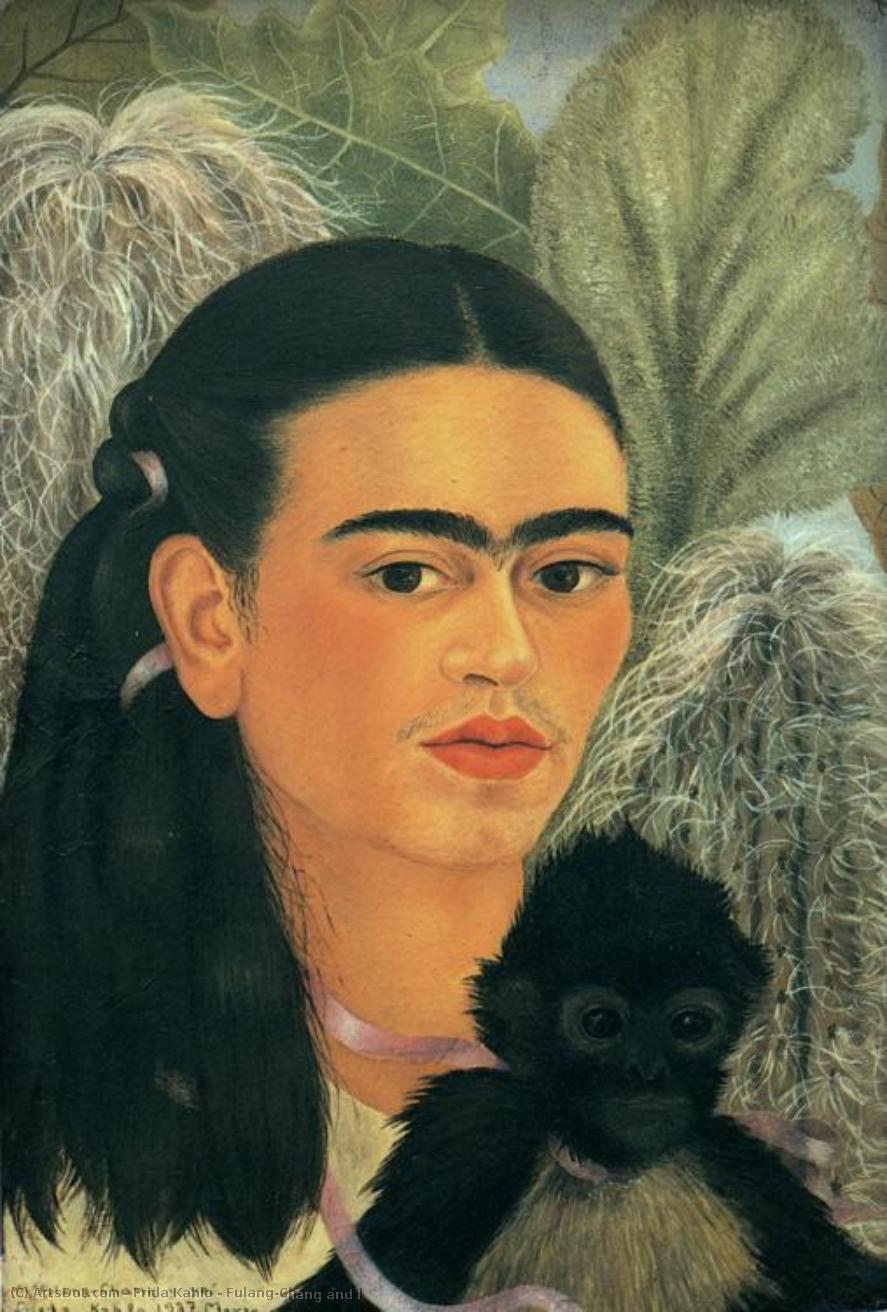
Frida Kahlo’s “Fulang-Chang and I,” painted in 1937, is more than just a depiction of a woman seated beneath a tree; it's an intensely personal exploration of identity, vulnerability, and the enduring spirit of survival. Executed in oil on canvas measuring 40 x 28 cm and currently residing at the Museum of Modern Art in New York City, this artwork encapsulates Kahlo’s signature Surrealist style—characterized by dreamlike imagery juxtaposed with meticulous realism—a testament to her unwavering commitment to portraying her inner world.
- Style & Technique: Kahlo's distinctive technique blends elements of Mexican Folk Art and Surrealism. She employed a layered approach, applying thin washes of color over thicker impasto strokes, creating textural surfaces that mirror the emotional depth of the scene. The meticulous detail in rendering the tree branches and foliage contrasts sharply with the stylized depiction of Fulang-Chang, Kahlo’s monkey companion, highlighting her masterful control over artistic expression.
- Historical Context: Created during a period marked by significant upheaval—the Spanish Civil War and the looming shadow of Nazi Germany— “Fulang-Chang and I” reflects Kahlo's preoccupation with themes of suffering and transformation. Following a devastating bus accident that left her permanently disabled, Kahlo channeled her pain into artistic creation, transforming personal trauma into universal symbols of resilience and introspection.
- Symbolism: The monkey perched on Kahlo’s shoulder serves as a potent emblem of instinctual wisdom and connection to the natural world—a deliberate reference to Kahlo's own belief in healing through communion with nature. The necklace around her neck symbolizes femininity, protection, and perhaps a reminder of her lost fertility. Furthermore, the tree itself represents strength, growth, and the ability to overcome adversity, mirroring Kahlo’s unwavering determination to persevere despite physical limitations.
- Emotional Impact: Viewing “Fulang-Chang and I” evokes a profound sense of empathy for Kahlo's experience—a poignant reminder that beauty can emerge from pain. The painting’s melancholic gaze captures the quiet dignity of solitude, inviting contemplation on themes of selfhood and acceptance.
The Museum of Modern Art’s careful preservation ensures that this masterpiece continues to inspire audiences worldwide. Consider commissioning a high-quality reproduction to bring Kahlo's evocative vision into your home—a beautiful tribute to an artist who dared to confront her demons and transform them into enduring symbols of artistic brilliance.