The Unflinching Face of Vulnerability – An Examination of Frida Kahlo's Iconic Self-Portrait
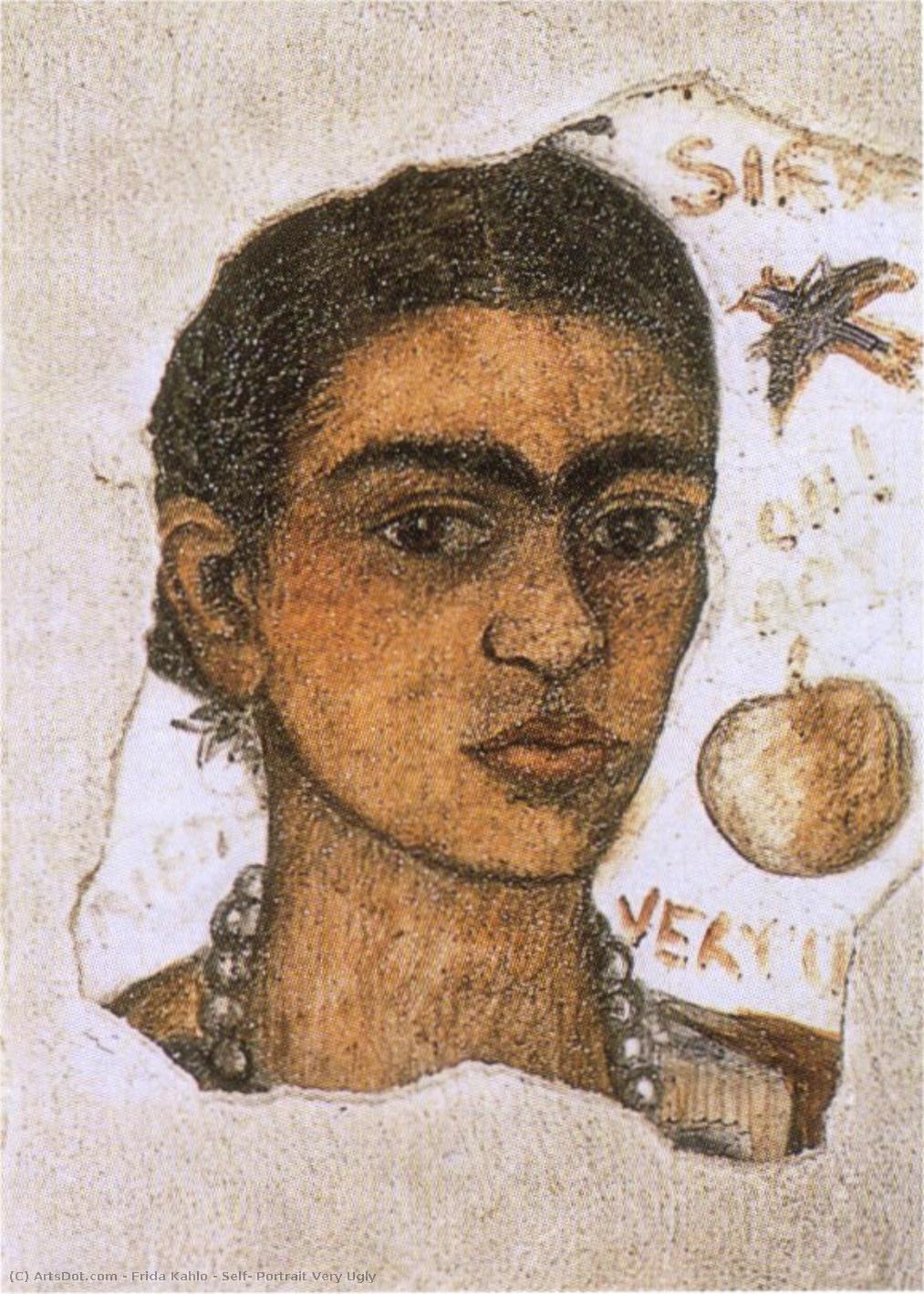
Frida Kahlo’s “Self Portrait Very Ugly,” painted in 1933, transcends mere representation; it embodies a profound exploration of identity, pain, and resilience—themes that permeate the entirety of her oeuvre. More than just an image of herself, this artwork serves as a visceral manifestation of Kahlo's internal landscape, confronting viewers with an unflinching gaze and a disconcerting honesty rarely found in portraiture.
- Subject Matter: The painting depicts Frida Kahlo herself, rendered with meticulous detail—dark hair framing her face, eyes locked directly on the viewer. This deliberate positioning underscores Kahlo’s unwavering self-awareness and invites contemplation about perception and vulnerability.
- Style & Technique: Executed in Kahlo's signature Surrealist style, “Self Portrait Very Ugly” utilizes a muted palette—primarily browns and ochres—creating an atmosphere of subdued intensity. The artist employs oil paint on canvas with thick impasto strokes, emphasizing texture and conveying the palpable weight of emotion.
Symbolism Embedded in Detail – Apples and Reflection
Beyond the central figure lies a subtle yet significant layering of symbolism. Two apples—one positioned on the right side of the canvas and another nestled at the bottom left corner—are strategically placed to disrupt any idealized notion of beauty or serenity. Apples, traditionally associated with fertility and immortality, here serve as emblems of decay and imperfection—a poignant commentary on Kahlo’s own physical limitations and psychological struggles.
- The Apples: Their inclusion speaks to Kahlo's preoccupation with mortality and the fragility of existence. They represent a stark contrast to the idealized beauty often depicted in portraiture, mirroring Kahlo’s acceptance of her own pain as an unavoidable aspect of life.
- Compositional Balance: The placement of the apples contributes to the painting’s overall balance—creating visual tension that reflects the internal conflict experienced by the artist.
Historical Context – Surrealism and Personal Narrative
Painted during Kahlo's turbulent period following her devastating accident in 1925, “Self Portrait Very Ugly” aligns itself with the broader Surrealist movement—a reaction against rational thought and a fascination with dreams and subconscious imagery. However, unlike many Surrealists who sought to explore fantastical realms, Kahlo anchors her artistic vision firmly within autobiographical experience.
“This painting is about my pain,” Kahlo famously stated, encapsulating the essence of her artistic endeavor. “It’s about me.” The artwork serves as a testament to Kahlo's ability to transform personal suffering into powerful visual narratives—a feat that continues to resonate with audiences today.
Emotional Resonance – Confrontation and Acceptance
“Self Portrait Very Ugly” commands attention not through conventional beauty but through its unflinching honesty. The artist’s gaze confronts the viewer head-on, conveying a palpable sense of vulnerability and introspection—a courageous assertion of self amidst physical hardship. Ultimately, the painting embodies Kahlo's profound acceptance of her condition—transforming pain into an instrument of artistic expression and forging a legacy as one of the most emotionally resonant portraits of the 20th century.