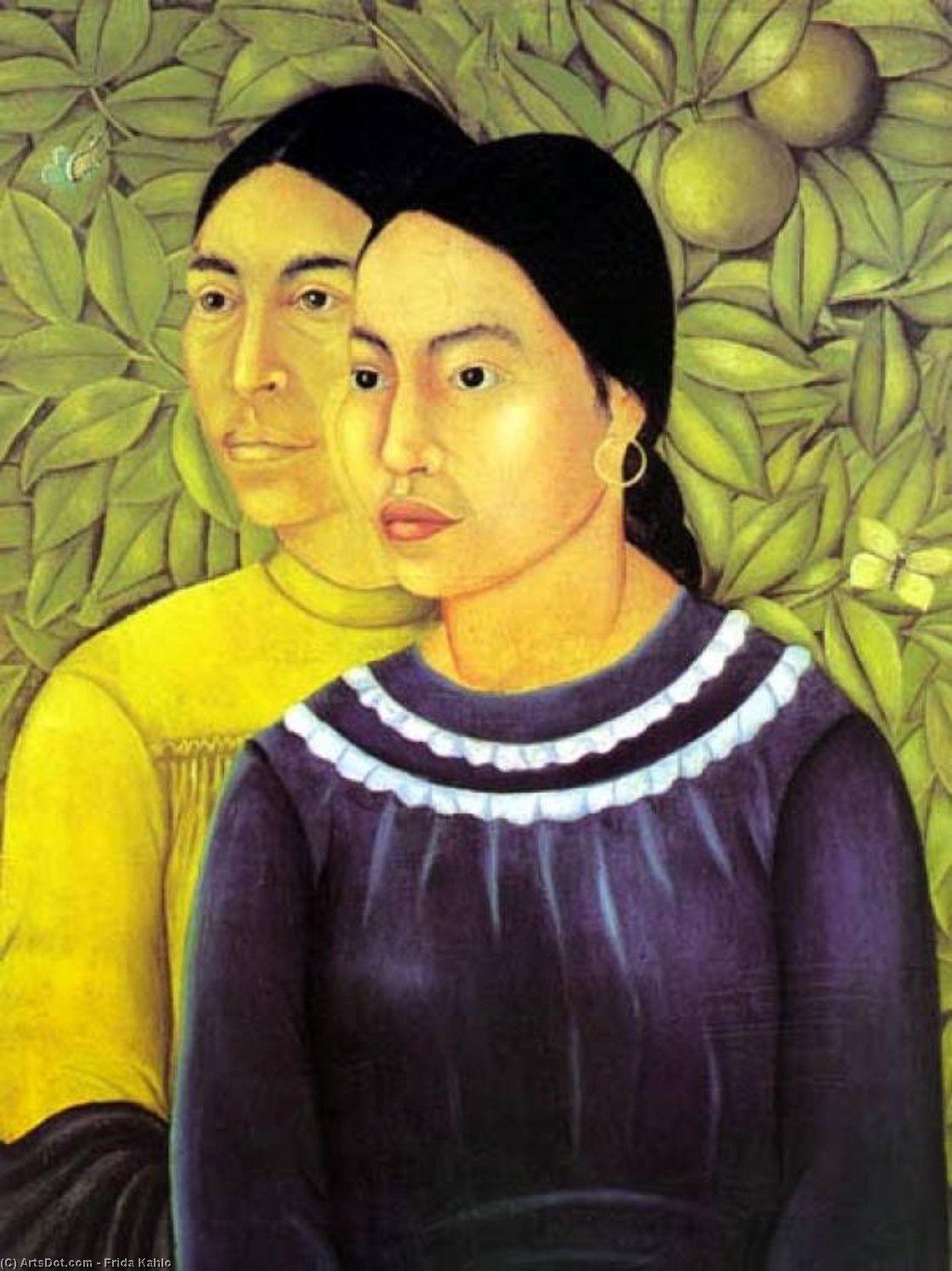
A Portrait of Resilience: Examining Frida Kahlo’s ‘The Two Fridas’
Frida Kahlo's 'The Two Fridas,' painted in 1939, stands as arguably her most celebrated work—a hauntingly beautiful exploration of duality and self-representation that continues to resonate with audiences worldwide. More than just a depiction of two figures, it’s a profound meditation on identity, trauma, and the multifaceted nature of the human psyche, rendered in Kahlo's signature surrealist style infused with elements of Mexican folk art traditions. The painting depicts Kahlo herself split into two halves—one adorned with traditional Mexican jewelry and clothing, representing her connection to her heritage and inner strength; the other dressed in European attire, symbolizing her aspirations for a life beyond physical limitations and emotional pain.
- Style & Technique: Kahlo’s meticulous brushstrokes combine realism with fantastical imagery—a hallmark of Surrealism championed by André Breton. She employed oil paints on canvas, layering textures to create an illusionistic surface that captures both the tangible and intangible aspects of her experience. The deliberate fragmentation of the figures contributes to the painting's unsettling effect, mirroring Kahlo’s internal division.
- Historical Context: Created during a period of intense personal upheaval following Kahlo’s devastating spinal fracture sustained in a bus accident—an event that profoundly impacted her physical health and psychological well-being—‘The Two Fridas’ reflects the artist's struggle to reconcile her wounded body with her unwavering spirit.
Symbolism: Layers of Meaning Within the Canvas
The symbolism embedded within ‘The Two Fridas’ is rich and complex. The two Frida figures represent opposing aspects of Kahlo’s personality—the idealized Frida embodies femininity, beauty, and cultural pride, while the wounded Frida confronts pain, vulnerability, and mortality. The severed head on the left symbolizes Kahlo's rejection of her past trauma and her desire to escape its grip; the other Frida holds a miniature portrait of Diego Rivera, her tumultuous relationship with whom served as another source of emotional anguish. Notably, the exposed hearts symbolize Kahlo’s willingness to confront her deepest fears and vulnerabilities—a courageous act of self-awareness that underscores the painting's central message.
- Color Palette: Kahlo utilized a muted color palette dominated by earthy tones—browns, ochres, and reds—to convey a sense of melancholy and introspection. However, splashes of vibrant hues—particularly crimson—highlight key symbolic elements, intensifying their emotional impact.
Emotional Resonance: A Window Into Kahlo’s Soul
‘The Two Fridas’ transcends mere visual representation; it communicates a visceral understanding of human suffering and resilience. The painting compels viewers to confront uncomfortable truths about identity, trauma, and the complexities of emotional experience—provoking contemplation on themes of loss, healing, and self-acceptance. Kahlo's unflinching gaze captures the essence of her inner turmoil—a testament to her artistic courage and her ability to transform personal pain into enduring beauty.
- Interior Designer’s Perspective: For interior designers seeking inspiration, ‘The Two Fridas’ offers a powerful visual metaphor for balancing strength and vulnerability within a space. Incorporating earthy tones alongside pops of color—perhaps mirroring Kahlo's palette—can create an atmosphere that evokes contemplation and emotional depth.
Conclusion: An Enduring Legacy of Artistic Integrity
Frida Kahlo’s ‘The Two Fridas’ remains a cornerstone of Surrealist art history—a masterpiece that continues to captivate audiences with its haunting beauty and profound psychological insight. Its enduring legacy lies not only in its artistic innovation but also in its unwavering commitment to confronting difficult truths about the human condition—a message conveyed with breathtaking artistry and unforgettable emotional resonance.