untitled (829)

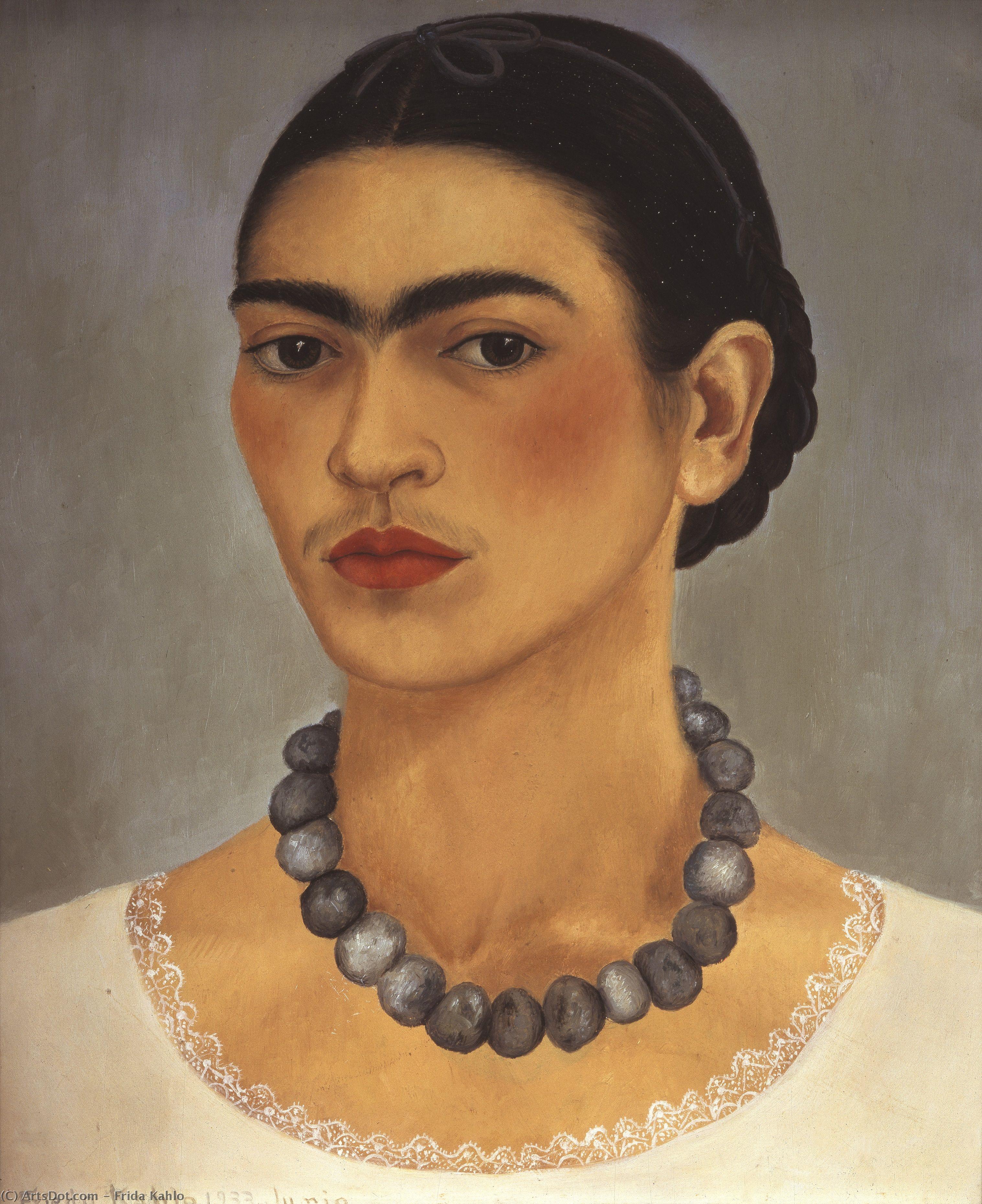
Bold Frida Kahlo’s striking black and white portrait captures a woman adorned with a mustache and necklace, embodying resilience and introspection—a timeless masterpiece reflecting the artist's poignant exploration of identity and pain.


Frida Kahlo (1907 - 1954)

Explore Frida Kahlo's iconic art (1907-1954): self-portraits, surrealism & Mexican heritage. Discover themes of identity, pain, resilience & her feminist legacy.

A Portrait of Resilience: Exploring Frida Kahlo’s Untitled (829)

  • Subject Matter: This striking portrait depicts a woman adorned with a mustache, a bold stylistic choice that immediately draws attention. Her gaze is unwavering, directed squarely at the viewer—a deliberate act of confronting vulnerability and asserting presence within the confines of the canvas.
  • Style: Kahlo’s signature style blends Surrealism with Mexican Folk Art traditions. The painting eschews conventional realism, prioritizing emotional expression over precise representation. Instead of striving for photographic accuracy, it leans into dreamlike qualities and symbolic imagery—a hallmark of Surrealist aesthetics.

Technique: Charcoal on Canvas – A Testament to Precision and Texture

  • Medium: Frida Kahlo executed this artwork using charcoal on canvas, a technique known for its ability to capture subtle tonal variations and create rich textures. The artist’s meticulous application of charcoal lends an immediacy and physicality to the image, mirroring the emotional intensity conveyed.
  • Brushwork: While primarily utilizing charcoal, Kahlo subtly incorporates brushstrokes—likely in shades of gray—to delineate contours and add depth to the portrait. This blending of mediums contributes to the overall visual harmony and enhances the textural quality of the piece.

Historical Context – Navigating Pain and Identity Within Mexican Modernism

  • Era: Created during Kahlo’s prolific artistic output—spanning roughly 1950-1954—this painting reflects the broader context of Mexican Modernism. The movement sought to redefine artistic conventions while simultaneously engaging with indigenous traditions and exploring themes of national identity.
  • Personal Narrative: Kahlo's life experiences profoundly influenced her art, particularly following a debilitating bus accident in 1925 that resulted in severe injuries and lifelong pain. This portrait serves as a poignant reminder of her unwavering spirit—a refusal to succumb to adversity and an assertion of selfhood despite physical limitations.

Symbolism – The Mustache, Necklace, and the Eye – Layers of Meaning Beyond Appearance

  • The Mustache: The prominent mustache is arguably the most arresting element of this portrait. Symbolically, it represents masculinity—a deliberate juxtaposition against the feminine figure—and perhaps a commentary on societal expectations surrounding gender roles during Kahlo’s time.
  • The Necklace: The necklace encircling her neck adds an air of elegance and sophistication to the composition. It could symbolize protection, remembrance, or even a connection to ancestral heritage—elements frequently explored in Mexican Folk Art.
  • The Eye: Kahlo’s gaze directly confronting the viewer is laden with significance. The eye serves as a window into her inner world—a symbol of awareness, introspection, and resilience—reflecting her unwavering determination to confront pain and maintain self-possession.

Emotional Impact – A Reflection of Strength Amidst Suffering

  • Mood: The monochrome palette contributes to a contemplative mood, emphasizing the emotional core of the artwork. It invites viewers to contemplate themes of vulnerability, courage, and perseverance—qualities that resonate deeply within Kahlo’s oeuvre.
  • Legacy: “Untitled (829)” stands as a testament to Frida Kahlo's ability to transform personal trauma into enduring artistic expression. Its evocative imagery continues to inspire admiration for its boldness, honesty, and profound psychological depth—a timeless masterpiece capturing the essence of resilience and self-discovery.