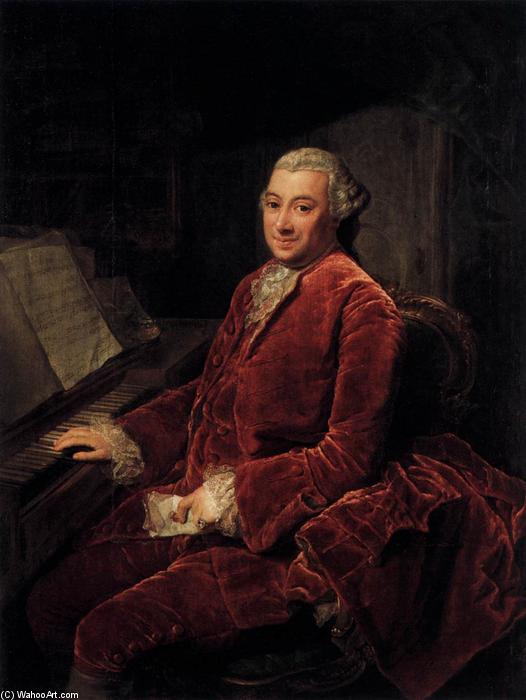
Explore Georg David Matthieu's masterpiece 'The Wife of Joachim Ulrich Giese,' a stunning Rococo portrait capturing elegance and detail. Discover its history, artistic style, and significance in European art.
The Aura of Enlightenment: A Rococo Portrait
To gaze upon this portrait of Joachim Ulrich Giese is to step directly into the gilded salons of 18th-century Berlin. Painted in 1762 by Georg David Matthieu, the work transcends a mere likeness; it is a carefully constructed tableau of intellectual refinement and aristocratic grace. The very air surrounding the subject seems imbued with the delicate exuberance characteristic of the Rococo period. Everything about the composition whispers of an era that celebrated wit, leisure, and cultivated taste. Notice how the artist has captured not just the man, but his entire social standing—a confluence of wealth, learning, and fashionable sensibility.
Mastery in Technique and Detail
Matthieu’s technical prowess is immediately apparent upon closer inspection. The handling of light and shadow is nothing short of masterful; it sculpts the figure from the surrounding darkness, granting a profound sense of three-dimensionality that breathes life into the canvas. Observe the exquisite rendering of the red velvet coat, its rich texture contrasting sharply with the pristine white lace cuffs. These details are not incidental; they are meticulously painted signifiers of status. Furthermore, the subtle modeling of flesh and fabric speaks to an artist deeply versed in the traditions of portraiture, allowing the viewer's eye to wander across surfaces that seem almost tactile.
Symbolism of Study and Contemplation
The setting itself contributes significantly to the narrative weight of the piece. Seated at a desk with an open book before him, Joachim Ulrich Giese is presented as a man of intellect. The book serves as a potent symbol—a quiet testament to curiosity, scholarship, and the pursuit of knowledge that defined the enlightened gentleman. Yet, his gaze, directed thoughtfully off to the side rather than meeting the viewer's eye, suggests a mind preoccupied with thoughts beyond the immediate moment. It invites us, the observers, into a shared space of contemplation, making the portrait deeply engaging on an emotional level.
A Touch of Rococo Elegance for Modern Spaces
For those seeking to infuse a room with historical depth and unparalleled elegance, this reproduction offers a breathtaking focal point. The inherent lightness and sophisticated drama of the Rococo style—that perfect balance between formality and playful artistry—makes it versatile enough to grace both a formal drawing-room or a library dedicated to quiet study. Owning a piece echoing Matthieu’s vision is not merely decorating; it is curating an atmosphere steeped in history, refinement, and enduring artistic beauty.