George Edmund Butler: Bridging Worlds Through Impressionistic Landscapes
George Edmund Butler (1872-1936) stands as a testament to the transformative power of artistic ambition and the serendipitous connections forged across continents. Born in Southampton, England, his journey began amidst the Victorian era’s burgeoning artistic fervor—a period characterized by meticulous observation and an unwavering dedication to capturing the essence of natural beauty.
His relocation to Wellington, New Zealand, in 1883, marked a pivotal moment not only for his personal life but also for his artistic development. Surrounded by a vibrant community eager to embrace new perspectives, Butler honed his skills and cultivated an appreciation for the unique landscapes of Australasia—a fascination that would profoundly influence his oeuvre.
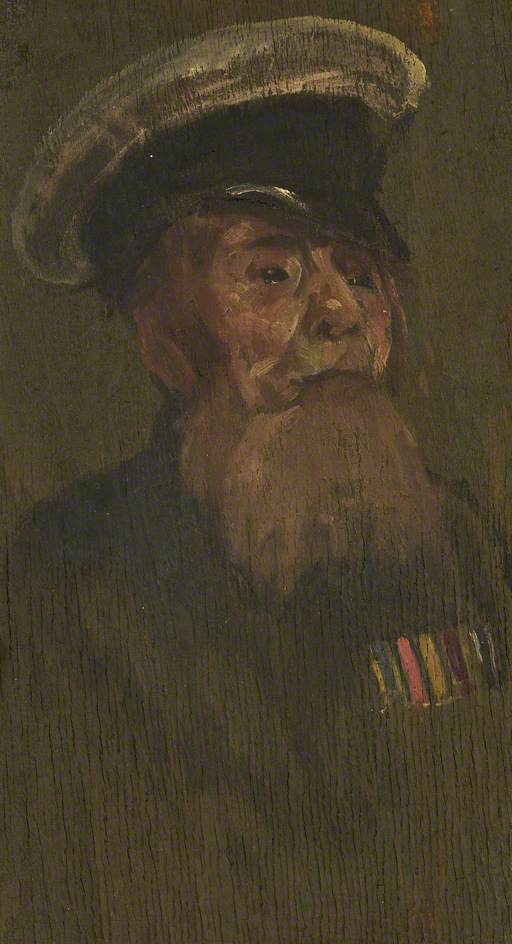
Butler’s distinctive style leaned heavily towards Impressionism, mirroring the broader trends shaping European art at the time. Unlike the academic realism championed by many contemporaries, he prioritized conveying fleeting moments of light and color, prioritizing atmosphere over precise detail. This approach is vividly exemplified in “W. Short, RMLI,” a captivating landscape painting completed in 1920.
The artwork itself depicts a serene vista—likely the Dart Estuary region of Devon—characterized by hazy blues and greens that coalesce into an ethereal glow. Butler’s masterful brushstrokes capture the subtle nuances of light filtering through foliage, creating an illusion of depth and movement. The muted palette contributes to the painting's contemplative mood, inviting viewers to immerse themselves in the tranquility of the natural world.
Beyond its aesthetic qualities, “W. Short, RMLI” carries symbolic resonance. Landscapes frequently served as vehicles for conveying ideas about spirituality and contemplation—themes prevalent throughout Victorian art. The artist’s deliberate use of color and texture underscores these concepts, prompting reflection on the relationship between humanity and nature.
Butler's contribution to New Zealand’s artistic heritage extends beyond individual paintings; he played a crucial role in documenting the experiences of soldiers serving during World War I. As an official war artist for the New Zealand Expeditionary Force (NZEF), Butler tirelessly traveled throughout Europe, capturing scenes of battle and conveying the emotional realities faced by young men fighting for their country.
His artistic legacy continues to inspire collectors and interior designers alike—those who appreciate the beauty of Impressionistic landscapes and recognize Butler’s unwavering commitment to portraying the human condition with sensitivity and grace. Reproductions of “W. Short, RMLI” offer a window into a bygone era, allowing viewers to experience firsthand the evocative power of Butler's vision.
- Artist: George Edmund Butler
- Birth Year: 1872
- Death Year: 1936
- Birth City: Southampton
- Birth Country: United Kingdom
Further exploration into Butler’s artistic output reveals a prolific artist who produced numerous landscapes and portraits, demonstrating his versatility and unwavering dedication to capturing the beauty of both British and New Zealand environments.