George Romney’s Portrait of Charles Lennox III
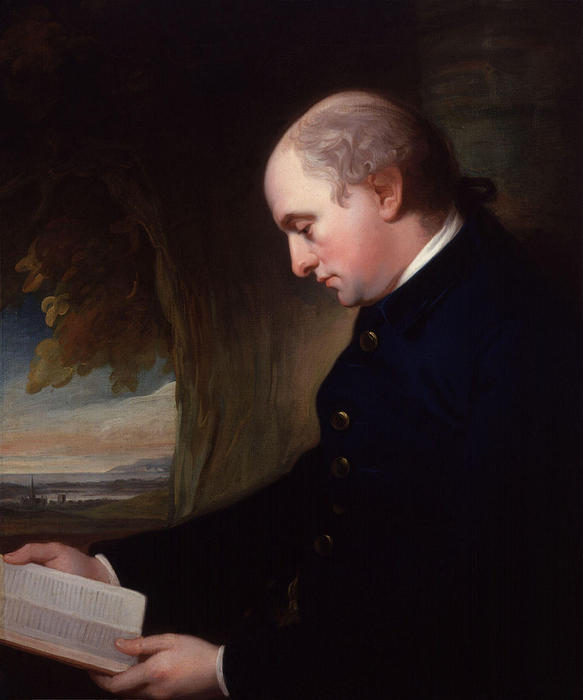
Charles Lennox III, 3rd Duke of Richmond and Lennox, stands as a testament to Georgian portraiture—a genre defined by elegance, restraint, and an unwavering focus on capturing the sitter's character. Painted between 1775 and 1777 by George Romney, this remarkable artwork resides within the National Portrait Gallery’s collection in London, offering visitors a glimpse into the life of a prominent aristocratic figure during Britain’s Enlightenment era. Romney’s masterful technique—characterized by luminous glazing and subtle tonal variations—creates an atmosphere of dignified composure that perfectly reflects Lennox's demeanor.
- Subject Matter: The portrait depicts Charles Lennox III, a descendant of Robert Dudley Earl Leicester, who served as Lord Chamberlain to King George II. His gaze downward conveys seriousness and introspection, hinting at the burdens of leadership and familial responsibility.
- Style & Technique: Romney’s style aligns with Rococo influences but leans towards Neoclassical ideals—a deliberate choice reflecting the intellectual currents of his time. He employed a layered approach to painting, applying thin washes of color over preparatory sketches to build up tonal depth and achieve remarkable realism. The use of chiaroscuro – dramatic contrasts between light and dark – enhances the portrait’s expressive power.
- Historical Context: Lennox's position at court underscored the importance of lineage and social standing in Georgian society. Romney skillfully portrays this status through Lennox’s attire—a richly embroidered waistcoat and jacket indicative of aristocratic wealth and taste—and the inclusion of Chichester Cathedral as a backdrop, symbolizing faith and tradition within the Duke’s family heritage.
- Symbolism: The downward gaze is not merely posture; it speaks to contemplation and perhaps melancholy – emotions prevalent in portraits of men of influence during this period. Romney's careful observation of Lennox’s facial expressions captures nuances that convey inner thoughts and feelings, elevating the portrait beyond a mere likeness into an exploration of human psychology.
- Emotional Impact: The painting evokes a sense of quiet dignity and contemplative seriousness. Romney’s ability to portray Lennox with empathy and subtlety ensures that viewers are drawn into his psychological landscape—a powerful reminder of the artist's skill in conveying emotion through visual representation.
This artwork exemplifies Romney’s dedication to capturing not just appearance but also inner character, cementing his place as one of Britain’s most celebrated portrait painters. Its enduring appeal lies in its ability to transport us back to a pivotal moment in British history and to offer a profound insight into the complexities of human experience. A reproduction would bring this captivating image into any home or gallery space, celebrating Romney's legacy and the grandeur of Georgian aristocracy.