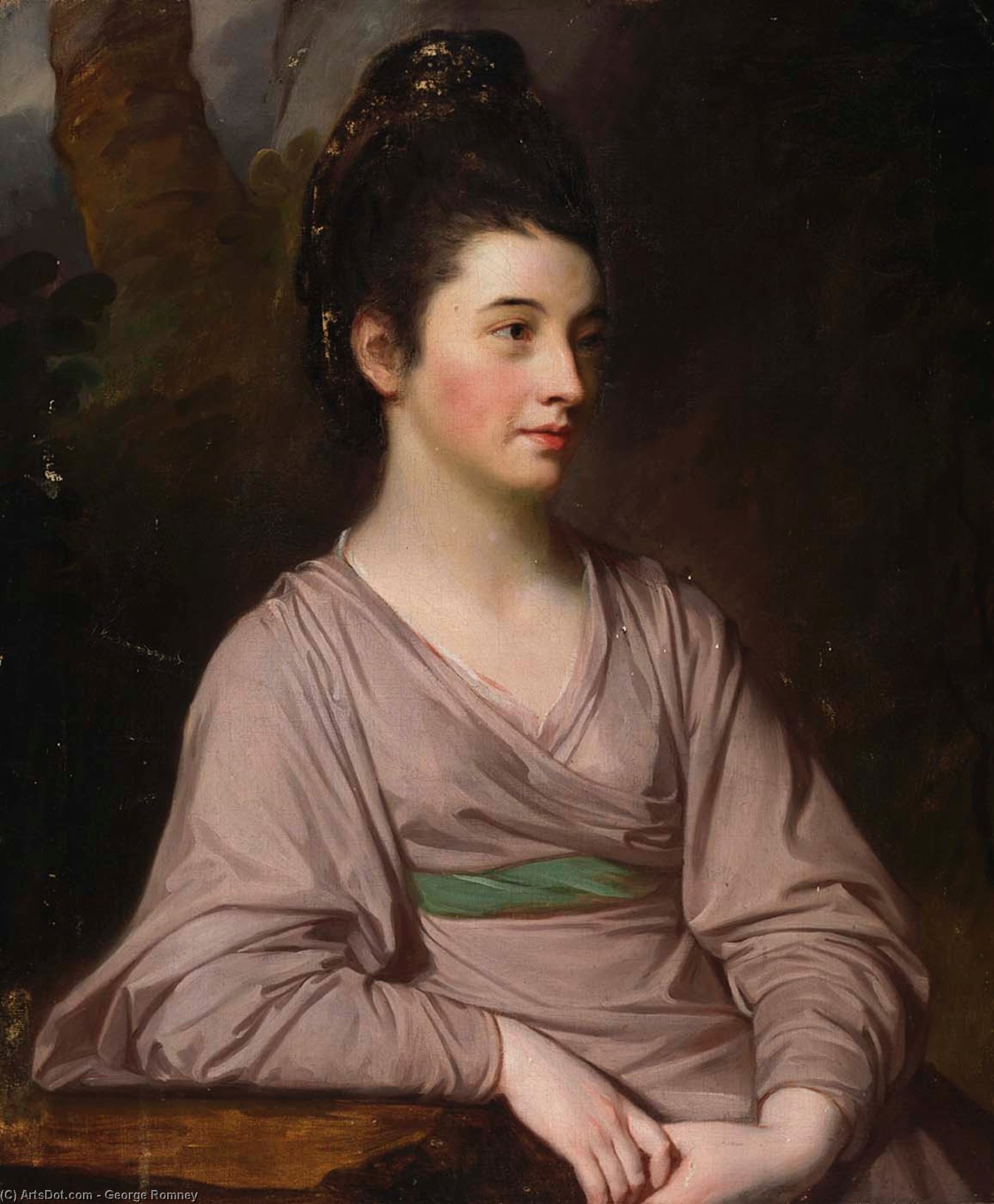
Experience the serene beauty of George Romney’s Miss Kirkpatrick, a neoclassical masterpiece capturing a woman's gaze and delicate pink dress against a tranquil backdrop – bring this iconic portrait home.
Discover George Romney (1734-1802), the celebrated British portrait painter of high society! Explore his elegant style, captivating portraits & muse, Emma Hamilton. Shop reproductions now!
A Portrait of Graceful Dignity: Exploring George Romney’s Miss Kirkpatrick
George Romney's Miss Kirkpatrick stands as a testament to the Neoclassical ideal – a beautifully rendered depiction of feminine composure and understated elegance that continues to captivate viewers centuries later. Painted in 1772, this oil on canvas masterpiece resides within the Smithsonian American Art Museum’s collection, offering an unparalleled opportunity to immerse oneself in the artistic sensibilities of Regency England. Romney's skill lies not merely in capturing a likeness but in conveying a profound sense of inner serenity and moral virtue, hallmarks of his era’s aesthetic concerns.
The Style and Technique of Romantic Restraint
Romney’s approach distinguishes itself from the flamboyant Rococo style prevalent before him. Instead of elaborate ornamentation and theatrical poses, he favored a deliberate simplicity, prioritizing clarity of form and subtle tonal gradations. His brushstrokes are remarkably delicate, meticulously blending colors to achieve an ethereal luminosity that softens the contours of Miss Kirkpatrick's figure. The artist’s mastery is evident in his ability to render textures with remarkable accuracy – from the smooth silk of her dress to the soft sheen of her hair, creating a palpable illusion of reality. This technique reflects the broader influence of Neoclassical philosophy, which championed reason and restraint as antidotes to excess.
Historical Context: The Rise of Domestic Portraiture
Miss Kirkpatrick embodies the burgeoning trend toward domestic portraiture that flourished during Romney’s lifetime. Unlike grand ceremonial portraits commissioned for monarchs or nobility, these paintings focused on portraying individuals within their everyday surroundings – often in intimate interiors—celebrating familial bonds and embodying ideals of refined virtue. The painting speaks to a cultural preoccupation with portraying beauty and grace within the domestic sphere, reflecting societal values concerning femininity and moral character. Romney’s patrons were typically wealthy families eager to commemorate their children and wives, solidifying his position as one of Britain's most respected artists.
Symbolism: Color and Gesture – Expressions of Inner Harmony
The color palette employed in Miss Kirkpatrick contributes significantly to its emotional impact. The dominant hues—pale pinks and greens—evoke feelings of tranquility and refinement, mirroring the idealized vision of womanhood prevalent during the period. Furthermore, Miss Kirkpatrick’s gaze directly engages the viewer, conveying a sense of confidence and self-assuredness – qualities considered desirable in women of noble birth. Her posture exudes grace and dignity, reinforcing the overarching theme of moral virtue championed by Neoclassical artists like Romney himself. The green ribbon adorning her hair symbolizes fertility and renewal, subtly hinting at the promise of motherhood—a common aspiration within Victorian society.
A Legacy Enduring Beauty: Why Miss Kirkpatrick Remains Relevant Today
Romney’s Miss Kirkpatrick transcends its historical context, continuing to resonate with audiences today due to its timeless portrayal of feminine grace and inner harmony. Its meticulous technique and understated elegance serve as an inspiration for interior designers seeking to infuse their spaces with sophistication and tranquility. Moreover, the painting's exploration of moral virtue—a concept that remains pertinent in contemporary discussions about ethics and values—underscores Romney’s enduring artistic significance. Owning a high-quality reproduction allows one to appreciate not only the beauty of this iconic artwork but also the profound cultural insights it offers into the spirit of Regency England.