Born in Dalton-in-Furness, Lancashire, George Romney ascended to prominence as Britain’s foremost portrait painter during the Georgian era. His journey from cabinet maker's son to celebrated artist is marked by unwavering ambition and innate talent—fueled by an apprenticeship with Christopher Steele and a relocation to London.
Discover George Romney (1734-1802), the celebrated British portrait painter of high society! Explore his elegant style, captivating portraits & muse, Emma Hamilton. Shop reproductions now!
Explore art & history at the Worcester Art Museum! Discover Roman mosaics, Japanese prints, and an impressive arms collection – a vibrant cultural hub in Massachusetts.
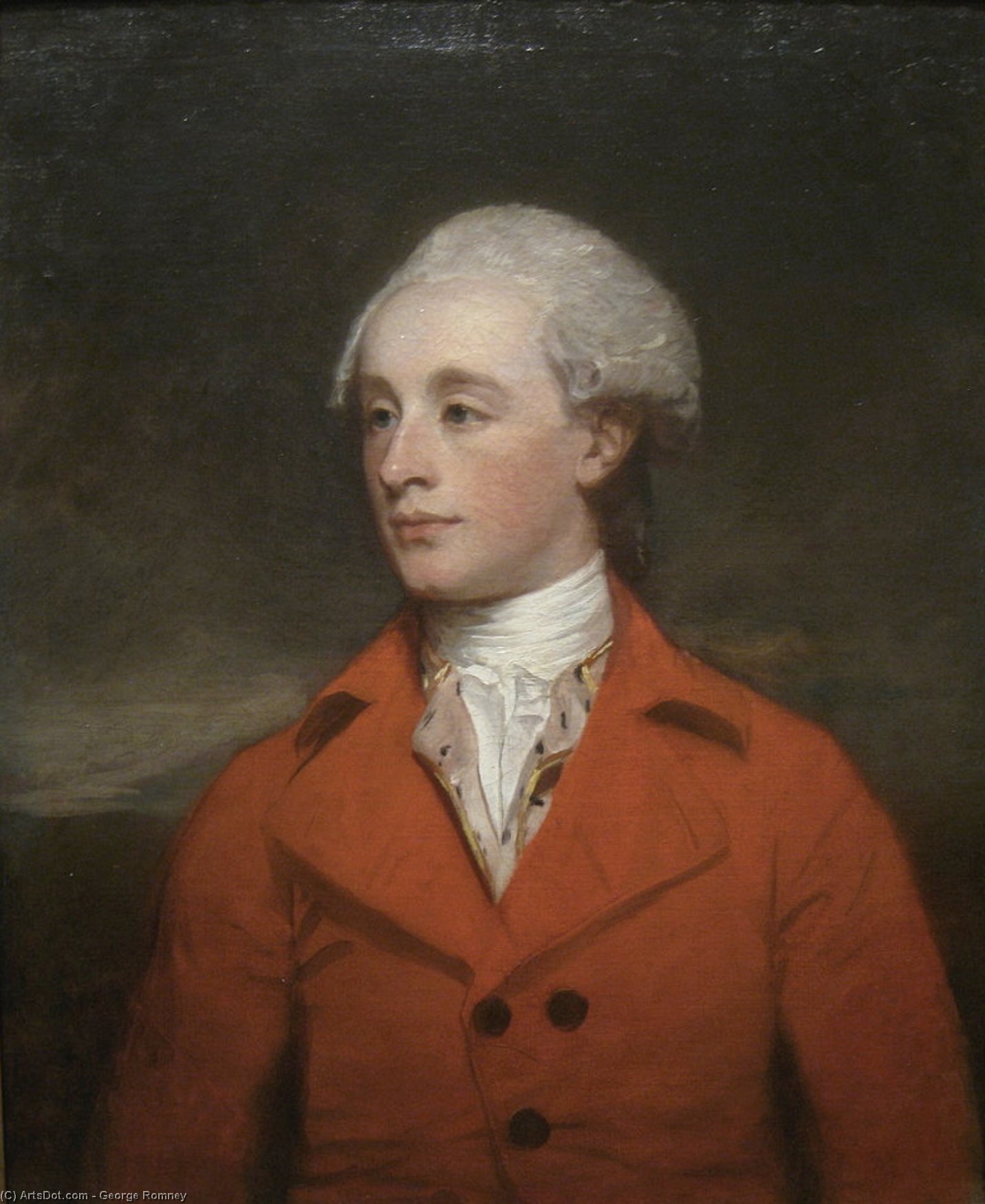
A Window Into Georgian Elegance: Examining George Romney’s Portrait of Mr. Morley
George Romney's "Portrait of Mr. Morley," completed circa 1763, stands as a quintessential exemplar of Neoclassical Realism—a style that captured the spirit of Enlightenment Britain and cemented Romney’s reputation as one of the era’s foremost portrait painters. More than just a likeness of a gentleman, this artwork embodies a carefully constructed visual narrative designed to convey status, intellect, and refined sensibilities. Its enduring appeal lies not only in its technical mastery but also in its ability to transport viewers back to a pivotal moment in British cultural history.
Composition & Technique: Romney’s Delicate Hand
Romney's approach was characterized by meticulous observation and painstaking execution. He employed a layered glazing technique—applying thin washes of color over subsequent layers—to achieve remarkable luminosity and depth. The artist skillfully utilized subtle tonal variations to sculpt the figure, emphasizing musculature and conveying an impression of dignified repose. Noticeably absent are dramatic contrasts of light and shadow; Romney favored diffused illumination, prioritizing the nuanced rendering of skin tones and fabrics. This deliberate restraint contributes to a sense of serenity and reinforces the portrait’s contemplative mood. The composition itself adheres to established conventions for aristocratic portraits—a three-quarter pose facing slightly rightward, allowing for direct engagement with the viewer while maintaining an air of formality.
Color Palette & Symbolism: Crimson Dignity
The color palette is dominated by a striking crimson hue – specifically, the scarlet waistcoat worn by Mr. Morley – which immediately establishes his social standing and speaks to the prestige associated with military or political patronage. This bold color is tempered by creamy whites in the shirt collar and powdered wig, symbolizing purity and intellectual aspiration. Romney’s masterful blending of pigments creates subtle gradations within skin tones, capturing the delicate nuances of human anatomy. Beyond mere representation, the colors themselves carry symbolic weight; crimson represents courage and authority, reflecting the virtues expected of a gentleman of distinction during the Georgian period. The muted earth tones underpinning the composition lend an understated elegance to the overall aesthetic.
Historical Context: Romney’s Patronage & Georgian Society
Romney flourished during the reign of George III, a time marked by significant social and political upheaval—yet also by a fervent embrace of classical ideals and artistic innovation. He gained considerable renown through commissions from wealthy aristocrats and intellectuals, including Emma Hamilton, whose scandalous affair captivated London society. Romney’s portraits served as visual emblems of power and influence, documenting the lives of prominent figures shaping Britain's cultural landscape. The artwork reflects the prevailing obsession with decorum and refinement—values championed by the Enlightenment thinkers who profoundly impacted artistic sensibilities.
Emotional Resonance: Quiet Confidence & Timeless Beauty
Ultimately, “Portrait of Mr. Morley” transcends its formal conventions to evoke a palpable sense of quiet confidence and understated beauty. Romney’s ability to capture not only physical likeness but also psychological character—a gaze imbued with thoughtfulness and dignity—is remarkable. The painting invites contemplation, prompting viewers to consider the subject's inner life alongside his outward appearance. Its enduring appeal stems from its timeless quality—a testament to Romney’s artistic vision and a captivating glimpse into the opulent world of Georgian Britain. This piece continues to inspire admiration for its technical brilliance and its profound exploration of human emotion.