Discover George Romney (1734-1802), the celebrated British portrait painter of high society! Explore his elegant style, captivating portraits & muse, Emma Hamilton. Shop reproductions now!
Explore the Hermitage Museum in St. Petersburg! Discover masterpieces from Renaissance to modern times within stunning historic palaces – a cultural journey awaits.
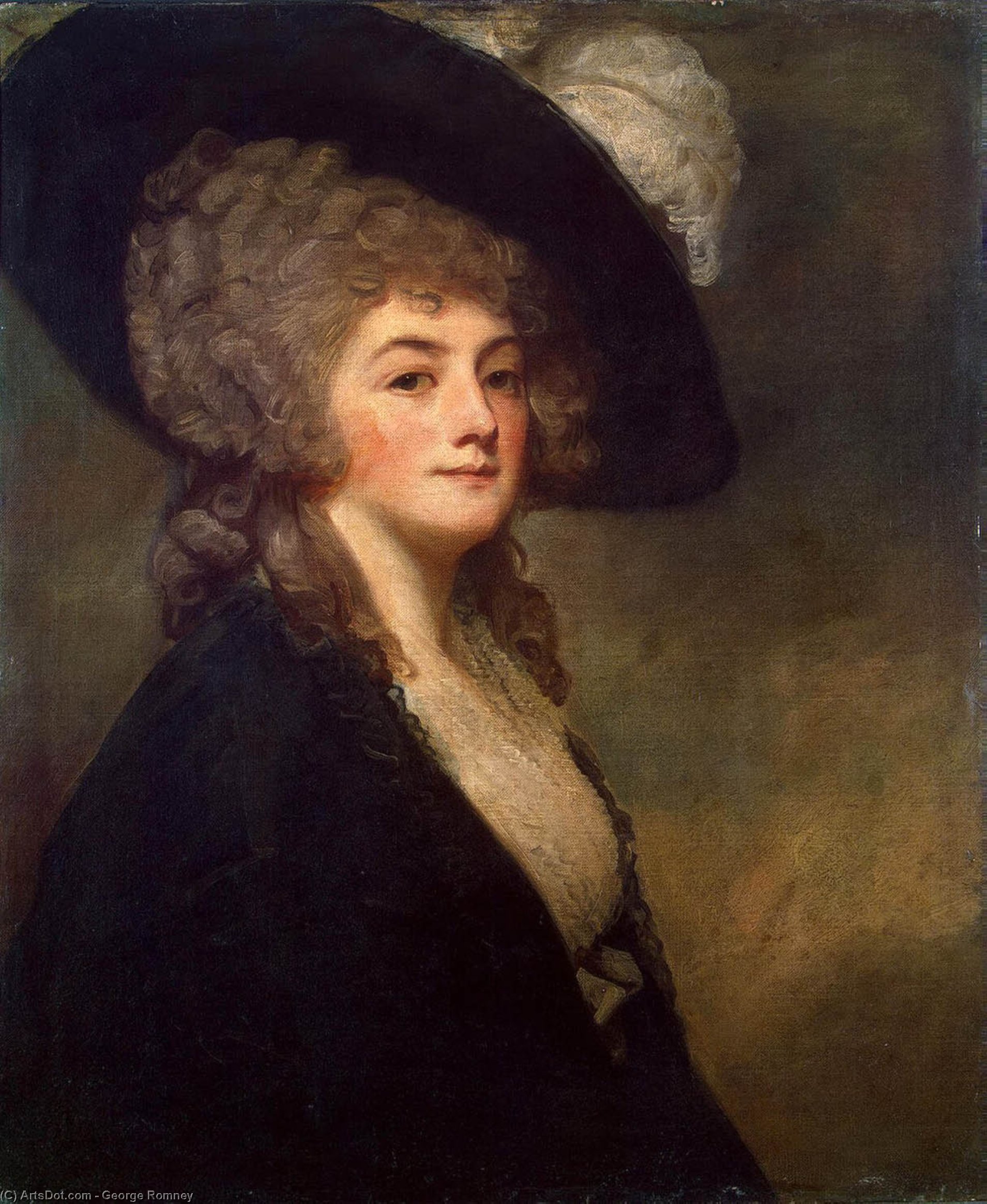
A Window into Georgian Elegance: Exploring George Romney’s Portrait of Mrs Harriet Greer
The painting “Portrait of Mrs Harriet Greer,” executed by George Romney in 1781, stands as a quintessential emblem of Georgian portraiture—a genre defined by its meticulous attention to detail and its profound exploration of social status and inner character. Measuring 76 x 64 cm and housed within the esteemed Hermitage Museum in St. Petersburg, Russia, this canvas offers more than just a visual representation; it’s a glimpse into the refined sensibilities of British aristocratic life during a period marked by burgeoning Enlightenment ideals and an obsession with appearances.
The Artist's Vision: Romney's Mastery of Technique
George Romney (1734-1802), born in Dalton-in-Furness, Lancashire, possessed an extraordinary aptitude for capturing the essence of his subjects—a talent honed through formative apprenticeships and fueled by a fervent admiration for Parisian artistic conventions. His training under Christopher Steele instilled him with foundational skills in portraiture, emphasizing realism alongside compositional elegance. Romney’s distinctive style prioritized soft brushstrokes and subtle tonal gradations, creating an illusionistic depth that transcends mere surface depiction. He skillfully employed chiaroscuro—the dramatic interplay of light and shadow—to sculpt the figure of Mrs Harriet Greer, highlighting her facial features and conveying a sense of dignified composure. The artist's meticulous observation of anatomy combined with his masterful manipulation of color resulted in an image imbued with palpable warmth and luminosity.
Historical Context: Reflecting the Age of Reason
The portrait emerged during the reign of George III, a pivotal moment in British history characterized by intellectual ferment and social reform. The Enlightenment championed reason and empirical observation—values that profoundly influenced artistic practice. Romney’s depiction aligns perfectly with this cultural climate, reflecting the aristocratic preoccupation with cultivating virtue and projecting an aura of refinement. Mrs Harriet Greer herself represents a woman of considerable influence within her social circle, embodying the ideals of feminine grace and intellectual curiosity prevalent during the era. The inclusion of a feather adorning Mrs Greer's hat serves as a symbolic gesture—a visual shorthand for status and aristocratic distinction, referencing the elaborate ornamentation favored by the upper classes.
Symbolism Beyond Appearance: Layers of Meaning
Beyond its surface beauty lies a wealth of symbolic significance. Romney’s careful positioning of Mrs Harriet Greer—facing the viewer with direct gaze—is deliberate, conveying confidence and engagement. Her attire—a luxurious gown embellished with intricate embroidery—underscores her social standing and speaks to the importance placed upon outward presentation during Georgian society. The serene expression on her face suggests inner tranquility and reflects the Enlightenment’s emphasis on cultivating moral virtue. Furthermore, the subtle shading around her eyes hints at contemplation and intellectual depth, hinting at a mind preoccupied with matters beyond mere superficial concerns.
Emotional Resonance: Capturing Inner Grace
Ultimately, “Portrait of Mrs Harriet Greer” transcends its formal conventions to evoke a powerful emotional response. Romney’s masterful technique succeeds in conveying not only Mrs Greer's physical appearance but also her inner character—a woman radiating dignity and grace. The painting invites contemplation on themes of beauty, status, and the pursuit of intellectual enlightenment. It remains an enduring testament to Romney’s artistic genius and a captivating window into the opulent world of Georgian aristocracy. Its luminous palette and delicately rendered textures continue to inspire admiration and offer invaluable insight into the aesthetic sensibilities of its time.