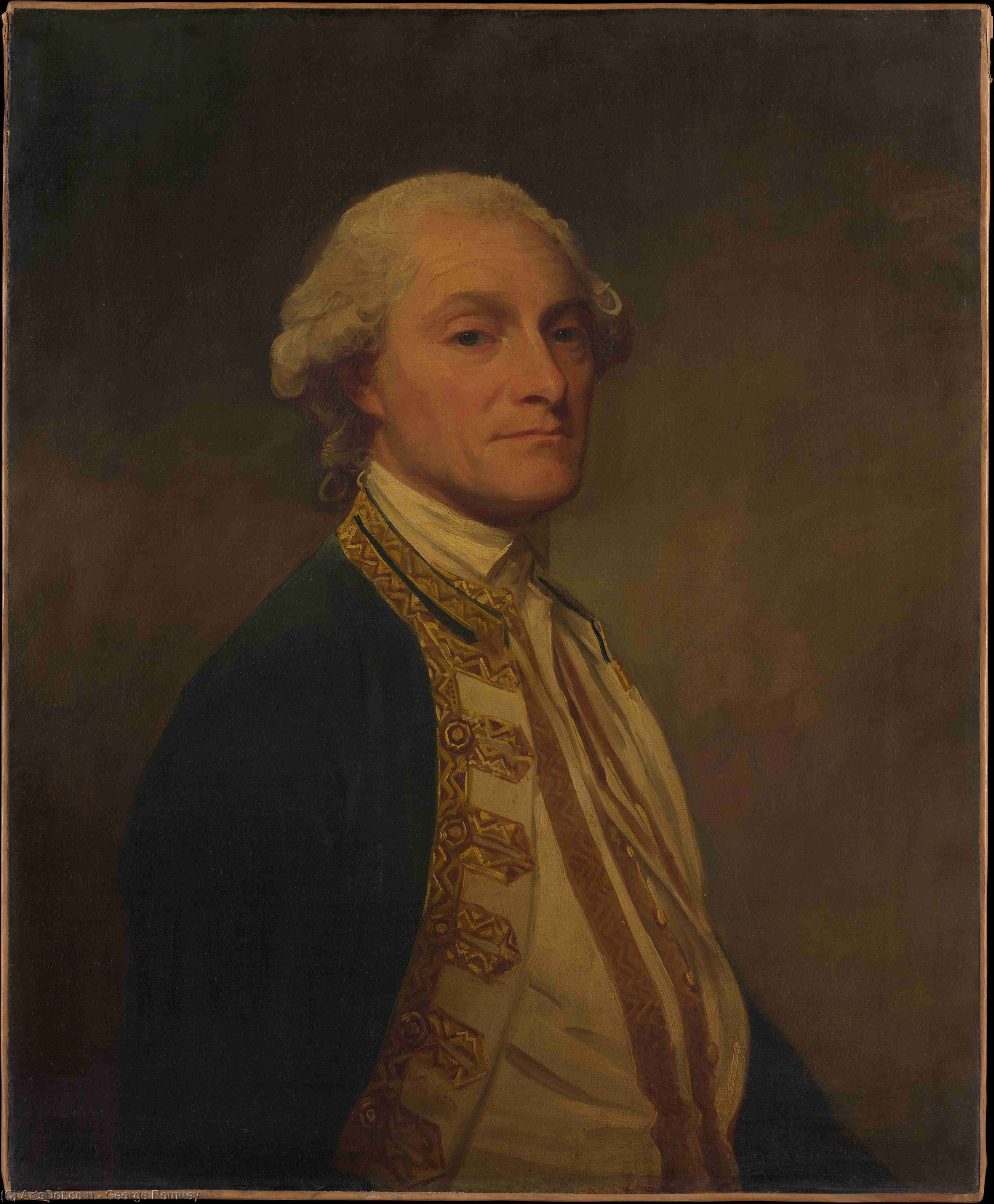
Capturing the quiet dignity of Georgian elegance, George Romney's 1782 oil portrait of Sir Chaloner Ogle masterfully blends psychological depth with refined sophistication, inviting you to explore this timeless masterpiece.
Discover George Romney (1734-1802), the celebrated British portrait painter of high society! Explore his elegant style, captivating portraits & muse, Emma Hamilton. Shop reproductions now!
Explore The Metropolitan Museum of Art: 5,000 years of art from around the world! Discover masterpieces, ancient artifacts & immersive exhibitions – a global art destination awaits.
A Window Into Georgian Elegance
The Metropolitan Museum of Art's collection offers glimpses into pivotal moments in artistic history, and few portraits resonate with the quiet dignity and refined sophistication of George Romney’s depiction of Sir Chaloner Ogle, 1st Baronet. Painted in 1782, this artwork transcends mere likeness; it embodies the spirit of its time—a period characterized by burgeoning optimism following the relative stability of the Napoleonic Wars and fueled by a flourishing commercial landscape. Romney's masterful execution captures not just Sir Chaloner’s physical appearance but also his inner character, reflecting the values prized within Georgian society. The subject, presented with a calm composure, gazes at the viewer through a lens of aristocratic poise, his attire suggesting the gravity of a gentleman or military officer from an era of profound social transition.
The Masterful Hand of George Romney
Born in Dalton-in-Furness in 1734, George Romney defied expectations for a craftsman's son, embarking on an artistic journey that would solidify his place among Britain’s most celebrated portrait painters. His formative years were spent honing skills under Christopher Steele, a Parisian influence that instilled him with the principles of European academic art—realism and meticulous observation—a cornerstone of his distinctive style. Unlike many contemporaries preoccupied with grand narratives or dramatic poses, Romney focused on capturing subtle nuances of expression and conveying an aura of calm composure. This dedication to psychological portraiture foreshadowed the Romantic movement’s emphasis on emotion and subjective experience, marking him as a transitional figure between Neoclassicism and its successor.
Technique and Textural Brilliance
Romney’s technique exemplifies the precision demanded by his era. Executed in oil on canvas, he employed layering glazes—thin translucent washes of pigment—to build up tonal depth and luminosity. This painstaking process allowed him to achieve remarkable textural detail, particularly evident in the interplay between the crisp white of the shirt and the heavy, dark weight of the black coat. The artist's ability to manipulate light creates a sense of three-dimensional presence that breathes life into the canvas. For collectors and interior designers, such a piece offers more than just visual beauty; it provides a profound sense of history and depth. A high-quality reproduction of this work brings with it the same luminous quality and sophisticated atmosphere, making it an ideal centerpiece for spaces that celebrate classical elegance and timeless prestige.