Gerard ter Borch: A Master of Subtle Emotion and Texture
Gerard ter Borch (1617–1681) stands as an enigmatic figure in the Dutch Golden Age, a painter whose oeuvre remains remarkably small yet profoundly influential. Unlike his contemporaries—Vermeer, Rembrandt, Rubens—ter Borch eschewed grand narratives and dramatic compositions for intimate scenes imbued with psychological depth and meticulous attention to detail. His canvases capture fleeting moments of domestic life, rendered with an unparalleled sensitivity to light and texture that continues to fascinate art historians and collectors alike.
- Early Life & Influences: Born in Zwolle, ter Borch’s formative years were marked by extensive travel throughout Europe—London, Germany, France, Spain—broadening his artistic horizons and exposing him to diverse stylistic currents. His sister Gesina ter Borch, also a painter, fostered an environment of artistic experimentation within the family.
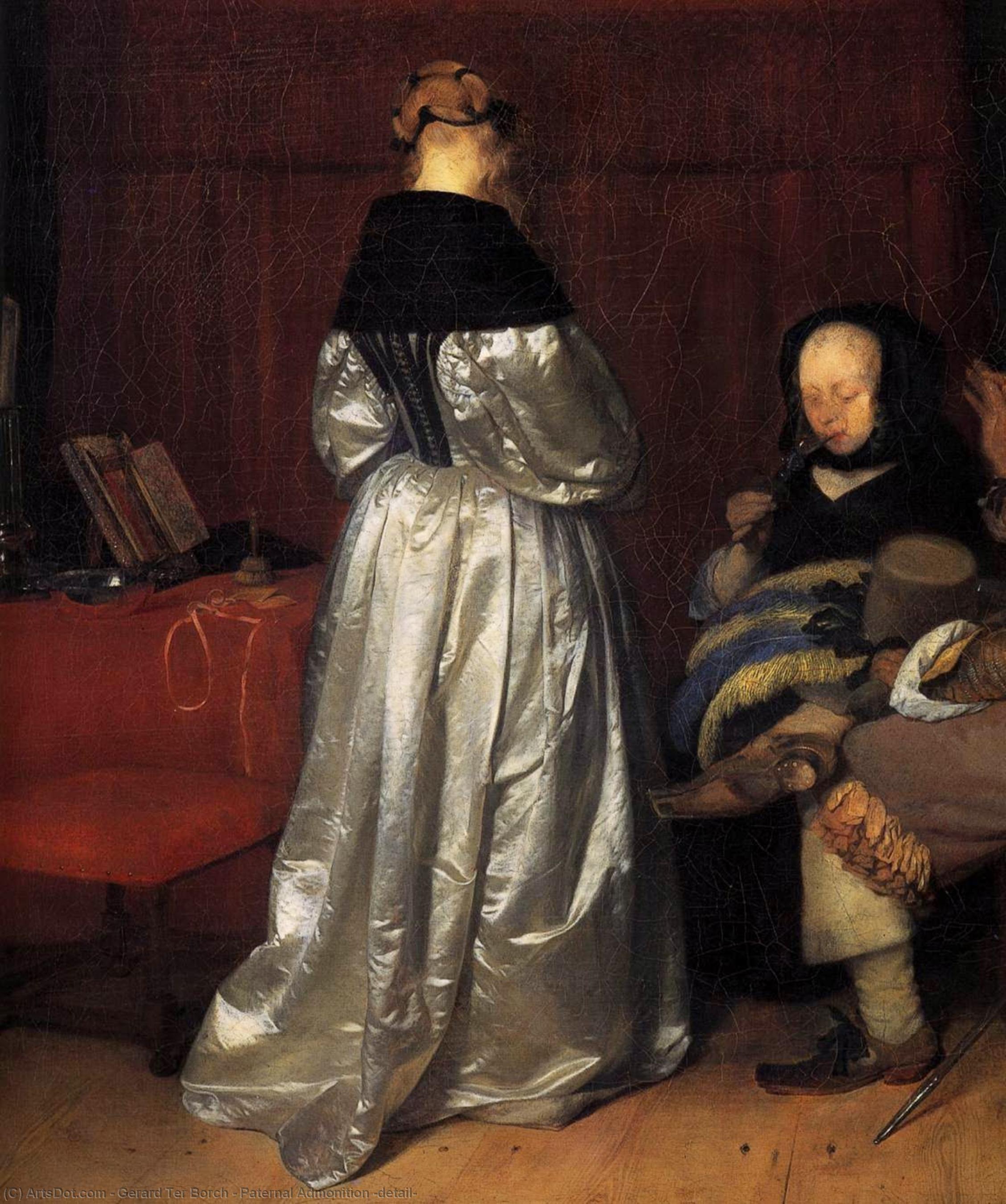
- Distinctive Style: Ter Borch’s signature style is characterized by its subdued palette, diffused light, and masterful rendering of fabric surfaces—a technique he termed “satijntjes,” or “satin pieces.” Unlike Vermeer's luminous interiors, ter Borch’s scenes prioritize a contemplative atmosphere, capturing the subtle nuances of human emotion.
- Notable Works: Among his most celebrated paintings are “The Letter” (circa 1648), showcasing exquisite textural detail and conveying profound introspection; “The Gallant Conversation,” engraved by Johann Georg Wille, which exemplifies ter Borch’s ability to portray complex interpersonal dynamics; and “Man on Horseback” (1634), demonstrating early mastery of perspective and anatomical accuracy.
- Historical Context: Ter Borch's work emerged during a period of intense artistic debate concerning the role of emotion in art. While Rembrandt championed dramatic expression, ter Borch prioritized psychological subtlety, reflecting a broader trend toward realism and nuanced observation.
- Symbolism & Emotional Impact: Ter Borch’s paintings are laden with symbolic references—the flickering candlelight, the carefully arranged fabrics, the averted gaze of his subjects—inviting viewers to contemplate themes of solitude, contemplation, and unspoken emotion. His art possesses a timeless quality that transcends stylistic conventions.
The Gallant Conversation: A Portrait of Domestic Intimacy
“The Gallant Conversation,” painted around 1654, exemplifies ter Borch’s groundbreaking approach to genre painting. Unlike Rembrandt's theatrical depictions of biblical scenes or Rubens' opulent allegories, ter Borch focused on capturing the quiet drama of everyday life—specifically, a conversation between two individuals within a richly furnished room.
- Composition & Light: The scene unfolds with remarkable precision, utilizing diffused light to illuminate the figures and their surroundings. Ter Borch’s masterful rendering of satin fabric creates a shimmering surface that draws the viewer's eye and contributes to the painting's contemplative mood.
- Psychological Depth: Ter Borch skillfully portrays the unspoken emotions of his subjects—the subtle gestures, averted gazes, and carefully positioned objects—provoking viewers to consider the complexities of human relationships.
- Interpretations & Debate: Scholars have debated the painting’s meaning for centuries. While some interpret it as a depiction of seduction—a clandestine encounter between a man and a woman—others emphasize the importance of psychological subtlety and nuanced observation.
Technique & Texture: Ter Borch's Obsession with Detail
Ter Borch’s artistic technique is distinguished by its meticulous attention to detail—particularly in his rendering of fabric surfaces. He achieved this remarkable feat through painstaking layering of glazes and impasto, creating textures that appear almost palpable.
- Glazing & Impasto: Ter Borch employed glazing techniques—applying thin layers of translucent paint over thicker underlayers—to build up tonal gradations and achieve luminous effects. Simultaneously, he utilized impasto—thickly applied paint—to sculpt the surfaces of draperies and other textures.
- Realistic Representation: Ter Borch’s commitment to realism extended beyond mere visual accuracy; he sought to convey the tactile qualities of his subjects' environment—the coolness of marble floors, the warmth of candlelight, the sheen of satin fabrics.
Legacy & Influence
Gerard ter Borch’s influence on subsequent generations of Dutch painters is undeniable. Artists such as Gabriel Metsu and Gerrit Dou adopted ter Borch's stylistic innovations—his subdued palette, diffused light, and meticulous rendering of texture—establishing a new aesthetic framework for genre painting.
- Continuing Relevance: Ter Borch’s paintings continue to resonate with contemporary audiences who appreciate their psychological depth and artistic virtuosity. His work serves as a reminder that true beauty lies not in grand spectacle but in subtle emotion and nuanced observation.