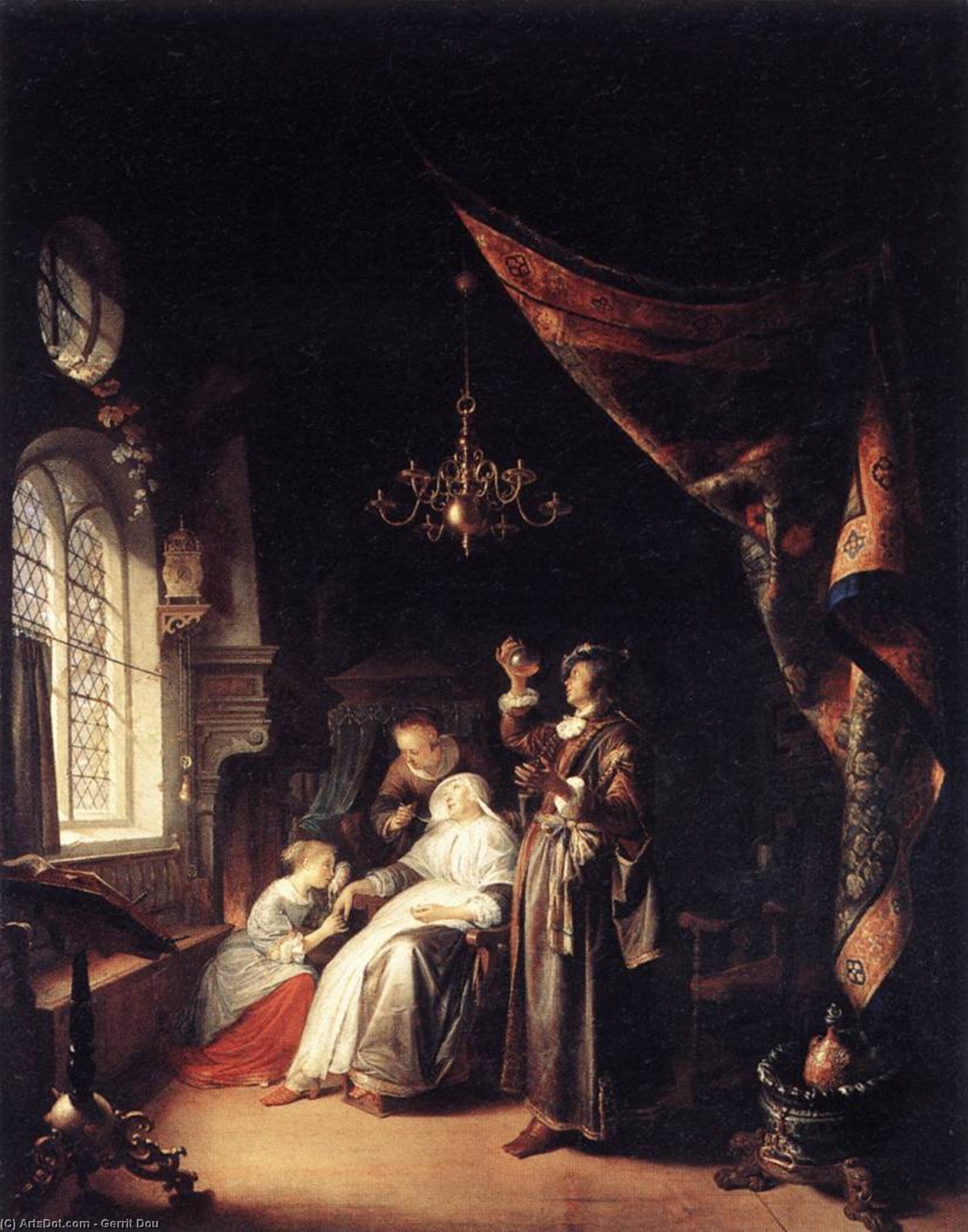
Gerrit Dou’s "The Dropsical Woman" (1663) – a haunting Baroque masterpiece. Explore this Dutch Golden Age oil painting's rich detail, dramatic lighting & poignant symbolism.
Explore the exquisite Dutch Golden Age paintings of Gerrit (Gérard) Dou (1613-1675). Known for his meticulous 'fijnschilder' style, genre scenes, and masterful use of light in candlelit interiors. Discover his legacy & works!
Explore the Louvre Museum in Paris! Home to iconic masterpieces like the Mona Lisa & Venus de Milo, journey through art history from ancient Egypt to Renaissance icons. Plan your visit today!
A Moment Frozen in Time: Gerrit Dou’s “The Dropsical Woman”
The Dutch Golden Age witnessed an explosion of artistic innovation, fueled by burgeoning commerce and intellectual curiosity. Among the luminaries of this era stood Gerrit Dou (1613-1675), a painter whose meticulous approach to genre scenes cemented his reputation as one of Leiden’s most celebrated fijnschilders – “fine painters.” His masterpiece, “The Dropsical Woman,” transcends mere representation; it's an exquisitely crafted tableau that speaks volumes about the anxieties and affections of its time. Painted in 1663, this oil on canvas depicts a poignant domestic scene within a richly appointed bedroom, capturing a fleeting moment of compassion amidst unspoken sorrow.
Composition and Technique: Mastery of Light and Illusion
Dou’s technique is characterized by an unparalleled level of detail and realism achieved through painstaking layering and glazing—a hallmark of Leiden’s artistic tradition. The artist skillfully employs chiaroscuro – dramatic contrasts between light and shadow – to sculpt the figures and illuminate the interior space. Notice how a single window casts a warm glow upon the woman’s face, highlighting her serene expression while simultaneously enveloping the room in subdued darkness. This masterful manipulation of light isn't merely aesthetic; it serves to heighten the emotional impact of the scene, emphasizing vulnerability and conveying a palpable sense of melancholy. The artist meticulously renders textures – from the velvety draperies to the smooth skin of the woman – creating an immersive experience for the viewer. Impasto brushstrokes are particularly prominent on the fabrics and walls, adding depth and physicality to the composition. Furthermore, Dou’s use of trompe l'oeil—optical illusions—adds another layer of sophistication, subtly blurring the boundaries between reality and artifice.
Historical Context: Anxiety and Domestic Tranquility
“The Dropsical Woman” emerges from a period marked by significant social and intellectual upheaval. The Dutch Republic wrestled with religious tensions following the Thirty Years’ War, grappling with questions of faith and morality. Yet, amidst this turmoil, Dou captures a scene of quiet domesticity—a woman lying in bed attended by her husband and daughter—representing an idealized vision of familial care and devotion. This depiction reflects the prevailing humanist sensibilities of the era, emphasizing human compassion and empathy. The painting’s subject matter speaks to broader themes of illness, grief, and the importance of nurturing relationships during times of hardship. It's a testament to Dou’s ability to distill complex emotions into a single, unforgettable image.
Symbolism: Layers of Meaning Beneath the Surface
Beyond its technical brilliance, “The Dropsical Woman” is laden with symbolic significance. The woman’s unconscious posture suggests fragility and vulnerability—a reflection of the anxieties surrounding mortality prevalent during Dou's lifetime. Her husband and daughter offer solace and support, embodying ideals of paternal love and filial piety. The muted color palette contributes to the painting’s somber mood, reinforcing the pervasive atmosphere of sorrow. However, the subtle illumination emanating from the window symbolizes hope—a glimmer of light amidst darkness—suggesting that even in moments of despair, compassion and tenderness endure.
Emotional Impact: A Window into Human Experience
Ultimately, “The Dropsical Woman” resonates deeply with viewers because it captures a universal human experience – caring for someone afflicted by illness or grief. Dou’s masterful rendering of emotion transcends time, inviting contemplation on themes of empathy, devotion, and the enduring power of familial bonds. It stands as an exceptional example of Baroque artistry, demonstrating not only technical prowess but also profound insight into the complexities of human psychology. Reproductions of this iconic artwork offer a captivating glimpse into the artistic spirit of the Dutch Golden Age and continue to inspire admiration for its beauty and emotional depth.