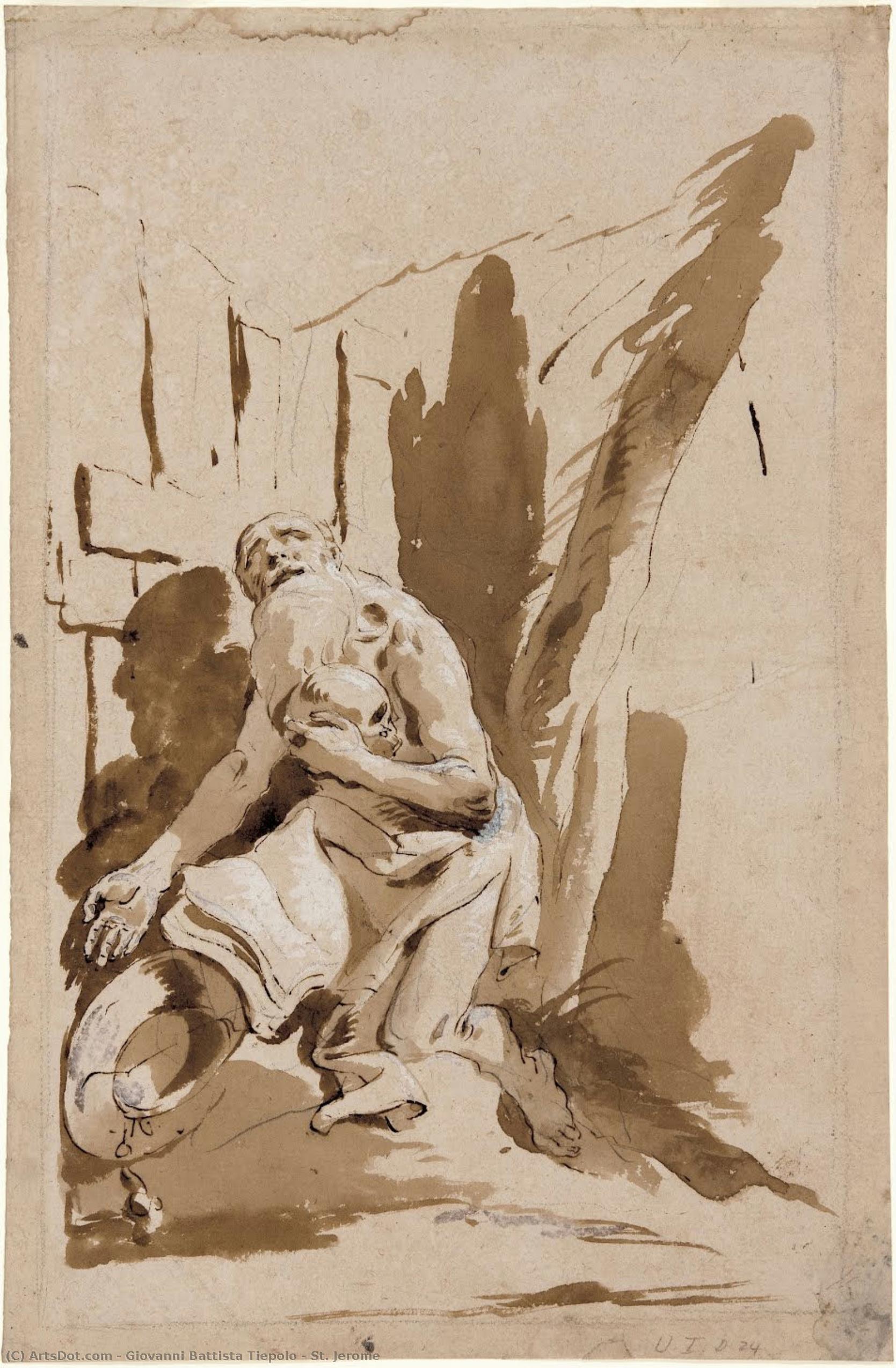
Giovanni Battista Tiepolo’s monochromatic 'St. Jerome' drawing showcases Baroque chiaroscuro & dynamic lines. Explore this 1720 sketch of a muscular figure, rich in texture and movement.
Discover Giambattista Tiepolo: Master of Rococo frescoes & paintings! Explore his dramatic scenes, vibrant colors, & legacy in Venice & beyond.
Explore Australia’s second-largest state art collection at the Art Gallery of South Australia in Adelaide! Discover renowned Australian & Aboriginal art, European masterpieces, and vibrant exhibitions like Tarnanthi.
A Symphony of Light and Shadow: Exploring Tiepolo’s St. Jerome
The artwork, “St. Jerome,” by Giambattista Tiepolo, transcends mere depiction; it embodies the very spirit of Baroque Venetian art—a masterful fusion of disegno and illusionistic grandeur that continues to captivate audiences centuries later. Executed in 1720, this monochrome drawing offers a glimpse into Tiepolo’s unparalleled ability to transform architectural spaces into theatrical realms of emotion and contemplation.
Subject Matter and Composition
At its core lies the figure of Saint Jerome—a biblical patriarch revered for his ascetic devotion and unwavering faith—presented in an arresting reclining pose. While referencing classical sculptural traditions, particularly those found in Roman temples, Tiepolo’s depiction isn't simply a faithful transcription; it’s imbued with dynamism and psychological depth. The artist deliberately obscures Jerome’s face, fostering an aura of mystery and inviting viewers to engage in imaginative projection—a technique common in Baroque art aimed at eliciting spiritual resonance. The torso and limbs dominate the composition, meticulously rendered to convey muscular strength and serene repose. Loose architectural lines form a subtle backdrop, hinting at grandeur without overwhelming the central figure.
Style and Technique: Baroque Chiaroscuro
Tiepolo’s masterful command of chiaroscuro—the dramatic interplay between light and shadow—defines the artwork's stylistic essence. Like many of his monumental frescoes, “St. Jerome” utilizes hatching and cross-hatching to sculpt volume and texture onto the paper surface. These meticulous lines mimic the effect of natural illumination, creating a palpable sense of depth and simulating the way sunlight would fall across Jerome’s form. The rough, uneven surface of the paper itself speaks to the immediacy of Tiepolo's artistic process—a testament to his dedication to capturing fleeting moments of observation and translating them into enduring visual representations.
Historical Context: Venetian Rococo Ascendancy
“St. Jerome” emerged during Venice’s golden age of Rococo, a period characterized by opulent ornamentation, pastel hues, and an emphasis on aristocratic pleasure. However, Tiepolo deliberately eschewed the flamboyant excesses of his contemporaries, opting for a restrained monochrome palette that prioritizes tonal nuance and psychological subtlety. This stylistic choice underscores Tiepolo's belief in disegno—the primacy of drawing as a foundational element of artistic expression—a conviction rooted in the traditions of Venetian Baroque painting. The artwork reflects the broader cultural preoccupation with moral contemplation and spiritual introspection prevalent during the era, aligning seamlessly with the humanist ideals championed by Venetian intellectuals and artists.
Symbolism and Emotional Impact
The depiction of Jerome embodies several symbolic motifs characteristic of Christian iconography. His posture signifies humility and acceptance of divine grace, while his gaze directs inward—towards a realm beyond the visible world—inviting viewers to contemplate themes of faith, solitude, and ascetic piety. The monochrome tonality amplifies the artwork’s emotional impact, fostering a mood of solemn contemplation and conveying Jerome's inner peace amidst profound spiritual struggle. Ultimately, “St. Jerome” serves as a poignant reminder of Tiepolo’s ability to distill complex theological concepts into visually arresting compositions that resonate with enduring beauty and intellectual curiosity.