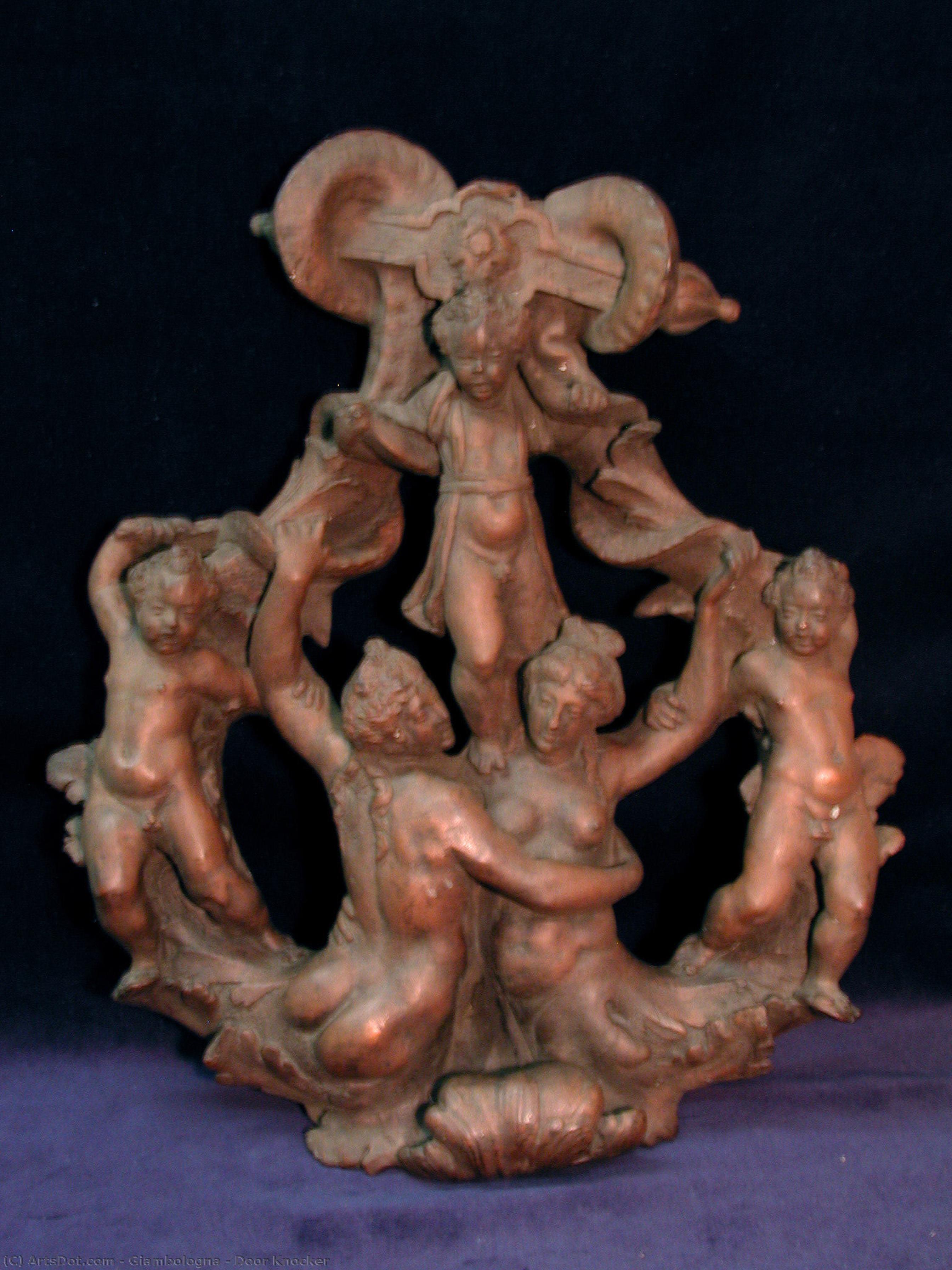
A Dance of Myth and Form: Giambologna’s “Door Knocker”
Giambologna's "Door Knocker," a bronze sculpture created in the late 15th and early 16th centuries, is more than just a decorative object; it’s a meticulously crafted microcosm of Renaissance ideals – a testament to human artistry, classical influence, and the burgeoning spirit of Mannerism. This captivating piece, currently residing within the Metropolitan Museum of Art's collection in New York City, invites viewers into a world of allegorical storytelling and exquisite technical skill. It represents a pivotal moment in artistic evolution, bridging the gap between the emotional fervor of the High Renaissance and the more restrained, psychologically complex style that would define the Baroque era.
At first glance, “Door Knocker” presents a seemingly serene tableau: a reclining female figure, often interpreted as a representation of Venus or another allegorical goddess, dominates the composition. She rests upon a shell-like base – a potent symbol of birth, rebirth, and the cyclical nature of life – while surrounding her are a constellation of smaller figures. Cherubs, putti, and mythological characters intertwine in a dynamic dance, creating an impression of perpetual motion and harmonious interaction. The sculpture’s power lies not just in its individual elements but in their carefully orchestrated relationship, forming a narrative that speaks to themes of love, fertility, and the interconnectedness of human experience.
The Language of Mannerism
Giambologna was a master of Mannerist style, a movement characterized by an emphasis on elegance, refinement, and subtle psychological tension. Unlike the idealized beauty championed by earlier Renaissance artists like Michelangelo, Giambologna’s figures possess a captivating realism – a deliberate distortion of proportions that heightens their expressive power. Notice how the female figure's limbs are elongated, her pose subtly asymmetrical, creating a sense of dynamic movement and internal drama. This departure from strict anatomical accuracy wasn’t simply an aesthetic choice; it was a conscious effort to evoke emotion and convey psychological depth.
The sculpture’s surface is equally remarkable. Giambologna employed a painstaking polishing technique that maximized reflectivity, creating a mesmerizing interplay of light and shadow. The bronze itself appears almost luminous, capturing the viewer's attention and drawing them into the intricate details of the figures and their surroundings. This meticulous attention to texture – from the smooth curves of the female form to the delicate folds of the drapery – is a hallmark of Giambologna’s style and contributes significantly to the sculpture’s overall impact.
Symbolism and Historical Context
Beyond its aesthetic qualities, “Door Knocker” is rich in symbolic meaning. The shell base, as mentioned earlier, represents birth and renewal, while the surrounding figures likely allude to classical myths and allegorical themes. The presence of a ring – often associated with marriage and alliances – suggests a connection to courtship or familial bonds. The sculpture’s creation coincided with the rise of wealthy patrons like the Medici family in Florence, who commissioned works that celebrated both artistic excellence and civic pride. Giambologna skillfully navigated this complex environment, producing sculptures that were not only visually stunning but also imbued with layers of meaning.
A Legacy of Elegance
Giambologna’s “Door Knocker” stands as a testament to the sculptor's extraordinary talent and his profound understanding of Renaissance aesthetics. It is a work that continues to captivate viewers centuries after its creation, inviting us to contemplate the enduring power of art to express complex ideas and evoke powerful emotions. Reproductions of this iconic sculpture offer an opportunity to bring this masterpiece into your home or office, allowing you to appreciate its beauty and symbolism in a new light. Its intricate details and graceful forms make it a perfect addition to any collection, serving as a reminder of the enduring legacy of Renaissance art.