The Abduction: Bernini’s “Rape of Proserpina” – A Baroque Masterpiece
Gian Lorenzo Bernini's "Rape of Proserpina," sculpted between 1621 and 1622, isn’t merely a depiction of a myth; it’s a visceral embodiment of struggle, desire, and the shifting seasons. Housed within the Galleria Borghese in Rome—a space itself steeped in artistic grandeur—this monumental marble group immediately commands attention with its dynamic composition and intensely emotional portrayal. Bernini, already establishing himself as the leading sculptor of his era, masterfully fused classical mythology with Baroque drama, creating a work that continues to resonate centuries later.
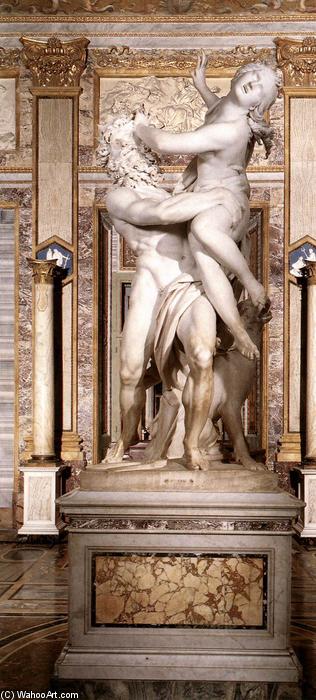
The narrative unfolds with breathtaking immediacy. Hades, rendered in powerful, muscular form, bursts forth from the earth in a chariot pulled by four black horses—a symbol of the underworld’s dark and relentless power. His arm is extended, grasping Proserpina (Persephone) with an almost predatory urgency. She, caught mid-stride, resists with desperate grace, her body twisted in a pose of agonizing struggle. The details are exquisite: the clench of her fingers against his hand, the horrified expression etched on her face, the delicate folds of her drapery—all speak to the raw, primal nature of the abduction.
A Symphony of Marble and Movement
Bernini’s technical skill is simply astonishing. He employed a revolutionary technique known as “subdolitas,” or “sweetness,” which involved meticulously carving marble with an almost impossibly delicate touch. The surface of the figures appears to ripple and flow, mimicking flesh and fabric with uncanny realism. Notice how he captures the weight of Hades’ grip, the tension in Proserpina's limbs, and the subtle texture of her clothing—all achieved through a masterful manipulation of light and shadow within the marble itself. The use of Carrara marble, renowned for its purity and luminosity, further enhances the sculpture’s dramatic effect.
Crucially, Bernini didn’t simply replicate a static scene; he captured a fleeting moment of intense action. The composition is carefully balanced—the diagonal thrust of Hades' arm counterpointed by Proserpina’s resistance—creating a sense of dynamic movement that draws the viewer into the drama. The inclusion of Cerberus, the three-headed hound guarding the entrance to the underworld, reinforces the sculpture’s connection to the realm of darkness and death.
Myth, Patronage, and Political Undertones
Commissioned by Cardinal Scipione Borghese, a man known for his ambition and political maneuvering, “Rape of Proserpina” carries layers of historical significance beyond its mythological subject matter. The choice to depict this particular myth—a tale of abduction and the cyclical nature of seasons—may have been influenced by the recent death of Pope Paul V and the rise of Scipione’s nephew, Ludovico. The sculpture was ultimately gifted to Ludovico, a move that suggests a complex interplay of patronage, political favor, and perhaps even veiled rivalry.
Furthermore, the sculpture's placement within the Borghese Gallery—a space designed to showcase the family’s wealth and power—underscores its role as a symbol of status and prestige. Bernini’s work served not only as an artistic statement but also as a potent demonstration of the Borghese family’s influence within Rome.
Symbolism and Emotional Resonance
At its core, “Rape of Proserpina” explores themes of power, resistance, loss, and transformation. Proserpina's struggle represents the vulnerability of innocence in the face of overwhelming force—a potent metaphor for the challenges faced by women throughout history. The abduction itself symbolizes the inevitable intrusion of darkness into the realm of light and joy, foreshadowing the coming winter.
Yet, despite its tragic subject matter, the sculpture also evokes a sense of dramatic beauty and emotional intensity. Bernini’s masterful use of form and gesture captures the raw energy of the moment, inviting viewers to contemplate the complexities of human experience. “Rape of Proserpina” remains a profoundly moving work—a testament to Bernini's genius and his ability to transform myth into enduring art.