Bóveda de la Cubierta: A Gothic Masterpiece by Giotto di Bondone
- Title: Bóveda de la Cubierta
- Artist: giotto di bondone
- Style: Gothic Art
- Date: Unknown
- Size: Unknown
About the Artwork
The
Bóveda de la Cubierta is a remarkable painting by the Italian artist
Giotto Di Bondone, created in the style of
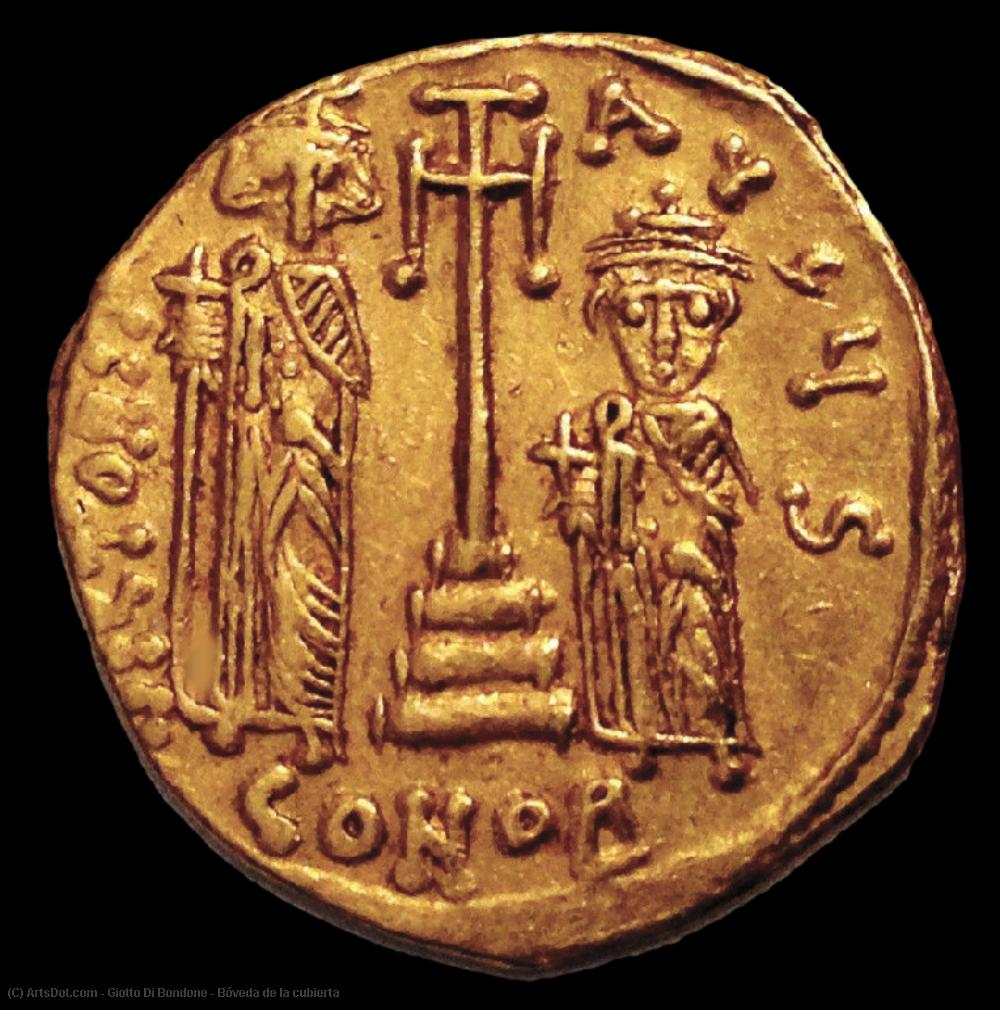
Gothic Art. This beautiful artwork showcases Giotto's skill in capturing the essence of a scene, with intricate details and beautiful colors. The image depicts a woman with wings on her shoulders, wearing a hat. She appears to be holding a shield in one hand and a cross in the other. In addition to the main figure, there are several smaller figures scattered throughout the painting, representing angels or religious figures, as well as elements of nature. Overall, it's a complex and intricate work demonstrating the artist’s skill in capturing various subjects within a single composition.
Historical Context & Artistic Significance
Giotto Di Bondone (1267-1337) was a pivotal figure in Western art history, known for revolutionizing painting. His work had a significant influence on the development of
Western art, particularly during the
Gothic and
Proto-Renaissance periods. Giotto moved away from the flat, stylized figures characteristic of Byzantine art, seeking a more naturalistic representation of the world. He emphasized human emotion, spatial depth, and realistic depictions – innovations that paved the way for the Renaissance masters. The
Bóveda de la Cubierta exemplifies this shift, demonstrating a departure from traditional conventions and marking a significant step towards greater realism in art. Some of Giotto Di Bondone’s notable works can be found in museums such as the
Uffizi Gallery in Florence, Italy, and the
Cappella Scrovegni in Padua, Italy.
Symbolism & Emotional Impact
The symbolism within the
Bóveda de la Cubierta is rich and layered. The winged figure likely represents a celestial being or an angel, symbolizing divine protection and guidance. The shield suggests strength and defense, while the cross signifies faith and sacrifice. Giotto’s masterful use of color and composition creates a powerful emotional impact on the viewer. The painting evokes a sense of awe, reverence, and spiritual contemplation. The naturalistic portrayal of figures imbues them with humanity, making the scene relatable and emotionally resonant even centuries later.
Additional Information & Related Artists
Beyond Giotto Di Bondone’s work, several other artists contributed to the artistic landscape of the Gothic period.
Agnolo Gaddi (1350-1396) was a Florentine painter who bridged Gothic and Early Renaissance styles.
Giovanni da Milano (1346-1369), also influenced by Giotto, is known for his emotive religious scenes. Exploring the works of these artists provides further context and appreciation for Giotto’s contributions to art history. For more information about
Giotto Di Bondone and his works, visit
ArtsDot.com and
Wikipedia.