Descent into Limbo: A Journey Through Faith and Artistic Innovation
Giotto di Bondone's "Descent into Limbo," created around 1320, stands as a cornerstone of early Renaissance art. This tempera painting on panel, measuring 45 x 44 cm and currently residing in the Alte Pinakothek in Munich, Germany, offers a profound exploration of religious narrative and artistic technique.
The Scene Depicted
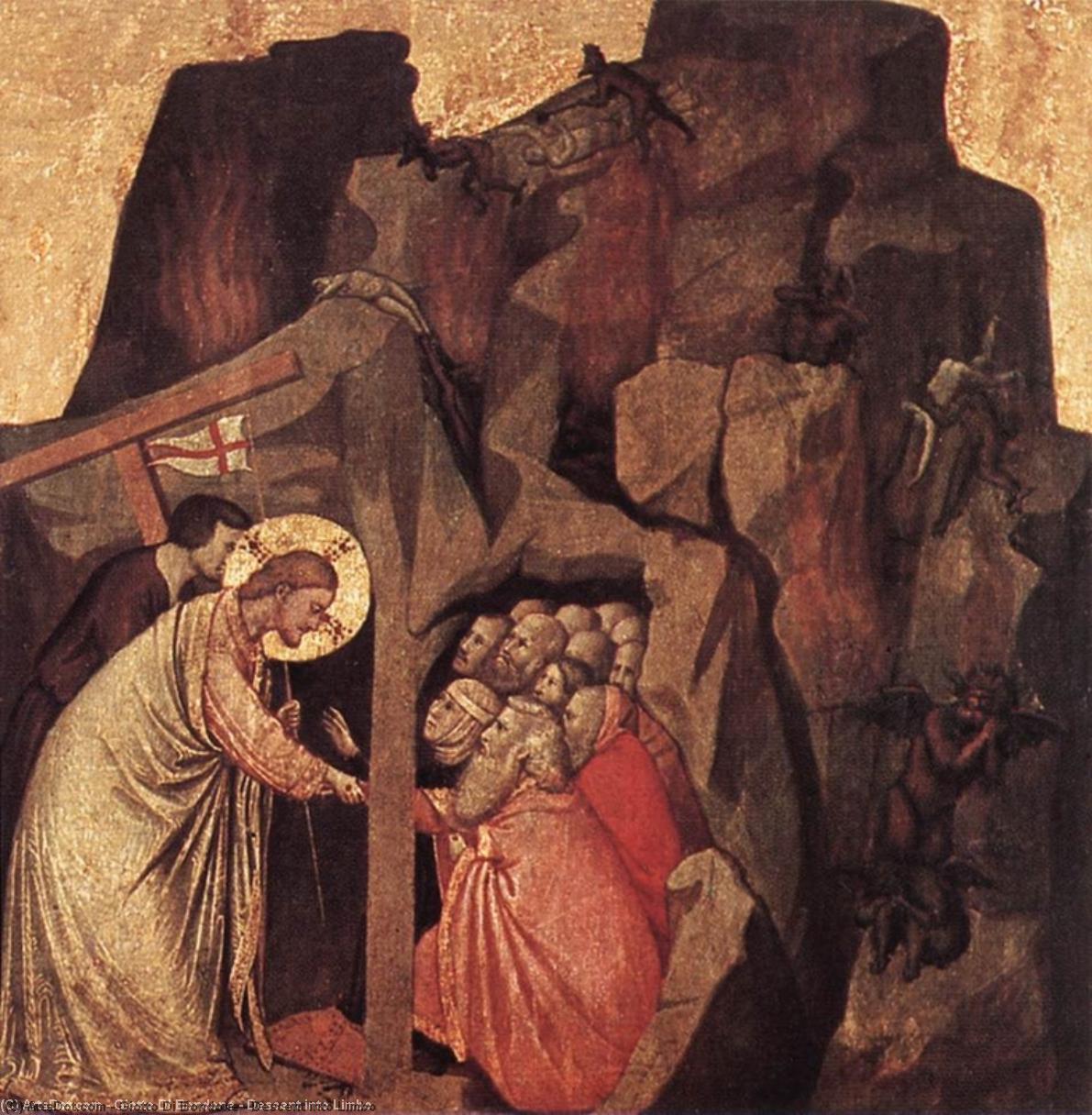
The artwork portrays a pivotal moment from Christian theology: Jesus Christ's descent into Limbo. This realm, according to medieval belief, was a place where righteous souls who died before Christ’s crucifixion resided. The painting vividly depicts the lowering of Jesus from his cross by angels, an event signifying his mission to liberate these souls. Several figures surround Jesus, witnessing or participating in this momentous occasion. To the left and right of Jesus stand two individuals, their expressions conveying a sense of solemnity and reverence. Notably, two birds are also present – one soaring above the scene and another perched upon a rock, adding an element of ethereal beauty to the composition.
Symbolism and Meaning
The cross itself is central to the painting's symbolism, representing Jesus’ sacrifice and redemption. The presence of angels underscores the divine nature of this event, emphasizing that it is a celestial intervention. The birds are often interpreted as symbols of the spiritual realm or the liberated souls ascending from Limbo. The rocky landscape surrounding the scene contributes to the overall atmosphere of solemnity and transition, representing the boundary between earthly suffering and eternal salvation.
Artistic Significance: Giotto's Revolutionary Approach
Giotto di Bondone was a pivotal figure in art history, credited with ushering in a new era of naturalism. Prior to Giotto, Byzantine artistic conventions dominated, characterized by stylized figures and flattened perspectives. "Descent into Limbo" demonstrates Giotto’s departure from these traditions. He employed innovative techniques to create a sense of depth and volume, rendering the human figures with greater realism and emotional expressiveness. His use of tempera on panel allowed for vibrant colors and detailed depictions, showcasing his mastery of technique and narrative storytelling. Giotto's focus on portraying human emotion – evident in the faces of the figures surrounding Jesus – was a groundbreaking development that profoundly influenced subsequent generations of artists.
Historical Context and Legacy
Created during the Proto-Renaissance period, "Descent into Limbo" reflects the growing interest in classical art and humanist ideals. Giotto’s work served as a bridge between medieval artistic traditions and the burgeoning Renaissance style. His influence can be seen in the works of later artists, including Masaccio and Michelangelo. The painting's presence within the Alte Pinakothek alongside other masterpieces by renowned artists like Peter Paul Rubens and Dirck Van Baburen highlights its significance within the broader context of European art history. Giotto’s legacy continues to inspire artists and captivate audiences with his ability to convey profound spiritual themes through compelling visual narratives.