Giotto Di Bondone: A Pioneer of Renaissance Art
Giotto di Bondone (c. 1267 – January 8, 1337) stands as an unparalleled figure in the transition from Medieval to Renaissance art—a pivotal innovator whose groundbreaking approach fundamentally reshaped Western painting and profoundly influenced generations of artists to come. Often hailed as “the father of painting,” Giotto’s legacy resides not merely in his prolific output but in his audacious reimagining of artistic conventions, establishing a new standard for naturalism and emotional expression that irrevocably altered the course of art history.
### Early Influences and Artistic Training
Giotto's formative years were steeped in Byzantine tradition—the dominant aesthetic force across Europe during his lifetime. Like many artists of his era, he initially absorbed the stylized figures and luminous gold backgrounds characteristic of Byzantine mosaics and frescoes. However, Giotto swiftly recognized the limitations of this style and embarked on a transformative journey toward greater realism. His apprenticeship under Cimabue, Florence’s leading painter, proved instrumental in fostering this shift. Cimabue championed a more humanistic vision—one that prioritized anatomical accuracy and psychological depth—a stance that directly challenged the prevailing artistic dogma. Accounts suggest Giotto meticulously studied human anatomy, dissecting corpses to gain firsthand knowledge of musculature and skeletal structure—a daring practice unheard of at the time.
### The Scrovegni Chapel: A Revolutionary Vision
Giotto’s magnum opus—the decoration of the Cappella Scrovegni (Arena Chapel) in Padua—represents an astonishing leap forward from Byzantine art and solidified his reputation as a visionary artist. Commissioned by Enrico Scrovegni, a wealthy textile merchant, Giotto undertook this monumental project around 1305, transforming the chapel’s interior into a breathtaking panorama of biblical narratives. Unlike previous frescoes which often depicted figures in flattened planes with little regard for perspective or emotion, Giotto employed innovative techniques to convey profound psychological realism. He achieved remarkable spatial depth through meticulous use of linear perspective—a technique that wouldn't gain widespread acceptance until decades later—creating an immersive experience for viewers that mirrored the natural world.
### Innovation and Emotional Depth: A New Aesthetic Paradigm
What distinguishes Giotto’s work from its predecessors is not merely technical prowess but a radical embrace of human emotion. Giotto’s figures are imbued with palpable feeling—expressions of sorrow, joy, compassion, and terror—capturing the essence of human experience in ways previously unattainable. He skillfully utilized shading and modeling to sculpt his figures, conveying volume and texture with unprecedented accuracy. Furthermore, Giotto's compositional choices—such as placing figures in dynamic poses and employing dramatic lighting—served to heighten emotional impact and engage the viewer’s senses. The frescoes depict scenes from Genesis and Exodus, portraying biblical characters with astonishing sensitivity and nuance. Giotto’s depiction of Mary Magdalene weeping at Jesus’ tomb exemplifies his masterful ability to convey grief and remorse—a poignant portrayal that resonates powerfully even today.
### Legacy and Influence Beyond Padua
The Scrovegni Chapel served as a catalyst for artistic innovation throughout Italy and beyond, inspiring artists who followed in Giotto's footsteps. His influence extended far beyond the chapel walls, shaping the aesthetic sensibilities of subsequent generations of painters—most notably Masaccio and Filippo Brunelleschi—who embraced his pioneering techniques and championed a humanist vision of art. Giotto’s legacy endures as a testament to the transformative power of artistic experimentation and a cornerstone of Western art history—a reminder that true innovation arises from daring to challenge established conventions and striving for an ever more profound understanding of human nature.
### Further Exploration: Notable Works Beyond Scrovegni Chapel
For those eager to delve deeper into Giotto’s oeuvre, consider examining these additional masterpieces:
- Upper Basilica of Saint Francis in Assisi
- Panel Paintings (Florence Baptistery)
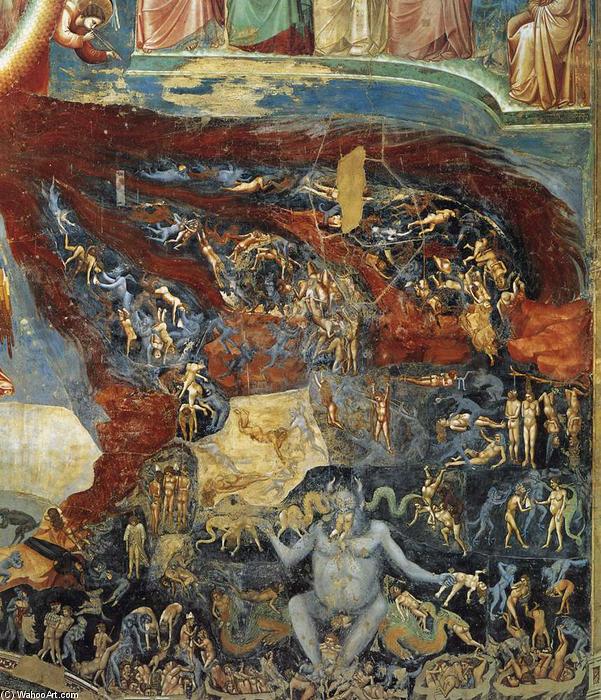
Last Judgment (detail 14) and
Last Judgment (detail 2) are particularly noteworthy for their masterful depiction of the biblical narrative and Giotto’s innovative use of perspective.