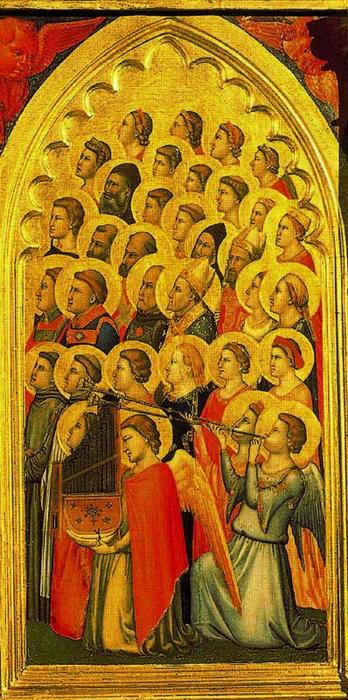
A Revolutionary Shift in Medieval Art: Exploring Giotto’s Baroncelli Polyptych
The Baroncelli Polyptych, completed around 1327 by Giotto di Bondone, stands as a monumental testament to the burgeoning Renaissance spirit within the confines of medieval artistic tradition. More than just a devotional image—it's a profound reimagining of how artists approached depicting religious narratives, marking a decisive break from the stylized conventions that had dominated European painting for centuries. Commissioned by the Baroncelli family for their chapel in Florence’s Franciscan church, this altarpiece embodies Giotto’s masterful synthesis of Byzantine influences and emerging naturalism, resulting in an artwork that continues to captivate viewers today.
- Subject Matter & Narrative Depth: Unlike earlier polyptychs—complex multi-paneled paintings designed to adorn churches—the Baroncelli Polyptych eschews the flattened perspectives and shimmering gold backgrounds characteristic of Byzantine art. Instead, Giotto presents a dynamic scene depicting a congregation gathered before the Virgin Mary and Saint John the Evangelist. The figures are rendered with remarkable anatomical accuracy – a radical departure from the idealized representations prevalent in his time – conveying palpable emotion and capturing the immediacy of human experience.
- Style & Technique: Giotto’s stylistic innovations stemmed from his unwavering commitment to observation. He meticulously studied human anatomy, painstakingly recreating musculature and drapery folds with unprecedented realism. This approach extended beyond mere physical representation; it permeated every aspect of his artistic vision, informing the expressive gestures and facial expressions of each figure. The artist skillfully employed tempera paint on wood panels—a technique favored for its luminosity and durability—creating a surface that retains an astonishing level of detail.
Historical Context: Bridging Byzantine Legacy & Emerging Naturalism
Giotto’s work emerged during a period of significant cultural transformation. While the Byzantine Empire continued to exert considerable influence on artistic sensibilities—particularly in iconography and decorative embellishment—a new aesthetic was gaining traction across Italy. Artists like Cimabue, Giotto's teacher, were experimenting with more naturalistic depictions of human form, foreshadowing the humanist ideals that would soon dominate Renaissance art. The Baroncelli Polyptych exemplifies this pivotal moment, skillfully blending Byzantine stylistic elements – notably the serene Madonna and Saint John – with groundbreaking advancements in anatomical realism.
Symbolism & Spiritual Significance
The composition itself is laden with symbolic meaning. The central panel showcases Mary holding the infant Jesus—a universally recognized emblem of divine motherhood and compassion—while Saint John gestures towards Christ, signifying his role as witness to the incarnation. The surrounding panels depict scenes from the Annunciation and Visitation narratives, reinforcing themes of faith, humility, and divine grace. Giotto’s deliberate use of color – muted hues reflecting the solemn atmosphere of the chapel – contributes to the artwork's spiritual impact, inviting contemplation and fostering a connection with the sacred.
Emotional Impact & Legacy
Perhaps most powerfully, the Baroncelli Polyptych transcends mere visual representation; it communicates profound emotional resonance. Giotto’s figures are imbued with palpable humanity—their expressions conveying sorrow, joy, reverence, and compassion—capturing the essence of human experience within a religious context. This masterful portrayal of emotion solidified Giotto's reputation as one of the greatest artists of his era and established him as a foundational figure in the artistic revolution that would usher in the Renaissance. Its enduring beauty and psychological depth continue to inspire admiration and serve as a poignant reminder of the transformative potential of art.