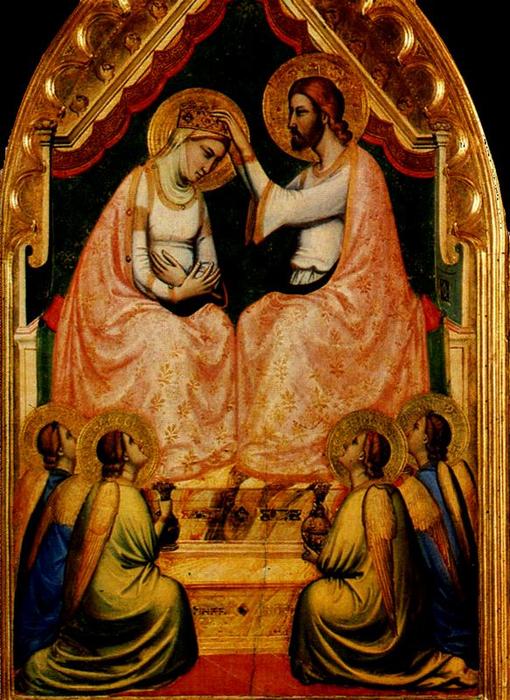
Admire Giotto’s masterpiece – the Baroncelli Polyptych! This iconic Gothic altarpiece showcases Mary, Jesus, and Joseph with stunning realism & emotional depth. Explore its history & artistic significance.
Explore Giotto di Bondone (1267-1337), the revolutionary Italian painter! Discover his proto-Renaissance frescoes, naturalism & emotional depth in works like the Scrovegni Chapel. A key figure in art history.
A Revolutionary Vision of Faith: Giotto’s Baroncelli Polyptych
The Baroncelli Polyptych, attributed to Giotto di Bondone (1267-1337), stands as a cornerstone of Gothic art and a pivotal moment in the burgeoning Renaissance. More than just a depiction of religious iconography—the Coronation of the Virgin—it represents a dramatic departure from Byzantine artistic conventions, marking Giotto’s unwavering commitment to naturalism and emotional resonance that would profoundly influence generations of artists to come. Created around 1334, this monumental altarpiece resides in San Felice Church, Florence, offering visitors an unparalleled glimpse into the artistic sensibilities of its era.
The Gothic Legacy: Stylized Form Meets Emotional Depth
Giotto’s predecessors favored flattened perspectives and stylized figures imbued with spiritual symbolism—a characteristic of Byzantine art where idealized representations prioritized divine grace over earthly realism. Giotto, however, rejected this approach entirely. He painstakingly observed the human form, capturing subtle musculature and drapery folds with unprecedented accuracy. This dedication to naturalism wasn't merely a technical accomplishment; it was a deliberate effort to convey genuine emotion—a breakthrough that would become synonymous with Renaissance art. The influence of Cimabue, Giotto’s teacher, is palpable in the monumental scale and gilded frame, yet Giotto swiftly established his own distinctive style, prioritizing expressive gestures and nuanced facial expressions over rigid formalism.
A Narrative Triumph: Telling Stories Through Paint
What distinguishes the Baroncelli Polyptych from its contemporaries isn't simply its realism but its masterful storytelling. Giotto skillfully arranges figures within a complex spatial framework—a technique borrowed from Byzantine art—to guide the viewer’s gaze and heighten emotional impact. The central panel depicts Mary, Jesus, and Joseph kneeling before God, surrounded by angels – a scene brimming with palpable reverence and tenderness. Each figure possesses a remarkable degree of psychological depth, conveying sorrow, joy, and humility with breathtaking subtlety. Giotto's use of color is equally noteworthy; muted hues dominate the composition, creating an atmosphere of solemn contemplation. The careful attention to detail—from the folds of Mary’s robe to the expressions on Joseph’s face—demonstrates Giotto’s unwavering belief in art as a vehicle for conveying spiritual truth.
Symbolism and Spiritual Significance
The Baroncelli Polyptych is replete with symbolic references rooted in Christian theology. The golden frame, reminiscent of Byzantine churches, symbolizes divine illumination and holiness. The red accents adorning the drapery evoke passion and sacrifice—themes central to the narrative depicted. Furthermore, the inclusion of a manger scene underscores the incarnation of Christ – a powerful reminder of God’s compassion for humanity. Giotto's artistic choices weren’t arbitrary; they served to reinforce the spiritual message conveyed by the artwork, cementing its place as one of the most emotionally resonant achievements of Gothic art.
A Lasting Impression: Influence Beyond Its Time
Giotto’s Baroncelli Polyptych wasn’t merely a beautiful object; it was a catalyst for artistic innovation. It signaled the dawn of a new era—one where artists prioritized human emotion and naturalism alongside spiritual contemplation. This groundbreaking approach paved the way for the Renaissance, inspiring painters like Lorenzo Veneziano and establishing Giotto as an undisputed champion of narrative art. Its enduring legacy continues to captivate audiences today, reminding us of the transformative power of art to communicate profound truths about faith and humanity.