A Venetian Spectacle Captured in Oil
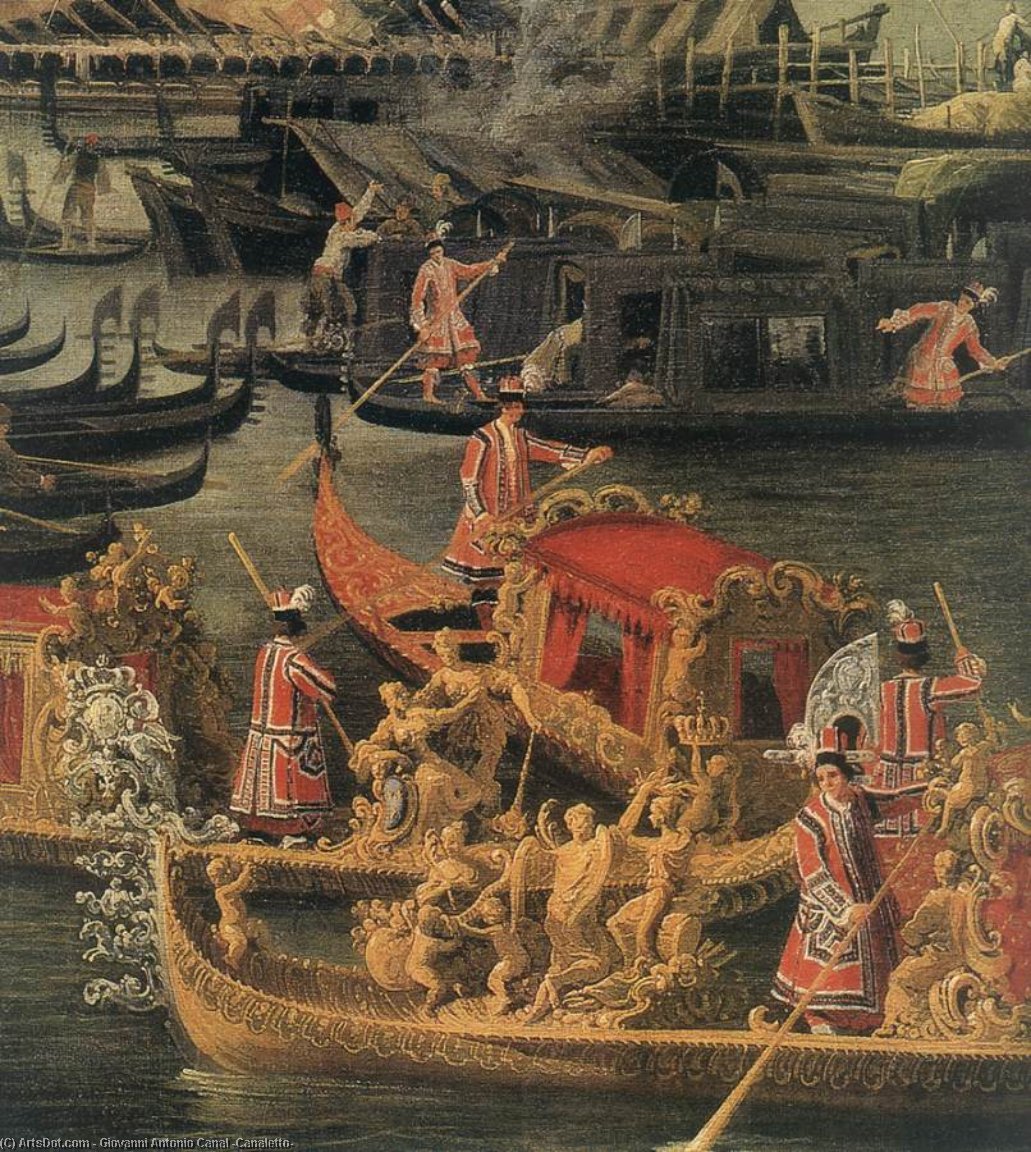
Giovanni Antonio Canaletto, known universally as Canaletto, gifted us with “Arrival of the French Ambassador in Venice,” a breathtaking panorama painted in 1740 that embodies the spirit of Baroque Venice. This monumental canvas—measuring 181 x 260 cm—currently resides within the Hermitage Museum in St. Petersburg, offering visitors an unparalleled glimpse into a pivotal moment in Venetian history and artistic achievement.
- Subject Matter: The painting depicts the formal arrival of Jean-François Régnaud de Montségues, the French Ambassador, at Saint Mark’s Square during his visit to Venice. Canaletto meticulously portrays the bustling scene surrounding the event – dignitaries, carriages, crowds, and a vibrant display of Venetian civic pride.
- Style: Canaletto's signature topographical style distinguishes him from many of his contemporaries. Rather than striving for dramatic illusionism or idealized beauty, he prioritized accuracy and detail, aiming to faithfully represent the physical environment. This approach aligns perfectly with the Enlightenment’s fascination for observation and empirical knowledge.
- Technique: Canaletto employed a masterful glazing technique—applying thin layers of translucent oil paint over previous coats—to achieve remarkable luminosity and depth. The subtle gradations of color capture the atmospheric haze characteristic of Venetian summers, creating an immersive experience for the viewer. Notice how he skillfully renders reflections on the water’s surface, enhancing the realism of the composition.
Historical Context: Venice at Its Zenith
Venice in the mid-18th century was a dominant maritime republic and a cultural powerhouse. The arrival of ambassadors from European powers like France underscored Venice's continued importance on the international stage. Canaletto’s depiction serves as a visual testament to this era of prosperity and artistic innovation.
The painting reflects the Venetian obsession with portraying their city in its splendor—a deliberate effort to bolster prestige and attract visitors. It exemplifies the Baroque ideal of grandeur and magnificence, reflecting the tastes of aristocratic patrons eager to showcase their wealth and influence.
Symbolism & Emotional Impact
Beyond mere representation, Canaletto’s work communicates a profound sense of Venetian identity. The meticulously rendered buildings—Saint Mark's Basilica, Doge’s Palace, Palazzo Vecchio—are symbols of Venetian power and artistic heritage.
The dynamic composition captures the energy of the occasion – the movement of carriages, the gestures of diplomats, and the expressions on the faces of onlookers. Canaletto succeeds in conveying not only what was seen but also how it felt to experience Venice at its most vibrant.
Conclusion: An Enduring Legacy
“Arrival of the French Ambassador in Venice” remains a cornerstone of Venetian art history and continues to inspire admiration for Canaletto’s artistic vision. Its meticulous detail, luminous palette, and evocative atmosphere transport viewers back to 18th-century Venice—a city celebrated for its beauty, sophistication, and enduring legacy.