The Soul of Venice: Giovanni Bellini’s Frari Triptych
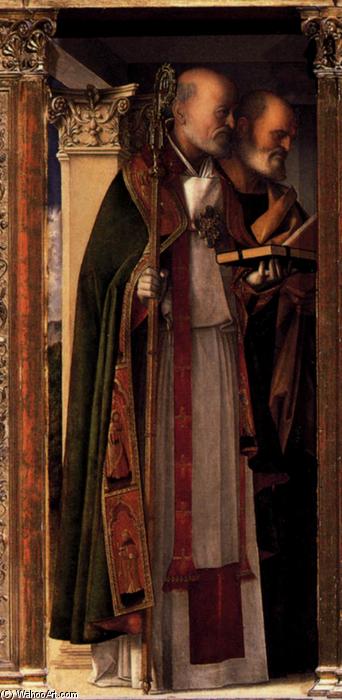
Within the hallowed walls of the Basilica di Santa Maria Gloriosa dei Frari in Venice resides a treasure – the Frari Triptych, or Pesaro Triptych, painted by the masterful Giovanni Bellini around 1488. This isn’t merely a religious depiction; it's a profound meditation on faith, humanity, and the very essence of Venetian life during the burgeoning Renaissance. The triptych, now presented as a detailed panel, offers a glimpse into Bellini’s evolving style – a harmonious blend of Byzantine tradition and the innovative spirit of his time, capturing both solemnity and an almost palpable sense of warmth.
Bellini's genius lay in his ability to imbue his subjects with life. The central panel showcases the Virgin Mary enthroned with the Christ Child, surrounded by a carefully orchestrated group of angelic musicians. Notice how Bellini eschews stark outlines and harsh contrasts, favoring instead a gradual build-up of color and light. This technique, perfected through his mastery of oil paint – a relatively new medium in Venice at the time – creates an astonishing sense of depth and luminosity. The rich blues and purples of Mary’s mantle, shimmering against the golden backdrop of the apse, draw the eye inward, inviting contemplation.
- Color & Light: Bellini's signature use of layered colors and subtle gradations of light creates an ethereal atmosphere.
- Composition: The carefully arranged figures within the triptych demonstrate a sophisticated understanding of perspective and balance.
- Symbolism: Each saint depicted carries specific symbolic weight, reflecting their roles in Christian theology and Venetian civic identity.
A Window into Venetian Society
The Frari Triptych is more than just a religious artwork; it’s a vibrant snapshot of 15th-century Venice. The inclusion of Saint Nicholas, Saint Peter, and Saint Mark – the patron saints of Venice – underscores the city's deep connection to its faith and its maritime power. The depiction of Saint Nicholas, holding a gift, subtly hints at the wealth and prosperity that flowed through Venetian trade routes. Furthermore, the architectural elements within the triptych—the stylized apse—are not simply decorative; they are designed to create an illusionistic space, blurring the boundaries between painting and reality, a hallmark of Bellini’s artistic vision.
The commission itself offers insight into Venetian society. The triptych was created for the Pesaro family, one of Venice's most influential noble families. Such commissions were not simply about adorning a chapel; they were statements of wealth, piety, and social standing. Bellini’s skill in capturing the likenesses of the Pesaro family members—evident in the subtle details of their robes and expressions—further emphasizes this connection.
The Legacy of a Venetian Master
Giovanni Bellini's Frari Triptych stands as a pivotal work in the history of Venetian painting. It represents a crucial transition from the rigid formality of the Gothic era to the more expressive and humanistic style that would characterize the High Renaissance. Bellini’s influence can be seen in the works of his successors, including Giorgione and Titian, who built upon his innovations in color, light, and composition.
Today, this exquisite panel offers a profound connection to the artistic genius of Venice during its golden age. It's a testament to Bellini’s ability to capture not just the outward appearance of religious figures but also their inner spirit—a quality that continues to resonate with viewers centuries later. The triptych invites us to lose ourselves in its luminous beauty and contemplate the timeless themes of faith, humanity, and the enduring legacy of Venetian art.