Giovanni Bellini (1433-1516): Venetian Renaissance master renowned for luminous colors, serene Madonnas & atmospheric landscapes. Influenced Giorgione & Titian.
Discover San Zaccaria, Venice: A Renaissance jewel showcasing masterpieces by Bellini & Castagno. Explore its unique architecture—a blend of Gothic and early Renaissance styles—and delve into the city's rich artistic heritage. Relics of Leo V add to this historical treasure.
Giovanni Bellini’s Saint Zacharias Altarpiece: A Window Into Venetian Renaissance Spirituality
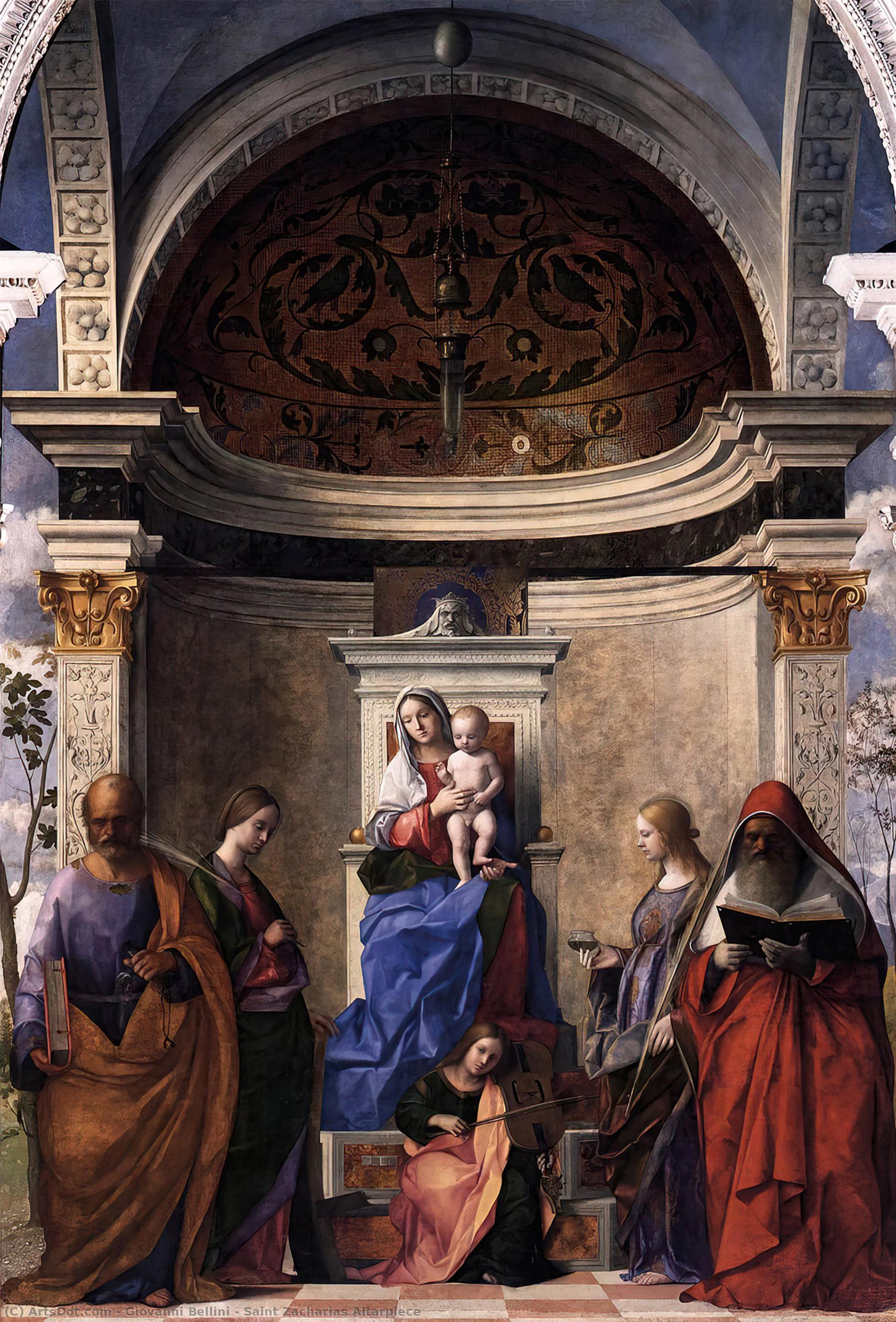
The *Saint Zacharias Altarpiece*, completed in 1505 by Giovanni Bellini, stands as a testament to the artistic fervor of Venice during its golden age—a period defined by humanist ideals and an unparalleled devotion to religious iconography. Located within the Church of San Zaccaria, Venice, this monumental painting isn’t merely decorative; it's a carefully crafted narrative designed to inspire contemplation and convey profound spiritual truths. Bellini’s masterful handling of color and light elevates the scene beyond mere representation, immersing viewers in an atmosphere of serene solemnity.
Composition and Technique: Mastering Light and Color
Bellini’s technique exemplifies the Venetian Renaissance preoccupation with naturalism while simultaneously adhering to Byzantine conventions. He employs a pyramidal composition—a hallmark of Venetian art—drawing the eye upwards towards Mary and Christ Child at its apex. The artist skillfully utilizes chiaroscuro, manipulating light and shadow to sculpt figures and create depth within the architectural setting. Notice how Bellini renders the drapery folds with luminous brushstrokes, capturing the subtle nuances of fabric texture and conveying a palpable sense of movement—a departure from the static depictions favored by earlier artists. The palette is dominated by rich hues – deep reds, blues, and golds – reflecting not only visual beauty but also symbolic significance rooted in Christian theology. These colors are meticulously blended to achieve an ethereal glow, mirroring the divine radiance associated with holiness.
Historical Context: Venice’s Artistic Ascendancy
The painting emerged during a time of significant cultural transformation in Venice. The city had established itself as a dominant maritime power and a burgeoning center for artistic patronage—thanks largely to the wealth generated by trade routes across the Mediterranean. Bellini benefited from this environment, aligning himself with influential families like Mocenigo and Grimani who commissioned ambitious artworks reflecting their piety and prestige. Furthermore, Bellini’s work reflects the broader humanist movement gaining traction throughout Europe, which championed human reason alongside faith—a subtle shift away from the purely symbolic representations of medieval art. The altarpiece speaks to a Venice grappling with its role in the evolving religious landscape of the Renaissance.
Symbolism: Narrating Divine Grace
The Saint Zacharias Altarpiece is replete with symbolism designed to communicate theological concepts. Mary, depicted as the Virgin Mother, embodies humility and compassion—central virtues within Christian tradition. Her serene gaze directs attention towards Christ Child, symbolizing divine grace and redemption. The surrounding saints represent various figures revered throughout Christendom, serving as witnesses to God’s mercy and guiding souls toward salvation. The architectural backdrop – a stylized representation of Jerusalem – reinforces the narrative's sacred dimension. Even the books scattered across the scene symbolize scripture and knowledge—essential components of spiritual enlightenment. Bellini’s careful selection of imagery underscores the importance of faith in shaping human experience.
Emotional Impact: A Balm for the Soul
Ultimately, Bellini’s Saint Zacharias Altarpiece transcends mere visual spectacle; it aspires to evoke a profound emotional response from the viewer. The painting's tranquil atmosphere invites contemplation and fosters a sense of reverence—a deliberate aim reflecting the spiritual values of Venetian society at the time. Its luminous colors and masterful composition instill a feeling of serenity, transporting viewers into a realm of divine beauty. As Smarthistory eloquently describes, “Bellini opens up this painting’s space, but holds the viewer at bay.” This careful balance between visual splendor and contemplative stillness ensures that the altarpiece continues to resonate with audiences centuries later—a timeless masterpiece capturing the essence of Venetian Renaissance spirituality.