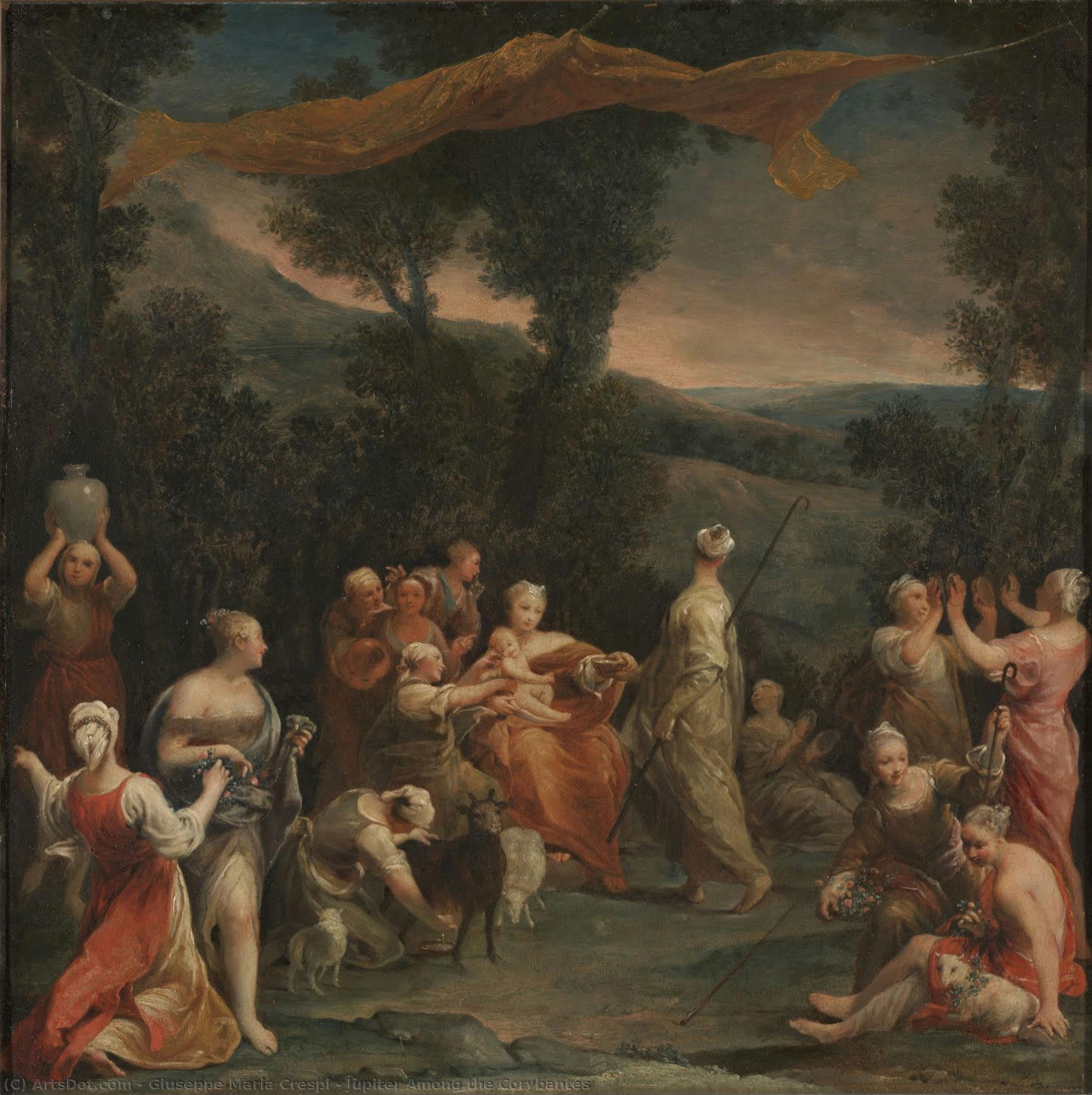
Experience Giuseppe Maria Crespi’s revolutionary ‘Jupiter Among the Corybantes,’ a captivating Baroque genre painting depicting maternal devotion and intimate domestic scenes with copper glazes. Discover this Bolognese original and bring home a unique piece of art history.
Explore Giuseppe Maria Crespi (1665-1747), a leading Bolognese Baroque painter celebrated for his genre scenes, portraits & religious works. Known as 'Lo Spagnuolo', he blended realism with captivating detail.
Kimbell Art Museum
(Fort Worth, United States of America)
Discover the Kimbell Art Museum's stunning architecture & world-class European art collection. Explore masterpieces by Rembrandt, El Greco & more in Fort Worth’s Cultural District.
Giuseppe Maria Crespi: A Revolutionary Voice in Bolognese Baroque
Giuseppe Maria Crespi stands apart from his contemporaries as an artist who dared to challenge conventions and forge a uniquely personal vision of the Baroque era. Born in Bologna in 1665, Crespi’s career blossomed amidst the opulent artistic patronage of the Habsburg court, yet he rejected the rigid formalism favored by many of his peers, prioritizing observation and psychological nuance—a distinction that cemented his legacy as one of Bolognese painting's most innovative figures. Unlike artists preoccupied with grand mythological narratives or idealized religious depictions, Crespi focused on capturing the everyday realities of human experience, particularly within domestic interiors and portraits of women. This deliberate choice signaled a profound shift away from established artistic traditions and toward an exploration of inner life and emotional resonance.
The Subject Matter: Domestic Tranquility and Maternal Care
“Jupiter Among the Corybantes,” painted around 1730, exemplifies Crespi’s distinctive approach to genre painting. The scene depicts a woman tenderly caring for her infant son amidst a group of nymphs—a deliberate allusion to the myth of Saturn devouring his sons to protect Jupiter from prophecy. This narrative device underscores themes of maternal devotion and safeguarding progeny, reflecting anxieties prevalent during the Baroque period regarding lineage and divine favor. Crespi’s masterful depiction captures not just physical appearance but also subtle gestures and expressions that convey a palpable sense of warmth and intimacy—a hallmark of his oeuvre. The artist skillfully portrays the delicate interplay between mother and child, conveying an emotional depth rarely achieved by artists of his time.
Technique and Material: Copper Glazes and Delicate Color Palette
Crespi’s technique distinguishes him from many Baroque painters who relied on heavy brushstrokes and dramatic chiaroscuro effects. Instead, he employed a revolutionary method—the use of thin copper glazes—allowing for unprecedented luminosity and transparency within his paintings. This innovative approach enabled Crespi to achieve remarkable tonal gradations and subtle color harmonies, particularly evident in the apricot and cherry draperies adorning the figures. The meticulous layering of translucent pigments created an ethereal quality that captured the essence of light and atmosphere—a technique considered groundbreaking by scholars of the era. Furthermore, Crespi’s attention to detail extended beyond mere representation; he meticulously rendered textures and surfaces, imbuing his canvases with a remarkable sense of realism.
Symbolism: Musical Harmony and Visual Echoes
The composition itself is imbued with symbolic significance. Crespi arranges the figures in a manner reminiscent of musical notes—a deliberate reference to the “Bactili,” or rhythmic clanging of bronze cymbals used by the Corybantes to mask Jupiter’s cries. This visual metaphor underscores the painting's melodic quality and reinforces its thematic focus on harmony and balance. The diminutive cymbals, vessels, and floral wreaths held by the nymphs serve as further echoes of musical instruments—creating a cohesive visual experience that transcends mere depiction. These elements contribute to an overall impression of serenity and grace, reflecting Crespi’s belief in art's capacity to evoke profound emotional responses.
Emotional Impact: Intimacy and Psychological Insight
Ultimately, “Jupiter Among the Corybantes” succeeds in conveying a powerful sense of human emotion—a rare accomplishment for Baroque painting. Crespi captures not just outward appearances but also inner states of mind, portraying the woman’s tenderness and concern with remarkable sensitivity. The painting invites viewers to contemplate themes of motherhood, protection, and familial bonds—connecting them to universal experiences of compassion and devotion. Crespi's masterful use of color and light enhances this emotional resonance, creating an atmosphere that is both luminous and contemplative. It stands as a testament to his ability to transform everyday life into artful contemplation.