Introduction to Gustav Klimt and the Vienna Secession
Gustav Klimt (1862-1918), a key figure in the Vienna Secession movement, profoundly impacted art with his focus on the female body and his distinct, often erotically charged style. Born in Baumgarten near Vienna in Austria, Klimt struggled with poverty while studying architectural painting at the Vienna School of Arts and Crafts until 1883. He began work painting interior murals and ceilings in large public buildings, such as the Burgtheater in Vienna.
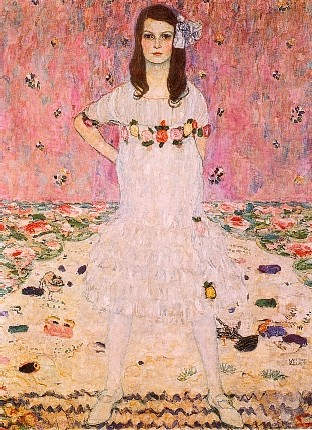
Klimt's '37. Retrato de Mäda Primavesi, hacia 1912': A Masterpiece of Symbolism
In
37. Retrato de Mäda Primavesi, hacia 1912, Klimt masterfully combines his signature style with the portrait of a young girl, Mäda Primavesi. The painting features Klimt's characteristic use of flat, decorative patterns and gold leaf, which he employed to create an opulent atmosphere. This work exemplifies Klimt's ability to merge portraiture with symbolism, as seen in the intricate details and rich colors that envelop Mäda.
Klimt's Legacy and ArtsDot's Hand-Made Oil Paintings
Today, Gustav Klimt remains a celebrated artist, with his works gracing museums and private collections worldwide. At
ArtsDot, we offer high-quality hand-made oil painting reproductions of Klimt's masterpieces, including
37. Retrato de Mäda Primavesi, hacia 1912. Our skilled artists meticulously recreate each detail, ensuring a stunning and accurate representation of the original piece.
Conclusion: The Lasting Impact of Gustav Klimt and His Art
Gustav Klimt's contributions to the art world continue to inspire artists and captivate audiences. By embracing symbolism, decorative patterns, and a unique approach to portraiture, Klimt created unforgettable masterpieces that remain relevant and influential today. At ArtsDot, we are proud to offer faithful reproductions of these iconic works, allowing art enthusiasts to enjoy Klimt's genius in their own homes.