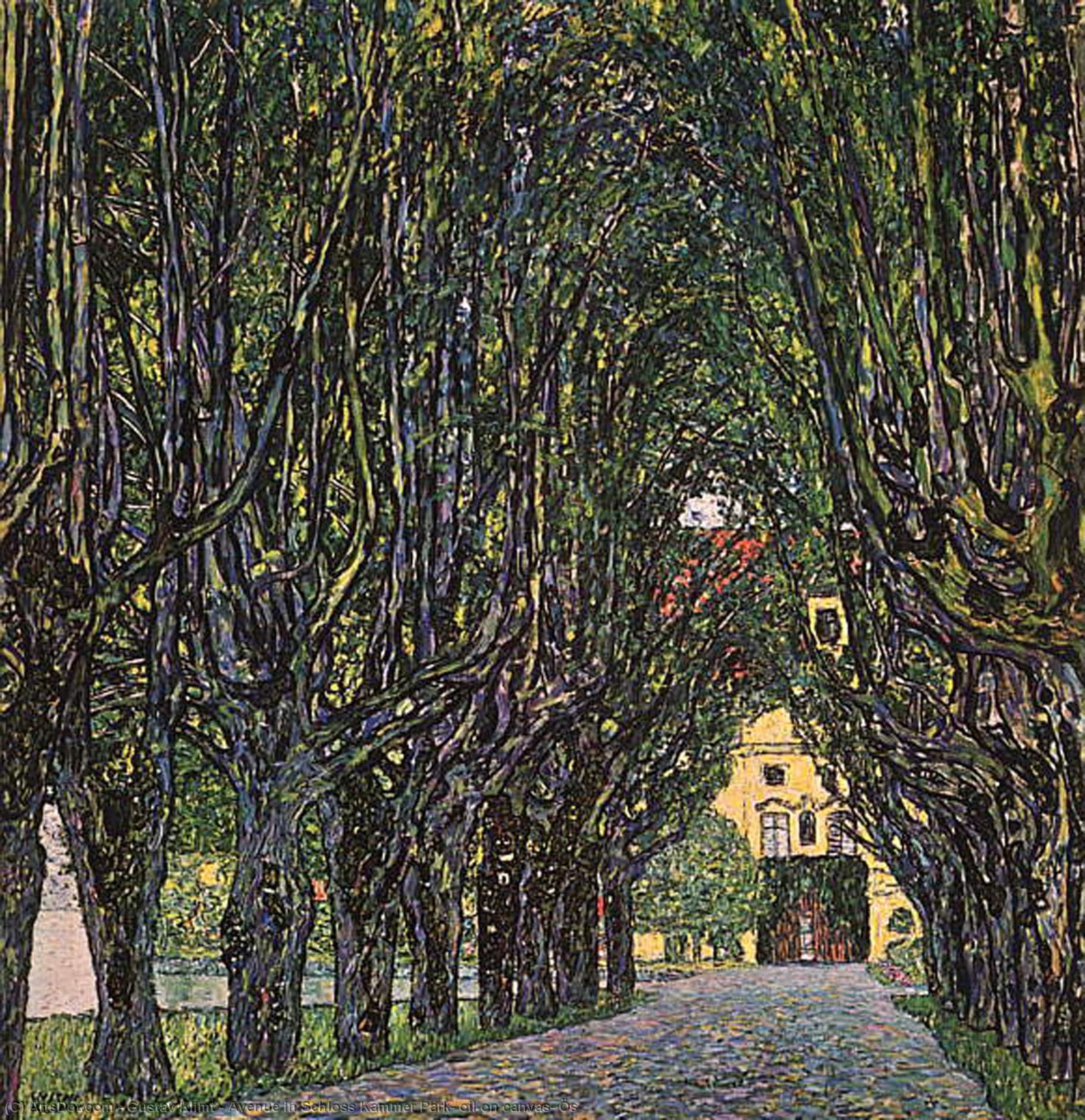
A Serene Pathway into Klimt’s Landscape: *Avenue in Schloss Kammer Park*
Gustav Klimt's 1912 oil painting, *Avenue in Schloss Kammer Park*, offers a captivating glimpse into the Austrian countryside, showcasing his distinctive approach to landscape painting. Departing from the opulent portraits for which he is most famous, this work reveals Klimt’s mastery of atmospheric perspective and subtle color harmonies within a natural setting. The scene depicts a tree-lined avenue leading towards an unseen building, bathed in the soft light characteristic of a tranquil summer day.
Artistic Style & Technique: Bridging Realism and Expression
While rooted in observation, *Avenue in Schloss Kammer Park* transcends mere representation. Klimt employs a style that blends elements of Impressionism and early Expressionism. The brushwork is visible and energetic, creating a textured surface that animates the foliage. He doesn’t strive for photographic accuracy; instead, he prioritizes conveying the *feeling* of being within this lush environment. Notice how the trees aren't individually rendered with meticulous detail but are suggested through layered strokes of green, ochre, and brown. This technique creates a sense of depth and atmosphere, drawing the viewer into the scene. The flattened perspective and bold lines hint at Klimt’s broader artistic explorations with decorative patterns seen in his more iconic works.
Historical Context: A Moment of Transition
Created during a pivotal period in Klimt's career – between the height of the Vienna Secession and the outbreak of World War I – this painting reflects a shift towards greater experimentation with landscape. Klimt had already established himself as a leading figure in the Art Nouveau movement, known for its ornate designs and symbolic imagery. However, by 1912, he was increasingly drawn to capturing the beauty of the natural world around him. This work exemplifies that transition, retaining his signature stylistic flourishes while embracing a more direct engagement with nature. The Leopold Museum in Vienna holds an extensive collection of Klimt’s works, providing valuable insight into this period of artistic development.
Symbolism and Emotional Resonance
The avenue itself can be interpreted as a symbolic pathway – a journey or passage through life. The trees, standing like silent sentinels, evoke feelings of both enclosure and protection. The glimpse of the building in the distance suggests a destination, but one that remains partially obscured, inviting contemplation. *Avenue in Schloss Kammer Park* isn’t about a specific place; it's about a state of mind – a feeling of peaceful solitude and connection with nature. The painting exudes a sense of calm and serenity, offering respite from the complexities of modern life.
Klimt’s Legacy & Collecting Today
Gustav Klimt remains one of Austria's most celebrated artists, and his works continue to inspire awe and admiration worldwide. Alongside *Avenue in Schloss Kammer Park*, masterpieces like
Farmhouse in Upper Austria,
Farm Garden with Crucifix, and
Portrait of Mäda Primavesi demonstrate the breadth of his artistic vision. For collectors and interior designers, a Klimt reproduction offers an opportunity to bring a touch of Viennese elegance and timeless beauty into any space.
ArtsDot.com provides meticulously crafted, handmade oil painting reproductions, allowing you to experience the magic of Klimt’s artistry firsthand.
- Gustav Klimt: Avenue in Schloss Kammer Park, oil on canvas, Ös
- Gustav Klimt: Farmhouse in Upper Austria
- Gustav Klimt: Farm Garden with Crucifix
- Gustav Klimt: Portrait of Mäda Primavesi