Discover Gustav Klimt (1862-1918), the Austrian Symbolist master of Art Nouveau! Explore his iconic 'Golden Phase,' sensual portraits, and masterpieces like *The Kiss*. Learn about his life, influences & legacy.
Discover Hungary’s rich artistic heritage at Budapest's Museum of Applied Arts! Explore stunning collections of furniture, textiles, metalwork & glass in a breathtaking Art Nouveau masterpiece by Ödön Lechner. Ongoing renovations.
A Crown of Pallas: Klimt’s Ex-Libris – A Symbol of Secessionist Identity
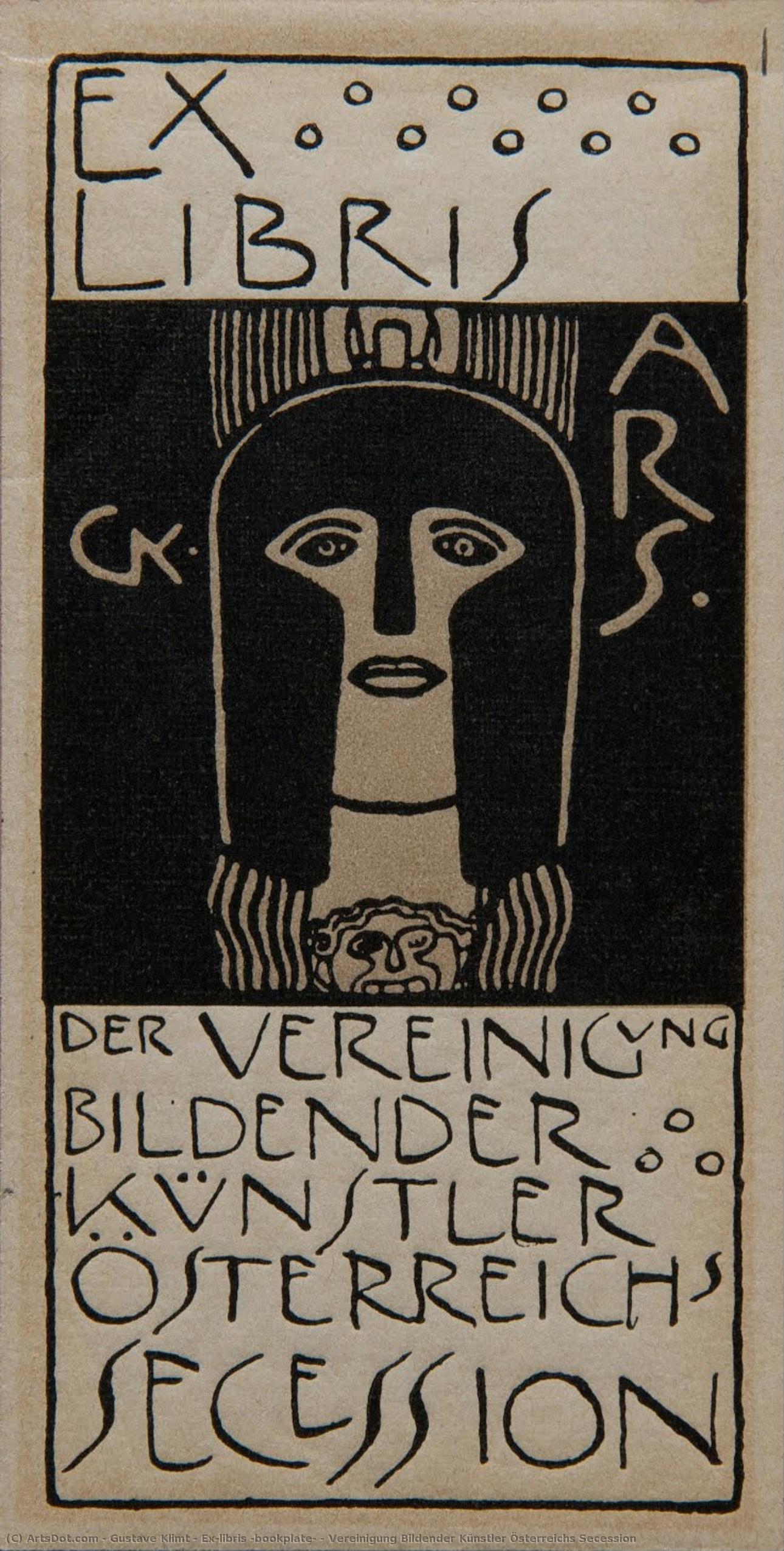
Gustav Klimt's 1903 “Ex-libris (bookplate) - Vereinigung Bildender Künstler Österreichs Secession” is more than a simple bookplate; it’s a concentrated distillation of the Vienna Secession’s artistic philosophy and a poignant reflection on the goddess Pallas Athena. Created during a pivotal moment in Austrian art history, this small yet powerfully resonant work encapsulates the group's desire to break free from academic tradition and forge a new path rooted in symbolism, decorative intensity, and a profound engagement with the spirit of their age. The piece immediately draws the eye with its arresting composition: a stylized female head, crowned with a radiant halo, dominates the central space, framed by an intricate, swirling border reminiscent of Byzantine mosaics and Klimt’s own signature gold leaf technique.
- The Secessionist Context: The Wiener Secession, founded in 1897, represented a radical departure from established artistic norms. Its members – including Klimt, Schiele, and Hoffmannsthal – sought to create an art that was not merely decorative but deeply expressive of the modern experience. They rejected the rigid rules of the Akademie der Bildenden Künste (Academy of Fine Arts) and embraced a spirit of experimentation and intellectual freedom.
- Pallas Athena’s Significance: The figure of Pallas Athena, Greek goddess of wisdom and strategic warfare, held particular significance for the Secessionists. She symbolized their commitment to intellect, innovation, and a bold assertion of artistic independence. Her presence on the poster and catalogue coverplate established a powerful visual motif that permeated much of their work.
The Language of Ornament: Technique and Materiality
Klimt’s masterful manipulation of color and texture is immediately apparent in this ex-libris. The dominant palette—a rich tapestry of gold, deep blues, and vibrant reds—evokes the opulence of Byzantine art while simultaneously reflecting the burgeoning interest in decorative arts during the Art Nouveau period. Klimt's signature use of gold leaf isn’t merely applied superficially; it’s integrated into the very structure of the design, creating a shimmering, almost ethereal effect. The swirling patterns and stylized floral motifs within the border are not simply ornamental; they represent a complex system of symbolic associations—a visual language that speaks to the group's shared aesthetic values.
Technique Details:
- Gold Leaf Application: Klimt’s application of gold leaf was revolutionary, creating a depth and luminosity previously unseen in painting.
- Mosaical Patterns: The intricate border draws heavily on the tradition of Byzantine mosaics, reflecting the Secessionists' fascination with ancient art forms.
- Stylized Forms: The female head is rendered in simplified, almost geometric shapes, emphasizing its symbolic power over realistic representation.
Symbolism and Emotional Resonance
Beyond its technical brilliance, “Ex-libris” carries a profound emotional weight. The crowned woman’s serene expression suggests wisdom, strength, and an unwavering commitment to her ideals. She embodies the Secessionists' belief in the power of art to transform society and elevate human consciousness. The image can be interpreted as a declaration of artistic intent – a visual manifesto asserting the group’s right to define their own aesthetic standards. The small scale of the ex-libris—designed for use on books—further emphasizes its intimate, almost private nature, suggesting that this was a symbol intended for internal reflection and reaffirmation within the Secessionist community.
The work resonates with a sense of both intellectual rigor and sensual delight. It’s a testament to Klimt's ability to synthesize complex ideas into visually arresting forms, creating an image that continues to captivate viewers over a century later. A reproduction captures this exquisite detail and vibrant color palette, offering a beautiful addition to any art collection or interior space.
Collecting and Displaying Your Klimt Reproduction
ArtsDot offers meticulously crafted hand-painted reproductions of Gustav Klimt’s “Ex-libris,” ensuring that you can experience the full beauty and emotional impact of this iconic artwork. Our reproductions utilize archival-quality materials and techniques, faithfully recreating Klimt's signature style and color palette. Whether displayed in a private gallery or incorporated into a larger interior design scheme, a ArtsDot reproduction will serve as a stunning reminder of Vienna’s artistic heritage and the enduring legacy of Gustav Klimt. Consider framing your reproduction with a complementary gold-toned frame to further enhance its visual impact – a subtle nod to the artist's masterful use of this precious material.