Gustav Klimt: A Symphony of Gold and Symbolism
Gustav Klimt (1862-1918) was an Austrian symbolist painter, widely regarded as one of the most important artists of the late 19th and early 20th centuries. His work, which includes paintings, murals, and sketches, is characterized by its decorative style, sensuality, and exploration of the human psyche. One of his most iconic creations remains
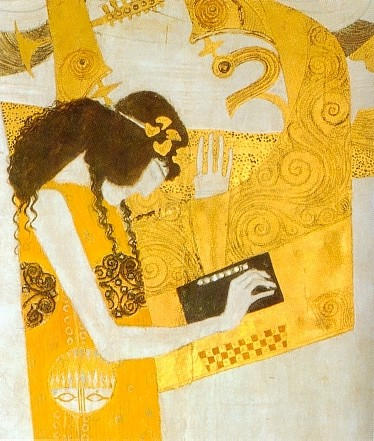
Gustav Klimt’s *Friso Beethoven. Alegría, inspiración divina (detalle), 1902*, a monumental panel commissioned for the Fourteenth Vienna Secession exhibition in 1902—a testament to his artistic vision and enduring legacy.
- Vienna Secession: Klimt’s involvement with the Secession movement marked a pivotal moment in Viennese art history, challenging academic conventions and advocating for artistic freedom.
- Musical Inspiration: The frieze draws heavily from Ludwig van Beethoven's Ninth Symphony, specifically its triumphant finale—a deliberate choice to express themes of joy, transcendence, and overcoming adversity.
- Decorative Style: Klimt’s signature style is instantly recognizable through the extensive use of gold leaf, meticulously applied to create shimmering surfaces that dominate the composition. This technique reflects the influence of Byzantine mosaics and Japanese art, highlighting Klimt's fascination with opulent ornamentation.
The Compositional Narrative
“Friso Beethoven” is divided into three distinct sections—‘Pessimism’, ‘Triumph over Pessimism’, and ‘Hymn to Joy’—each representing a stage in Beethoven's musical journey and mirroring Klimt’s artistic exploration of human emotion. The central panel depicts a female figure embodying joy, surrounded by putti (cherubs) symbolizing divine inspiration. This imagery underscores the transformative power of art as a conduit for spiritual enlightenment.
- Symbolic Figures: The putti are adorned with intricate patterns and geometric shapes—a hallmark of Klimt’s style—representing the radiant beauty and harmony associated with divine grace.
- Color Palette: Klimt employs a rich color palette dominated by gold, ochre, and muted reds—colors that evoke feelings of warmth, grandeur, and solemn contemplation.
- Technique: Klimt’s meticulous application of gold leaf demonstrates unparalleled craftsmanship, elevating the frieze beyond mere decoration into an immersive experience for the viewer.
Analyzing Symbolism and Emotional Impact
The
Alegría, inspiración divina (detalle), 1902 embodies the core principles of Symbolism—a movement that sought to convey profound ideas through evocative imagery and veiled references. Klimt’s intention was not simply to depict beauty but to provoke contemplation on themes of faith, hope, and artistic achievement.
- Allegory: The frieze operates as an allegory, representing the human spirit's struggle against darkness and its ultimate triumph over despair—a message that resonates powerfully with audiences today.
- Emotional Resonance: Klimt’s masterful use of color and texture creates a palpable emotional atmosphere, inviting viewers to immerse themselves in the sublime grandeur of artistic expression.
- Legacy: *Friso Beethoven* continues to inspire artists and collectors alike—a timeless masterpiece that exemplifies Klimt's genius and secures his place among the greatest painters of all time.
For those eager to appreciate this extraordinary artwork in detail, explore high-quality reproductions at this page on ArtsDot. Discover the beauty of Klimt’s vision through stunning prints and canvases.