Gustav Klimt’s ‘Girl Friends’: A Study in Intimacy and Symbolism
Gustav Klimt's “Girl Friends,” completed in 1916–17, stands as a cornerstone of his oeuvre—a testament to the artist’s masterful command of decorative art and his profound exploration of human emotion. This captivating painting transcends mere representation; it delves into themes of feminine connection, vulnerability, and unspoken desire, rendered with an arresting blend of expressive linework and opulent color palettes that continue to resonate with audiences today.
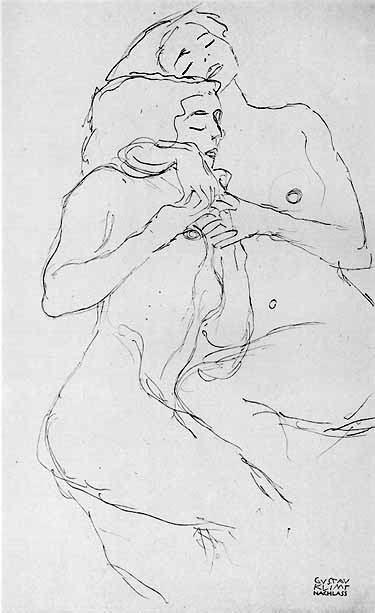
- Subject Matter: The artwork depicts two nude women entwined in a tender embrace—a deliberate departure from Klimt’s earlier portraits focused on idealized figures. Rather than portraying formal beauty, he captures the essence of genuine intimacy, presenting a scene of quiet contemplation and shared experience.
- Style & Technique: “Girl Friends” embodies Klimt's signature "Golden Phase," characterized by flattened planes, bold brushstrokes, and an overwhelming use of gold leaf—a technique that elevates the painting beyond mere visual depiction into a richly textured surface imbued with symbolic significance. The artist’s rapid linework captures the immediacy of gesture and emotion, prioritizing expressive dynamism over meticulous realism.
- Historical Context: Created during Klimt's prolific output in Vienna at the height of Art Nouveau, “Girl Friends” reflects the broader artistic currents of its time—a fascination with organic forms, sensual beauty, and decorative embellishment. It aligns perfectly with Klimt’s exploration of oriental motifs and his preoccupation with portraying female sexuality, themes that would become central to his artistic vision.
- Color Palette: The painting's monochrome palette—primarily black lines against a white background—serves as an ingenious device for directing the viewer’s gaze toward the contours of the figures and their expressive gestures. This simplicity amplifies the emotional impact of the artwork, highlighting the subtle nuances of posture and expression.
- Symbolism: The composition itself is laden with symbolic meaning. The intertwined bodies represent unity and vulnerability, while the careful positioning of the women—one gazing outward, one turned inward—suggests a dialogue between inner contemplation and external awareness. Furthermore, the incorporation of birds and flowers—traditional emblems of luck and fertility—adds layers of visual richness and reinforces the painting’s overarching theme of harmonious connection.
“Girl Friends” is more than just an aesthetically pleasing image; it's a profound meditation on human relationships and the complexities of desire. Klimt’s masterful technique—particularly his innovative use of gold leaf—transforms the canvas into a shimmering surface that captures not only the visual beauty of the scene but also its emotional core. This artwork remains a captivating exemplar of Art Nouveau’s expressive power, inviting viewers to contemplate the enduring allure of intimacy and symbolism.