Gustav Klimt’s ‘Josef Lewinsky’: A Portrait Steeped in Symbolism and Viennese Elegance
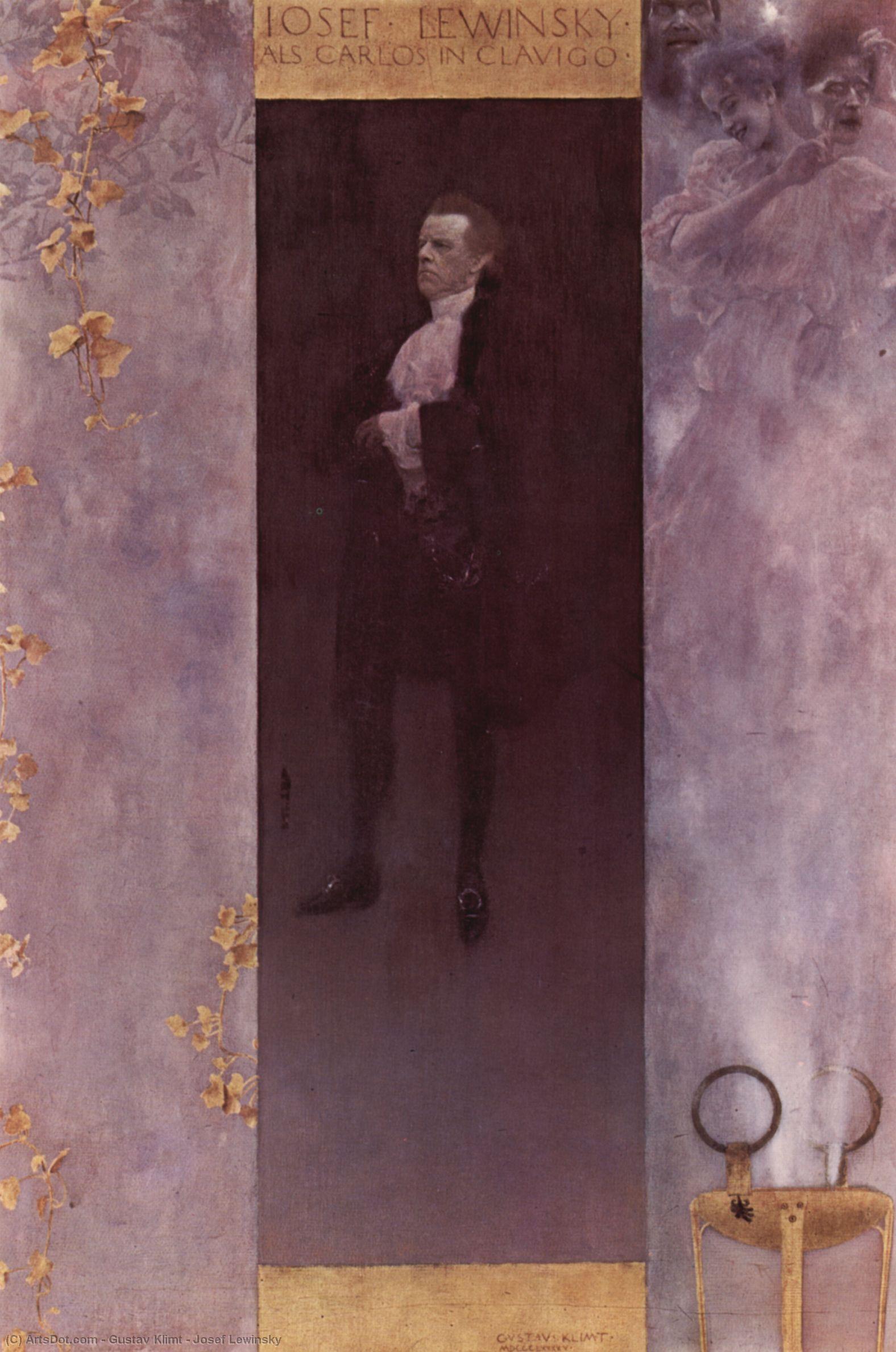
Gustav Klimt’s “Josef Lewinsky,” completed in 1895, stands as a cornerstone of the Vienna Secession movement and exemplifies the opulent aesthetic characteristic of Art Nouveau. Painted for Belvedere Gallery in Wien, this portrait transcends mere representation; it delves into psychological depth and artistic innovation, capturing the essence of its subject—actor Josef Lewinsky—within a meticulously crafted visual language.
- Subject Matter: The painting depicts Josef Lewinsky as Carlos in Clavigo, a theatrical role that demanded charisma and dramatic presence. Klimt skillfully portrays Lewinsky’s gaze directed towards the horizon, conveying a contemplative mood and hinting at inner thoughts beyond the immediate frame.
- Style & Technique: Klimt firmly established himself within the Symbolist tradition, prioritizing emotional expression over literal depiction. He achieved this through masterful application of gold leaf—a technique pioneered by Alphonse Mucha and embraced wholeheartedly by the Secessionists—creating a shimmering surface that elevates the portrait beyond conventional realism. The intricate decorative patterns surrounding Lewinsky’s figure contribute to the overall grandeur and reinforce Klimt's stylistic vision.
- Historical Context: Created during Vienna’s artistic ferment, “Josef Lewinsky” reflects the Secession’s rejection of academic conventions and its pursuit of new forms of artistic expression. The Secession aimed to liberate art from restrictive rules, championing individualism and exploring themes of mythology, eroticism, and psychological complexity—values powerfully embodied in Klimt's oeuvre.
- Symbolism & Imagery: Klimt’s use of gold leaf is laden with symbolic significance, representing divinity, wealth, and spiritual illumination. The geometric patterns interwoven throughout the composition symbolize order and harmony, contrasting with Lewinsky’s gaze—a symbol of introspection and contemplation. These elements converge to communicate a profound statement about human experience and artistic aspiration.
- Emotional Impact: “Josef Lewinsky” evokes a sense of dignified solemnity mingled with subtle vulnerability. Klimt's masterful rendering captures the sitter's inner life, inviting viewers to contemplate themes of identity, performance, and the elusive nature of consciousness. The painting’s enduring appeal lies in its ability to resonate emotionally with audiences across generations.
A reproduction of “Josef Lewinsky” offers an exceptional opportunity to immerse oneself in Klimt's artistic genius and experience the captivating beauty of Art Nouveau. ArtsDot presents meticulously crafted reproductions that faithfully capture the original artwork’s luminous texture and symbolic richness, bringing this iconic masterpiece into your home or studio.