A Fragment of Viennese Modernism: Klimt’s Letter to Zimmermann
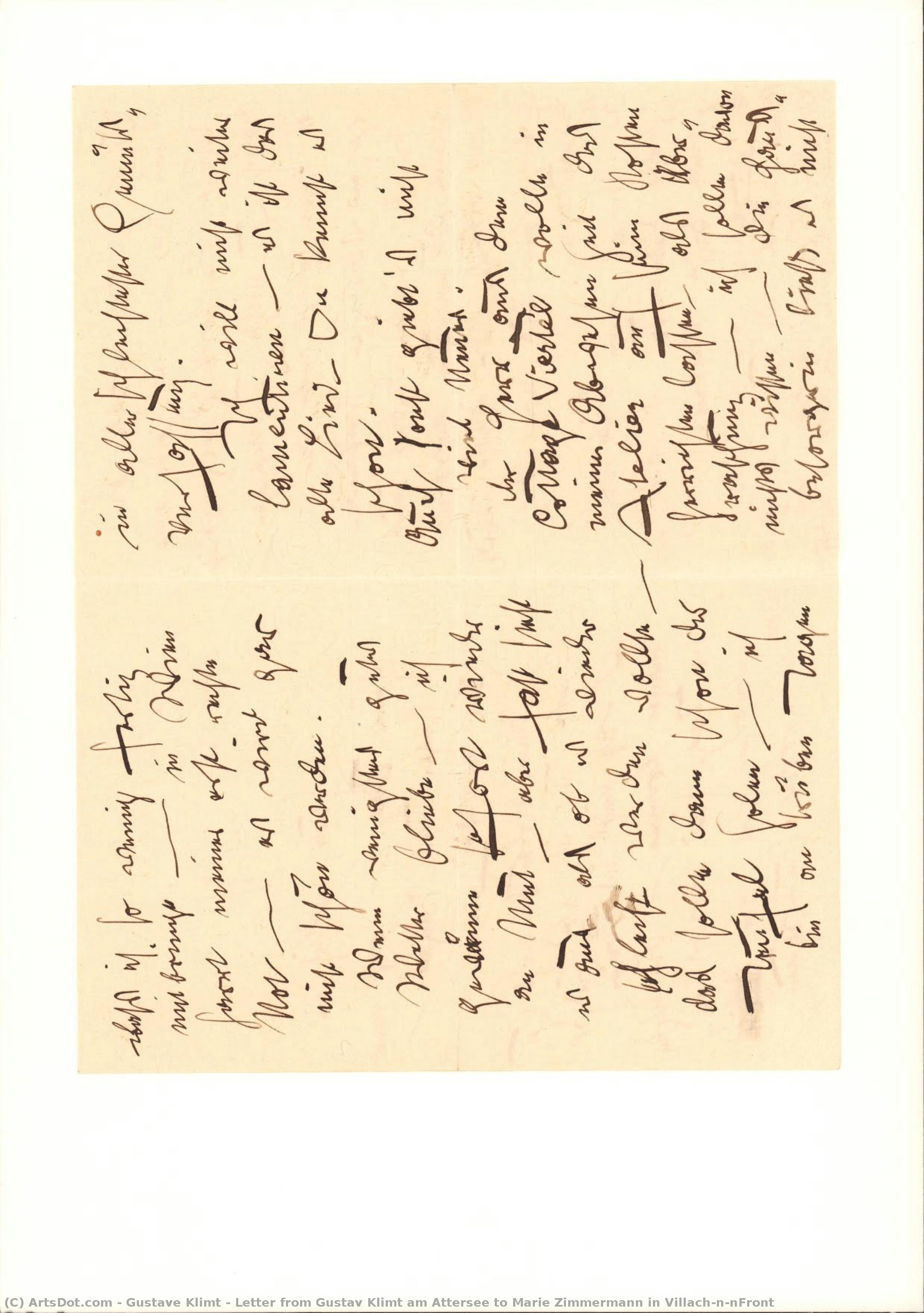
This unassuming handwritten letter, penned by Gustav Klimt in 1903 to Marie Zimmermann in Villach, Austria, offers a glimpse into the creative mind of one of Vienna's most celebrated artists. More than just a personal correspondence, it embodies the spirit of the burgeoning Art Nouveau movement and encapsulates Klimt’s distinctive artistic vision—a vision characterized by opulent ornamentation, intricate patterns, and a profound exploration of themes relating to femininity and spirituality. The letter itself is a testament to Klimt’s meticulous craftsmanship; its aged paper bears witness to the passage of time, yet retains an immediacy that speaks volumes about the artist's inner thoughts.
- Subject Matter: The letter details Klimt’s discussions with Zimmermann regarding artistic endeavors and personal matters—primarily centered around their collaborative project on a monumental mural destined for Schloss Schönbrunn Palace. This commission represents a pivotal moment in Klimt’s career, marking his foray into large-scale public art and solidifying his reputation as a leading figure of Viennese Modernism.
- Style: Klimt's handwriting style—cursive and expressive—mirrors the stylistic hallmarks of Art Nouveau. The letter’s aesthetic is infused with flowing lines, floral motifs, and stylized lettering, reflecting the movement’s fascination with organic forms and decorative embellishment. It stands in stark contrast to the rigid academic conventions that dominated artistic circles at the time.
- Technique: Klimt famously employed gold leaf extensively throughout his oeuvre, a technique he skillfully adapted for this letter. The subtle shimmer of gold subtly enhances the texture of the paper, adding an element of luxurious materiality that underscores the grandeur of Klimt’s ambitions and artistic sensibilities. This masterful use of gold leaf is emblematic of Art Nouveau's desire to elevate decorative arts into realms of sublime beauty.
Historical Context: Schönbrunn Palace and Artistic Patronage
The letter’s significance extends beyond the confines of Klimt’s personal life; it resides within a broader historical context—namely, the patronage system prevalent in Vienna at the turn of the century. Schloss Schönbrunn Palace, Habsburg imperial residence, served as a focal point for artistic innovation and experimentation. Emperor Franz Joseph I actively encouraged artists to push boundaries and explore new aesthetic directions, recognizing that creativity was essential to maintaining Austria’s cultural prestige. Klimt's involvement in this monumental mural project exemplifies this spirit of patronage and underscores the importance of collaborative endeavors in shaping artistic discourse.
Symbolism: Femininity and Spiritual Reflection
The themes explored within the letter—particularly Zimmermann’s role as a muse and collaborator—reflect Klimt’s preoccupation with feminine ideals and spiritual contemplation. Klimt's art consistently portrays women as symbols of beauty, grace, and inner strength—figures imbued with mythological connotations and representing transcendence beyond earthly concerns. The delicate floral imagery incorporated into Art Nouveau, including the stylized blossoms adorning Zimmermann’s name on the letter, reinforces this symbolic dimension, conveying a reverence for nature and an aspiration toward spiritual harmony.
Emotional Impact: Intimacy and Artistic Vision
Ultimately, Klimt's Letter to Zimmermann transcends its formal documentation of artistic discussions; it captures the essence of creative passion and intellectual curiosity. The handwritten script conveys a palpable sense of intimacy—a glimpse into Klimt’s innermost thoughts as he wrestled with challenges and celebrated breakthroughs in his artistic journey. This letter serves as a poignant reminder that even seemingly mundane objects can hold profound significance, encapsulating the spirit of an era defined by artistic daring and unwavering belief in the transformative power of beauty.