A Goddess Reimagined: Exploring Klimt’s ‘Minerva or Pallas Athena’
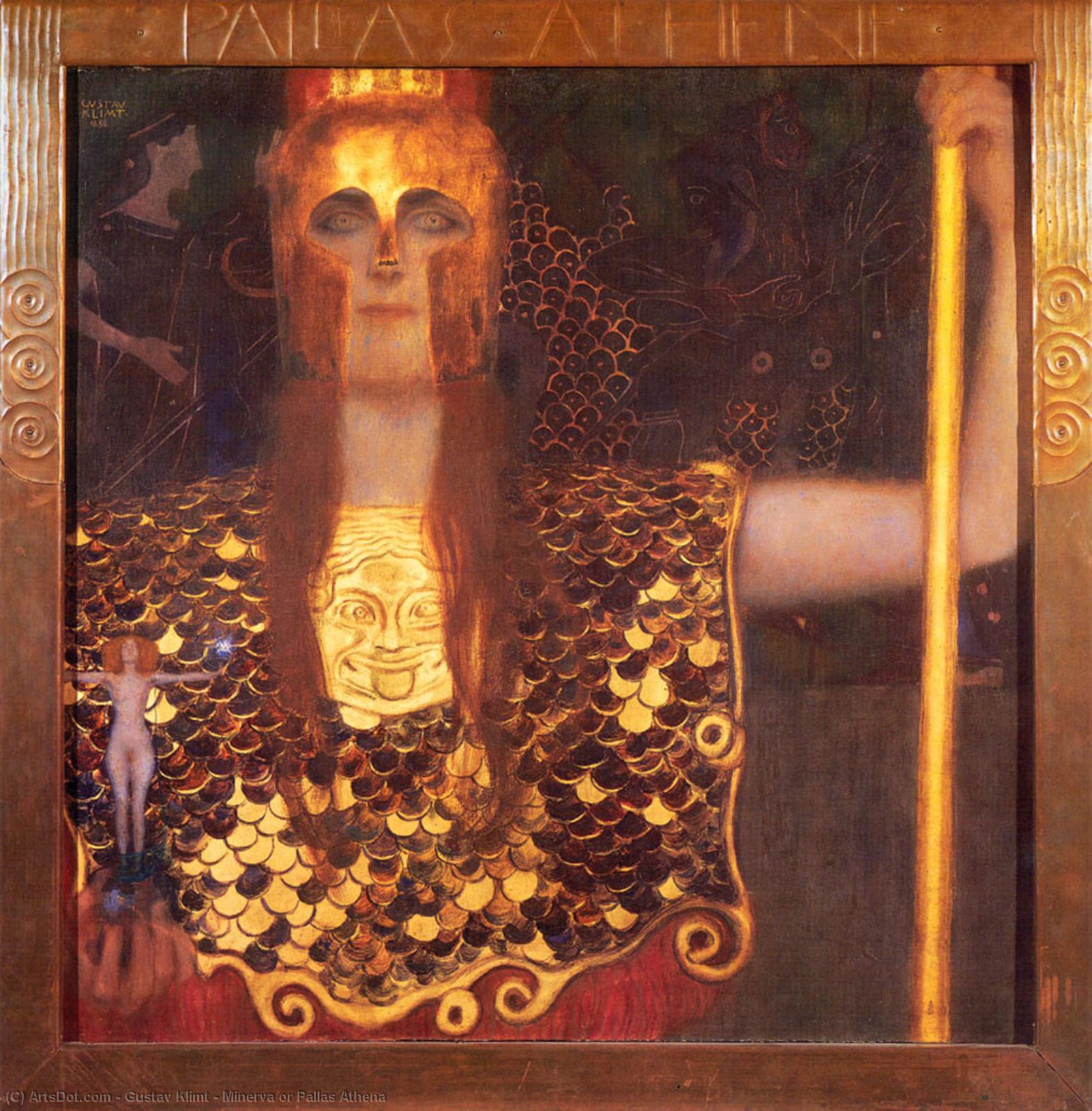
Gustav Klimt's 1898 painting, *‘Minerva or Pallas Athena’*, is a captivating fusion of classical mythology and the burgeoning artistic sensibilities of the Art Nouveau movement. Measuring 75 x 75 cm in oil on canvas, this work isn’t merely a depiction of a Greek goddess; it's Klimt’s unique interpretation of wisdom, power, and feminine strength – filtered through a distinctly modern lens.
Historical Context & The Vienna Secession
Painted during a pivotal moment in Viennese art history, *‘Minerva or Pallas Athena’* reflects the spirit of rebellion against traditional academic styles championed by the Vienna Secession. Klimt was a founding member of this group, which sought to break free from artistic conventions and embrace new forms of expression. The late 19th century saw a renewed interest in classical themes, but artists like Klimt weren't interested in simple imitation. Instead, they used mythology as a springboard for exploring contemporary ideas about beauty, identity, and the human condition.
Subject & Symbolism: Decoding the Goddess
The painting presents a woman embodying either Minerva (Roman) or Pallas Athena (Greek), goddesses revered for their strategic warfare, wisdom, and crafts. She is adorned in attire suggestive of ancient Greek armor, yet Klimt’s treatment is far from literal.
- The Helmet & Staff: These iconic attributes immediately signify authority, intellect, and military prowess.
- Ornate Armor: The meticulously detailed armor, appearing metallic and richly embellished, isn’t simply protective gear; it's a symbol of refined power and perhaps even the burden of responsibility that comes with wisdom.
- Subtle Figure: A smaller, more ethereal figure positioned to Athena’s left hints at followers or supplicants, emphasizing her elevated status.
Artistic Style & Technique: Klimt's Signature Touch
Klimt masterfully employs the hallmarks of Art Nouveau in this work. Flowing lines define the drapery and hair, creating a sense of movement and organic grace. Geometric patterns subtly adorn the goddess’s attire, adding visual interest and complexity. His technique is characterized by:
- Rich Color Palette: The painting is dominated by warm tones – golds, ochres, and reds – evoking a sense of opulence and timelessness.
- Textural Depth: Klimt’s skillful brushwork creates a palpable texture, particularly in the rendering of the armor and fabrics.
- Flattened Perspective: A deliberate choice that prioritizes decorative impact over realistic spatial representation, typical of Symbolist aesthetics.
Emotional Impact & Modern Resonance
*‘Minerva or Pallas Athena’* evokes a sense of grandeur and enigmatic power. The goddess isn't presented as a distant, untouchable figure; she possesses a quiet strength and contemplative aura. Klimt doesn’t simply depict a mythological character – he invites us to contemplate the enduring qualities of wisdom, courage, and feminine authority. This painting continues to resonate with modern audiences because it speaks to universal themes that transcend time and culture. It's a piece that can inspire contemplation, add sophistication to any interior space, or serve as a powerful statement within an art collection.