Introduction to the Artist and Painting
Gustav Klimt, an Austrian symbolist painter, is renowned for his focus on the female form and his distinct style. His painting,
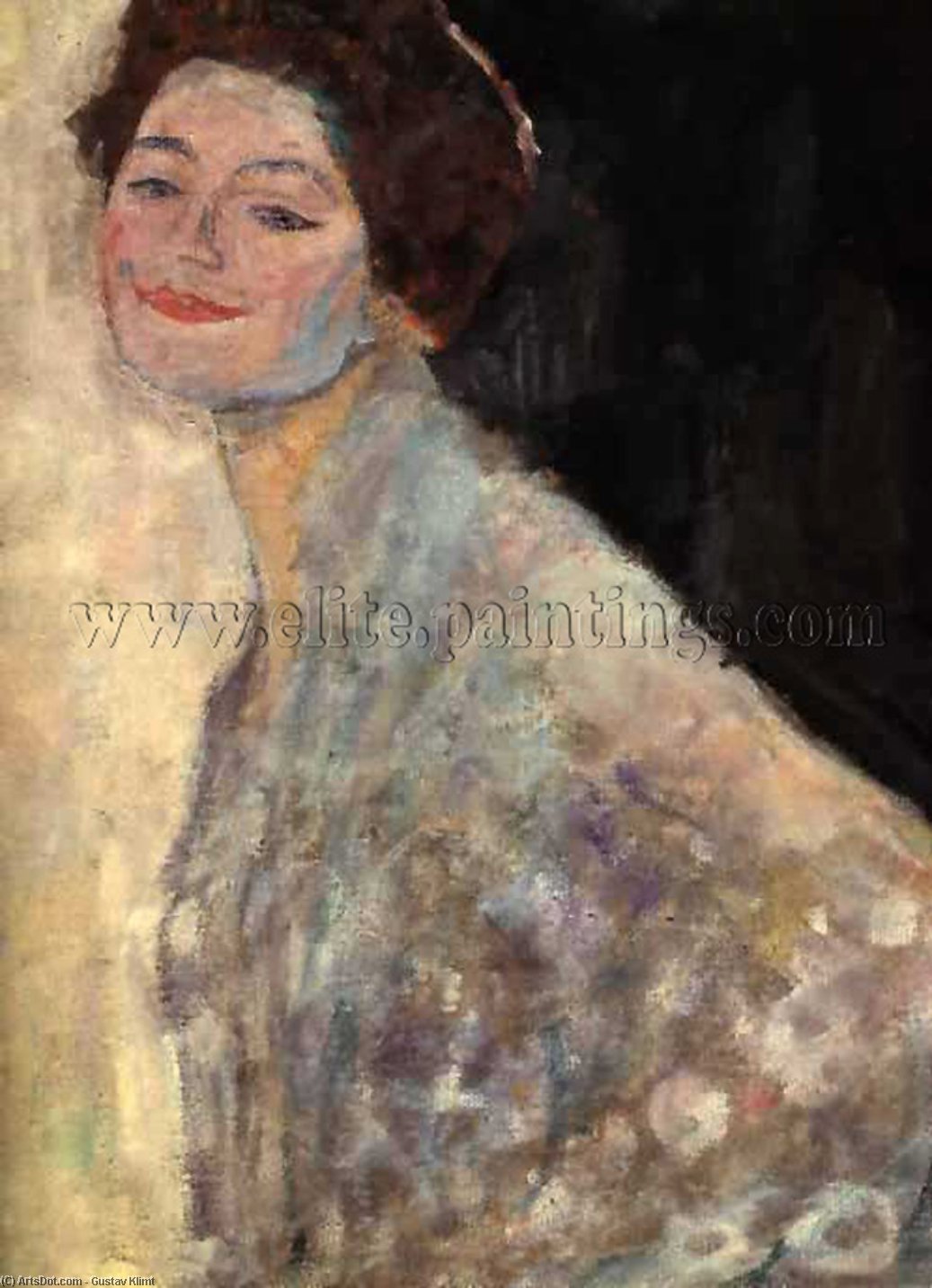
Portrait of a Lady in White, created in 1917, is an unfinished oil painting that showcases his unique technique and artistic vision. This masterpiece belongs to the symbolism style, characterized by the use of symbols and mythology to convey complex ideas and emotions.
The Painting's Significance
The
Portrait of a Lady in White features a woman dressed in white, with a mysterious and enigmatic expression on her face. The painting is a perfect example of the symbolism style, which emphasizes mood, atmosphere, and the exploration of the unconscious mind.
Klimt's use of gold leaf and intricate patterns adds to the painting's allure and mystique.
Artistic Style and Influences
Gustav Klimt's artistic development can be traced through his major paintings, which represent a chronological look at some of his main pictorial production. His early works were primarily decorative, but as he began to develop a more personal style, his work became more controversial. The
Portrait of a Lady in White is an excellent example of his unique style, which blends elements of Art Nouveau and symbolism.
Relevant Resources
For more information on
Gustav Klimt and his works, visit
/art/list/?Filter=6E3TDF-Gustave-Klimt-Portrait-of-a-Lady-in-White(unfinished) or
https://en.wikipedia.org/wiki/Gustav_Klimt. To explore more of Klimt's paintings, including Fulfillment1 and
Dame mit Cape, visit
https://ArtsDot.com/@/Gustave-Klimt.
Handmade oil painting reproductions of
Gustav Klimt's works, including the
Portrait of a Lady in White, are available at
https://ArtsDot.com.
The
Museum Menard Art Museum is another notable institution that features an impressive collection of art, including works by
Gustav Klimt. For more information, visit
/art/list/?Filter=A@D3CFYP-The-Museum-Menard-Art-Museum-(Japan).