Discover Gustav Klimt (1862-1918), the Austrian Symbolist master of Art Nouveau! Explore his iconic 'Golden Phase,' sensual portraits, and masterpieces like *The Kiss*. Learn about his life, influences & legacy.
Discover Peleș National Museum, a stunning Neo-Renaissance castle nestled in Romania's Carpathian Mountains! Explore royal history, opulent architecture & impressive art collections of King Carol I and Queen Elizabeth.
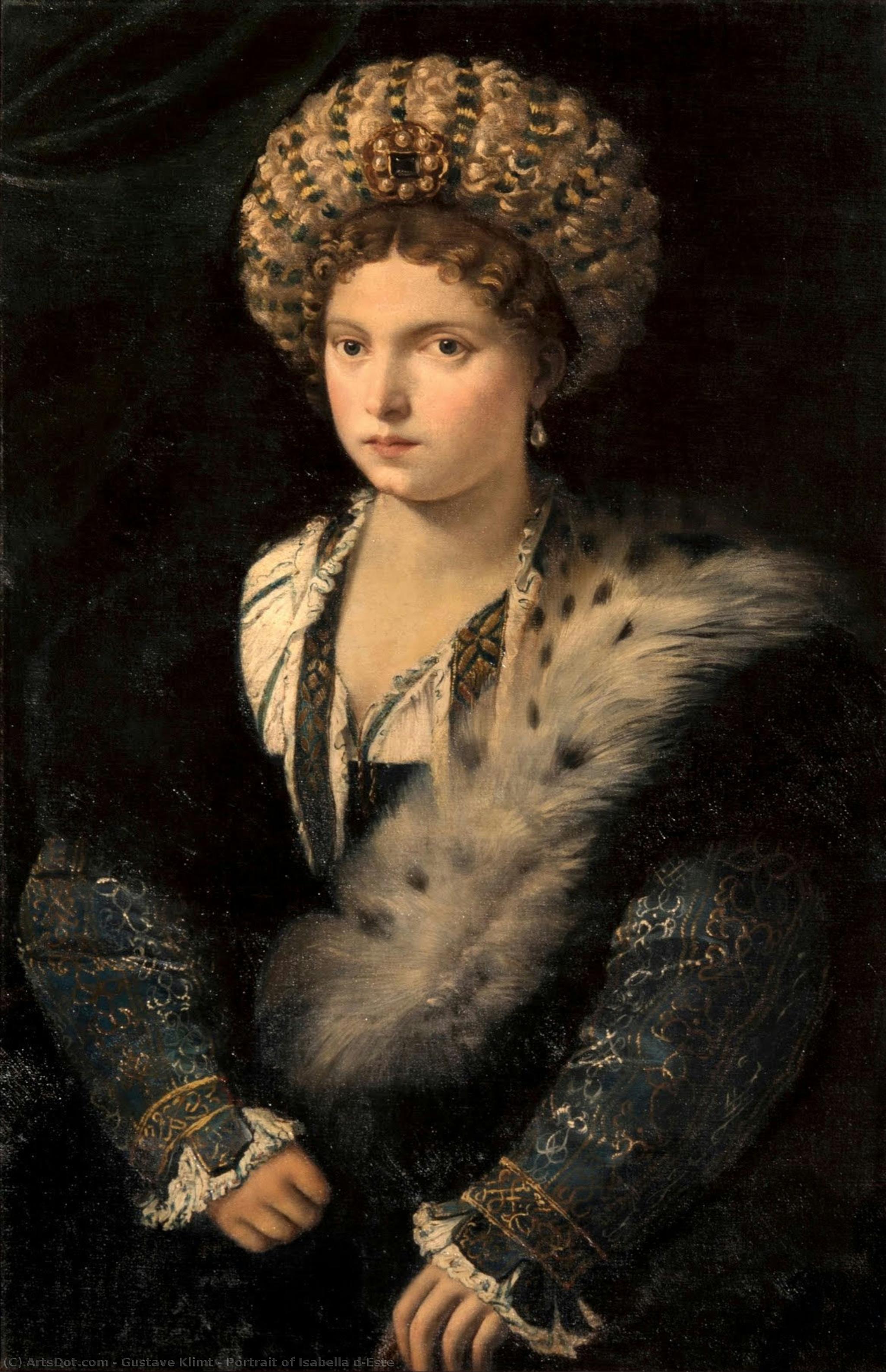
A Glimpse into Habsburg Splendor: Gustav Klimt’s Portrait of Isabella d’Este
The painting “Portrait of Isabella d’Este,” executed in 1884 by Gustav Klimt, transcends mere representation; it embodies the opulent spirit of Renaissance Italy and captures a profound psychological portrait of one of its most influential figures. Commissioned by Isabella d’Este herself—the Marquise of Mantua, arguably Europe's foremost patroness of the arts—this artwork isn’t simply a likeness but an elaborate visual meditation on power, beauty, and intellectual curiosity. Klimt’s masterful blend of Symbolism and Art Nouveau techniques elevates it beyond traditional portraiture into a realm of evocative artistry.
- Subject Matter & Composition: Isabella d’Este, a woman renowned for her discerning taste and unwavering dedication to humanist ideals, sits serenely amidst an intricate floral arrangement—a deliberate choice reflecting the Renaissance fascination with idealized femininity and nature's nurturing influence. The positioning of the figures is carefully considered, creating a dynamic balance between stillness and subtle movement, mirroring the complexities of Isabella’s character.
- Style & Technique: Klimt’s signature style—characterized by shimmering gold leaf and decorative patterning—is immediately apparent. He employs cloisonné enamel technique, painstakingly layering thin sheets of metal onto a substrate to achieve remarkable textural depth and luminosity. This meticulous process lends the portrait an ethereal quality, mirroring Isabella's noble status and conveying a sense of timeless elegance.
Historical Context: Mantuan Magnanimity & Artistic Patronage
Isabella d’Este’s reign marked a golden age for Mantua. She skillfully navigated political alliances while fostering an unparalleled environment for artistic innovation. Recognizing the transformative power of art, she amassed an extraordinary collection—spanning paintings, sculptures, textiles, and decorative arts—establishing Mantua as a beacon of cultural prestige throughout Europe. Klimt's portrait directly reflects this context; it’s a testament to Isabella’s commitment to elevating her court through aesthetic excellence.
- Symbolism: The floral motifs surrounding Isabella are laden with symbolic significance, representing fertility, purity, and divine grace—themes central to Renaissance humanist thought. Furthermore, the elaborate wig symbolizes status and sophistication, highlighting Isabella’s elevated position within Venetian society. Klimt subtly incorporates these symbols into the composition, enriching its narrative dimension.
- Emotional Impact: Despite her regal demeanor, there's an undeniable vulnerability conveyed in Isabella’s gaze—a hint of melancholy perhaps reflecting the burdens of leadership and the awareness of mortality. Klimt skillfully captures this emotional nuance, inviting viewers to contemplate the inner life of a woman who shaped the artistic landscape of her time.
A Legacy Enduring Through Reproduction
Today, reproductions of “Portrait of Isabella d’Este” continue to captivate audiences worldwide. ArtsDot offers exceptionally detailed prints that faithfully recreate Klimt's groundbreaking technique—allowing collectors and interior designers alike to experience the splendor of Mantuan art firsthand. By investing in a high-quality reproduction, one can appreciate not only the visual beauty but also the profound intellectual and cultural heritage enshrined within this iconic masterpiece.