Discover Gustav Klimt (1862-1918), the Austrian Symbolist master of Art Nouveau! Explore his iconic 'Golden Phase,' sensual portraits, and masterpieces like *The Kiss*. Learn about his life, influences & legacy.
Discover Peleș National Museum, a stunning Neo-Renaissance castle nestled in Romania's Carpathian Mountains! Explore royal history, opulent architecture & impressive art collections of King Carol I and Queen Elizabeth.
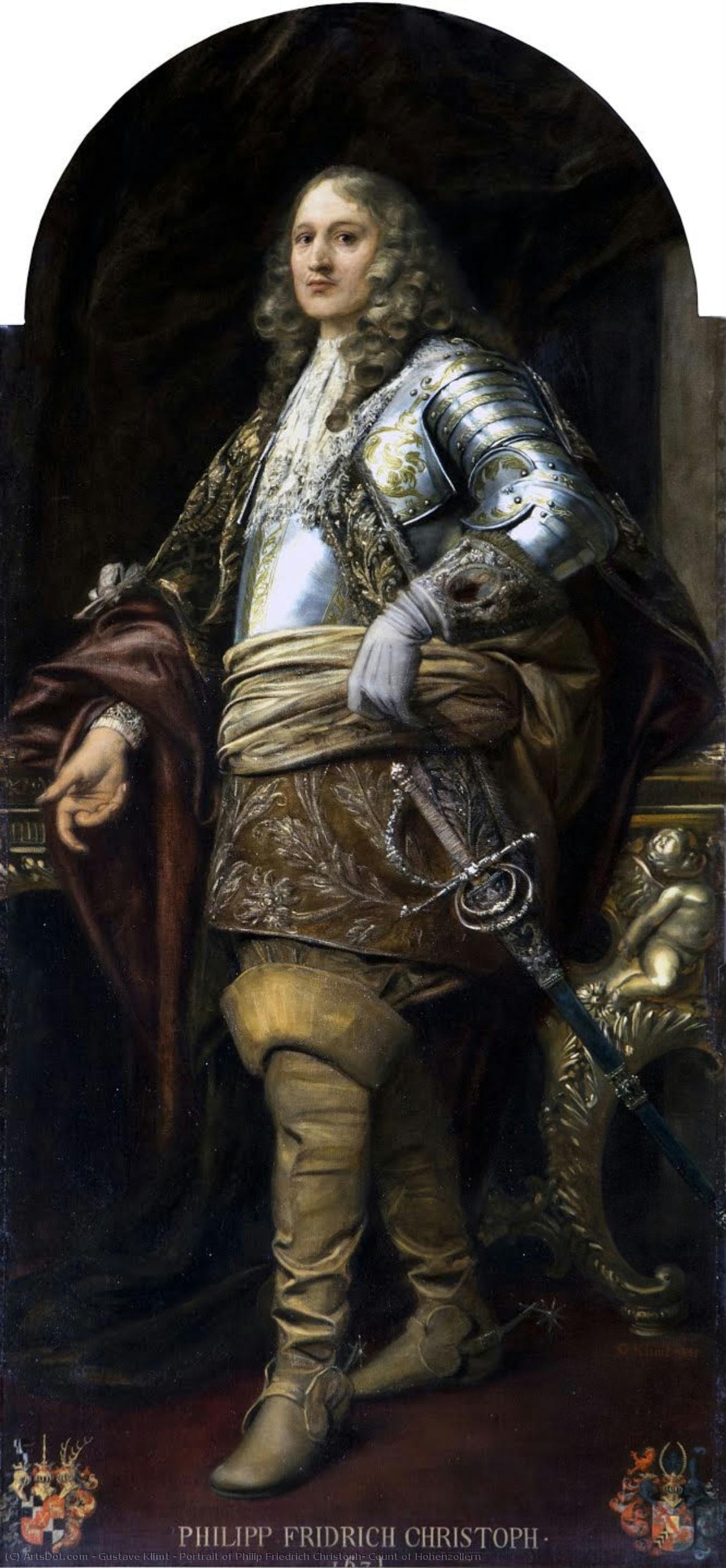
Portrait of Philip Friedrich Christoph, Count of Hohenzollern – A Baroque Masterpiece Illuminated
The artwork before us is undeniably a testament to the grandeur and sophistication of the Baroque period—specifically, Gustav Klimt’s meticulously crafted depiction of Philip Friedrich Christoph, Count of Hohenzollern. More than just a portrait, it embodies an entire aesthetic vision, reflecting the era's fascination with opulent decoration and dramatic visual storytelling. The painting itself is executed in oil on canvas, utilizing techniques characteristic of Klimt’s masterful command of color and texture—a hallmark of his Secessionist style.
- Subject Matter: Klimt’s focus centers squarely on the Count himself, presented in a commanding three-quarter pose that exudes confidence and nobility. His gaze is direct, conveying an aura of authority and reinforcing his status as a prominent figure within Prussian aristocracy.
- Architectural Framing: The composition cleverly incorporates an arched architectural setting—likely inspired by Venetian palaces—which serves not only to define the space but also to heighten the sense of depth and grandeur. This framing device underscores the importance of hierarchy and reinforces the Count’s position as central to the scene.
- Stylistic Elements: Klimt's signature style is immediately recognizable through his masterful use of chiaroscuro—the dramatic interplay between light and shadow—creating a palpable sense of theatricality. Lines are employed extensively to delineate the folds of clothing, armor details, and architectural contours, contributing to an overall impression of meticulous precision.
Technique & Material Considerations
Klimt’s technique demonstrates unparalleled skill in manipulating oil paints—a painstaking process involving blending, layering, and glazing to achieve rich hues and subtle gradations. The artist's dedication to capturing the nuances of light and texture is evident throughout the canvas. Notably, Klimt skillfully renders the fabric of the Count’s coat, boots, and helmet with remarkable realism, conveying a tactile quality that invites contemplation. Furthermore, the color palette leans towards earthy tones accented by flashes of gold and crimson—colors traditionally associated with royalty and spiritual enlightenment—reflecting the Baroque preoccupation with symbolism and visual impact. The use of gold leaf adds an element of prestige and reinforces the portrait’s opulent character.
Symbolism & Contextual Significance
Beyond its aesthetic beauty, ‘Portrait of Philip Friedrich Christoph’ carries profound symbolic weight. It represents not merely likeness but also aspiration—the Count's posture and attire embody ideals of military prowess and aristocratic dignity. The arched architectural backdrop symbolizes stability and power, mirroring the Count’s position within the Hohenzollern dynasty. Klimt’s work speaks to a broader cultural context marked by an interest in portraying noble figures as embodiments of virtue and strength—a tradition rooted in Renaissance humanist thought and flourishing during the Baroque period.
Emotional Impact & Artistic Legacy
Ultimately, Klimt's portrait transcends mere representation; it evokes a feeling of solemn grandeur and contemplative admiration. The artist’s meticulous attention to detail invites viewers to immerse themselves in the scene—to appreciate not only its visual splendor but also its underlying message about power, lineage, and artistic excellence. Gustav Klimt’s ‘Portrait of Philip Friedrich Christoph,’ Count of Hohenzollern remains a captivating exemplar of Baroque artistry – a timeless masterpiece that continues to inspire awe and fascination centuries later.